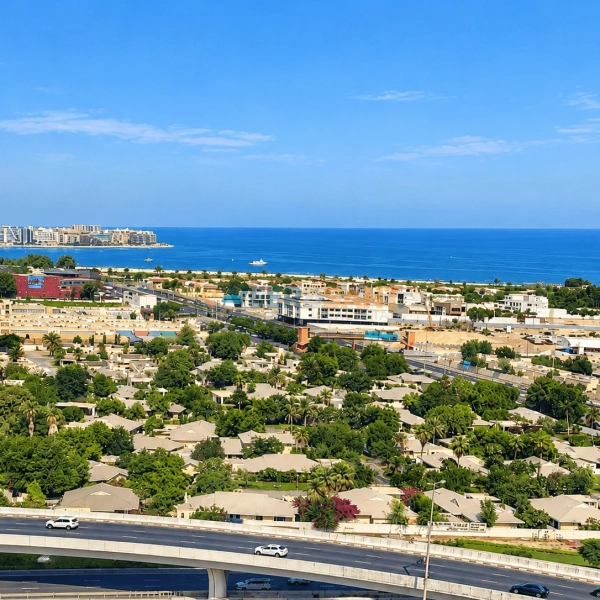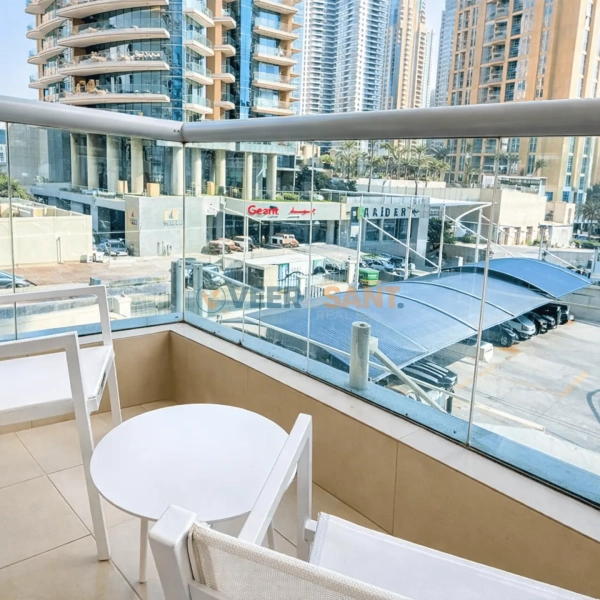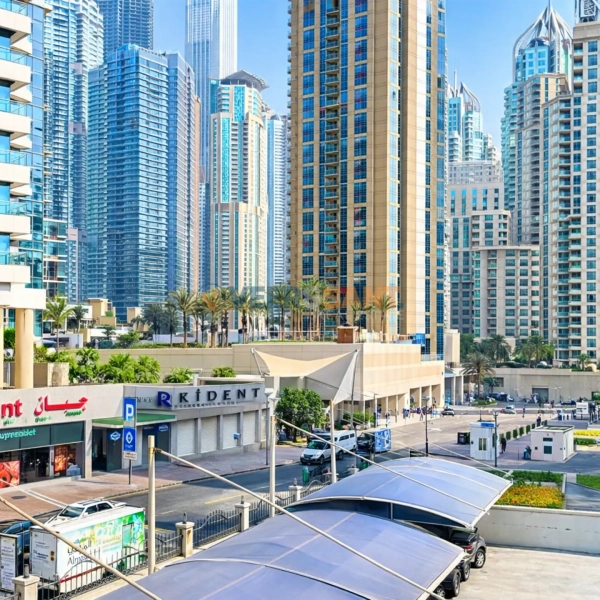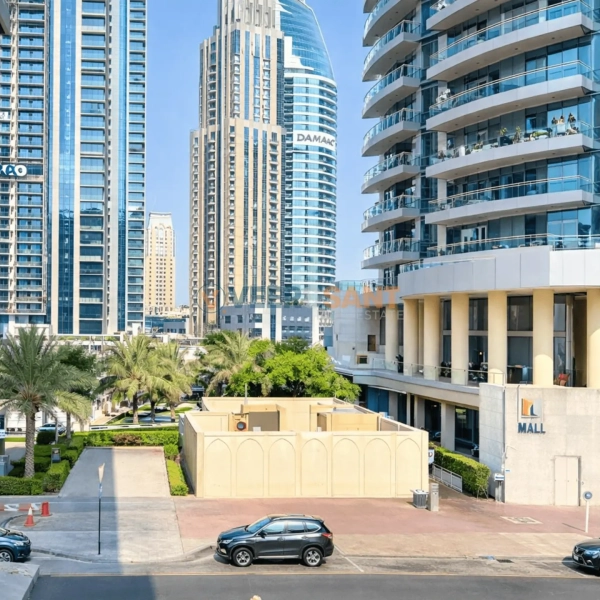

Dubai closed 2025 with the strongest year in its real estate history: 214,912 sales transactions worth AED 682.5 billion, an 18.8% increase in volume and 30.6% jump in value compared to 2024, according to Dubai Land Department data. The total value of all real estate transactions including mortgages and gifts reached AED 919 billion across 275,442 deals.
But record-breaking markets attract first-time buyers who need to understand not just how to buy, but how they are protected if something goes wrong. This guide explains the complete legal framework that safeguards your investment in Dubai, from escrow accounts to dispute resolution channels, based on verified laws and current regulations as of March 2026.
1. The Foundation: How Your Money Is Protected from Day One
Before any dispute even arises, Dubai’s regulatory framework provides multiple layers of financial protection for property buyers, particularly in the off-plan market.
1.1 The Escrow Account System
The escrow system, established under Law No. 8 of 2007, is the cornerstone of buyer protection in Dubai. Every off-plan project must maintain a dedicated, project-specific escrow account with a bank approved by the Real Estate Regulatory Agency (RERA). Buyer payments go directly into this account not the developer’s general business account. Developers can only access these funds after specific construction milestones are independently verified and approved by RERA.
If a developer fails to deliver, RERA can freeze withdrawals, impose fines, suspend the project entirely, or in extreme cases, revoke the developer’s licence and reassign the development to new management. If a project is cancelled, escrow funds are used either to complete the project under new management or to refund buyers.
Key Escrow Laws: Law No. 8 of 2007 (Escrow Account Law), Law No. 13 of 2017 (Real Estate Sector Regulation), and Law No. 19 of 2017 (Contract Cancellation Law).
1.2 Oqood Registration
Every off-plan purchase must be registered through the Oqood system the interim property register managed by the Dubai Land Department (DLD). This prevents double-selling, establishes your legal claim to the unit, and creates an official record of your transaction before the title deed is issued at handover.
1.3 RERA Developer Oversight
Before a developer can legally sell off-plan units, they must hold a valid RERA licence, register the project with DLD, and meet one of three conditions: complete 20% of construction, deposit 20% of construction value in cash to the escrow account, or submit a bank guarantee equal to 20% of the construction value. RERA mandates detailed disclosure of project information including approved designs, delivery timelines, payment plans, and verified land ownership.

2. When Things Go Wrong: Your Dispute Resolution Channels
Despite strong regulatory frameworks, disputes can still arise delayed handovers, quality defects, contractual disagreements, or rent-related conflicts. Dubai provides multiple specialised channels depending on the nature of your issue.
2.1 RERA Complaints (Developer & Broker Issues)
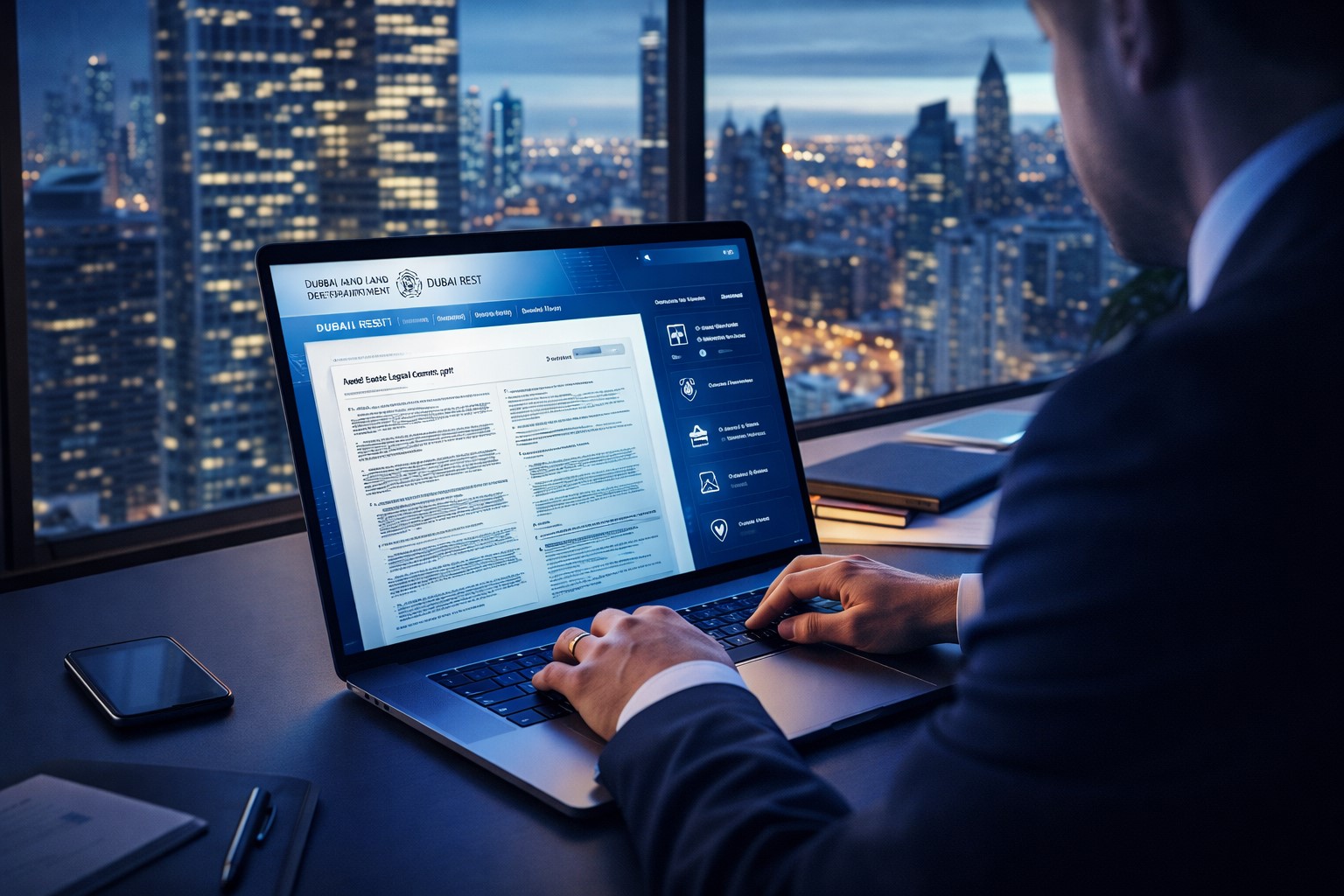
If your dispute involves a developer violation, broker misconduct, advertising misrepresentation, or non-compliance with project obligations, the correct path is to file a complaint through DLD/RERA channels. In 2026, this is primarily done through the Dubai REST app or the DLD complaint portal (accessed via the “04” call centre). RERA typically issues decisions within 60 days, which may include ordering supervised project completion, compensation, rescission of the contract, or developer penalties.
2.2 Rental Disputes Settlement Centre (RDSC)
For any landlord-tenant conflict rent increases, eviction notices, deposit refunds, maintenance disputes, or lease violations the Rental Disputes Settlement Centre (formerly known as the Rental Disputes Centre) is the exclusive judicial authority. The RDSC operates as a specialised court system with its own judges and procedures. Cases typically cost 3.5% of the annual rent in filing fees. The RDSC offers both mediation and binding judicial decisions, with an appeal process available.
2.3 The Amicable Settlement Centre (ASC) at DLD
The DLD’s Amicable Settlement Centre provides mediation services for real estate disputes before they reach formal courts. ASC mediators have access to DLD databases, which allows them to verify property records, project registrations, developer compliance, and ownership history efficiently. This is often the most cost-effective first step for resolving disputes outside the rental context.
2.4 Dubai Courts (Property Court)
For complex cases that cannot be resolved through RERA, the RDSC, or mediation, parties may escalate to the Dubai Property Court (part of Dubai Courts). The court system operates at three levels: Court of First Instance, Court of Appeal, and Court of Cassation. This full process can take up to two years. A judge may appoint real estate experts to assist with technical matters. The maximum court filing fee at the Court of First Instance is AED 40,000.When Things Go Wrong: Your Dispute Resolution Channels
2.5 Arbitration (DIAC)
High-value or commercially complex disputes may be resolved through the Dubai International Arbitration Centre (DIAC) or DIFC-LCIA Arbitration Centre, depending on the contractual forum clause. A 2025 Dubai Court of Cassation decision confirmed that arbitral tribunals in UAE-seated arbitrations possess exclusive authority to order interim measures, eliminating a loophole previously used to delay proceedings.

3. The 2026 Housing Dispute Law: What It Actually Covers
On 21 July 2025, Sheikh Mohammed bin Rashid Al Maktoum issued a new law focused on resolving disputes related to the execution of citizen housing building contracts in Dubai. This law took effect on 1 January 2026.
3.1 What the Law Does
The law establishes a specialised branch within Dubai Courts’ Centre for Amicable Settlement of Disputes, specifically for housing construction contract disputes. It introduces a structured, time-bound process:
- Mandatory Mediation: Every dispute must begin with mediation, which must be completed within 20 days (extendable by mutual agreement for another 20 days).
- Specialist Committee: If mediation fails, the case moves to a committee comprising one judge and two construction industry specialists, who must issue a decision within 30 days.
- Appeal: If either party disagrees with the committee’s decision, they may appeal to the Court of First Instance.
3.2 Critical Scope Limitation
Important: This law specifically applies to citizen housing construction contracts disputes related to housing built for UAE nationals. Legal analysis from firms including Beale & Co and Lexology confirms that housing contracts not involving UAE nationals remain outside the scope of this particular law. International investors are protected through the broader framework of RERA regulations, escrow laws, and the existing court system described in Section 2 above.
4. Quick Reference: Which Channel for Which Dispute
| Dispute Type | Resolution Channel | Key Details |
| Off-plan delays, developer breach, broker misconduct | RERA / DLD Complaint (via Dubai REST app or 04 portal) | RERA typically responds within 60 days; can order completion, compensation, or rescission |
| Rent increases, eviction, deposit disputes, lease violations | Rental Disputes Settlement Centre (RDSC) | Filing fee: 3.5% of annual rent; mediation + binding judgments available |
| General real estate disagreements (non-rental) | Amicable Settlement Centre (ASC) at DLD | Mediators with DLD database access; cost-effective first step |
| UAE citizen housing construction disputes | New 2026 Specialised Mediation Branch (Dubai Courts) | 20-day mediation → 30-day committee → Court of First Instance appeal |
| Complex ownership, fraud, or contractual breaches | Dubai Property Court | Three-level system; filing fee up to AED 40,000; full process can take up to 2 years |
| High-value commercial disputes | DIAC or DIFC-LCIA Arbitration | Binding arbitration; 2025 ruling strengthened enforcement of interim measures |
5. The 2025–2026 Regulatory Updates That Matter
Beyond the new housing dispute law, several regulatory developments strengthen the investor protection landscape:
Smart Rental Index (Launched January 2025): An AI-powered system that rates every residential building in Dubai on a one-to-five-star scale. This data-driven benchmark determines permissible rent increase thresholds and has significantly reduced rent-related disputes by removing guesswork from pricing.
Enhanced Escrow Monitoring: Developers are now required to provide detailed progress reports, reserve larger funds, and tie escrow releases to construction audits. The DLD is rolling out blockchain-based transaction tracking to make escrow flows fully traceable and tamper-proof.
Digital Transformation: The Dubai REST app now provides real-time access to project progress, ownership verification, title deed status, and complaint filing. Automated title deed issuance and smart contracts are reducing processing times.
RERA 2026 Compliance Updates: Stricter broker licensing enforcement, mandatory verified property listings (unauthorised or inflated listings face penalties), and expanded Ejari digital registration requirements for all rental contracts.
Arbitration Reform (2025): The Dubai Court of Cassation confirmed that arbitral tribunals possess exclusive authority over interim measures in UAE-seated arbitrations, and resolved conflicting interpretations of award signature requirements both changes reduce cost and accelerate commercial dispute resolution.

6. Dubai Real Estate Market: The Numbers Behind the Confidence
The strength of Dubai’s regulatory framework is reflected in market performance. Here are the verified figures that demonstrate investor confidence:
| Metric (2025 Full Year) | Figure |
| Total sales transactions | 214,912 (+18.8% YoY) |
| Total sales value | AED 682.5 billion (+30.6% YoY) |
| Total real estate transactions (inc. mortgages, gifts) | 275,442 worth AED 919 billion |
| New investors (H1 2025) | 59,075 individuals investing AED 157 billion |
| Off-plan share of residential sales | ~65–72% of transactions |
| Cash transactions | ~86% of total volume |
| Q4 2025 sales (record quarter) | AED 187.5 billion |
| GDP growth forecast (UAE, 2026) | 5.0% (IMF estimate) |
| Apartment rental yields (mid-market, 2026) | 8–9.5% gross |
Sources: Dubai Land Department (DLD), DXB Interact, Cavendish Maxwell H1 2025 Report, Knight Frank Dubai Residential Review, Gulf News/Emarat Al Youm (Jan 2026), IMF 2025 Article IV Report, Reliant Surveyors (Jan 2026).
7. Practical Steps: Protecting Yourself as an Investor
Before You Buy
- Verify that the developer holds a valid RERA licence and that the project is registered with DLD. Use the Dubai REST app or DLD’s online portal to confirm.
- Confirm the project’s escrow account number appears on RERA’s database. Every payment should go directly into this account never to a sales agent or third party.
- Ensure your purchase is registered through the Oqood system for off-plan properties.
- Have a qualified lawyer review your Sales and Purchase Agreement (SPA), paying particular attention to completion dates, delay penalties, force majeure clauses, and dispute forum selection.
During Construction
- Monitor construction progress through the Dubai REST app and official DLD channels.
- Keep all communications in writing emails, WhatsApp messages, and official letters. These form your evidence base if a dispute arises.
- Do not accept revised payment plans or extended delivery promises from a developer without legal review doing so may inadvertently waive your rights.
If a Dispute Arises
- Choose the correct channel on day one (see Section 4). Filing in the wrong forum delays resolution.
- Act promptly. Delay weakens your legal position and may strengthen the developer’s defence.
- A lawyer is not mandatory for most standard disputes, but is strongly recommended for complex cases or high-value investments.
- You do not need to be physically present in Dubai for most RERA complaints or DLD filings. A Power of Attorney allows a lawyer to file on your behalf.
8. Key Laws Governing Dubai Real Estate
| Law | What It Covers |
| Law No. 7 of 2006 | Property registration in Dubai, including freehold and leasehold frameworks |
| Law No. 8 of 2007 | Escrow accounts for real estate development; mandatory project-specific accounts |
| Law No. 26 of 2007 | Landlord-tenant relationships; rent increase rules; eviction conditions |
| Law No. 13 of 2008 (as amended) | Regulation of interim real estate register (Oqood); developer obligations for off-plan sales |
| Law No. 13 of 2017 | Comprehensive regulation of the real estate sector in Dubai |
| Law No. 19 of 2017 | Contract cancellation procedures; caps on developer retention if buyers default |
| Decree No. 33 of 2020 | Specialised judicial body for disputes related to cancelled or stalled projects |
| 2026 Housing Dispute Law | Specialised mediation branch for UAE citizen housing construction contracts; 20-day mediation mandate |
| Federal Law No. 5 of 1985 (Civil Transactions) | Governs contractual obligations, remedies for breach, and compensation across the UAE |
9. Conclusion: Why Dubai Remains One of the Safest Real Estate Markets
Dubai’s property market is not just growing, it is maturing. The combination of mandatory escrow accounts, RERA oversight, specialised dispute resolution channels, and the ongoing digital transformation of the DLD creates one of the most comprehensive investor protection frameworks in the world.
The 2026 housing dispute law adds another layer for citizen housing contracts, while the broader arbitration reforms and enhanced RERA compliance standards benefit all market participants. With apartment yields ranging between 8–9.5% in mid-market areas, a zero income tax environment, and a population approaching 4 million, the structural fundamentals remain firmly in place.
At Veer & Sant, we help international investors navigate this landscape with confidence ensuring your escrow accounts are verified, your contracts are reviewed, and your rights are protected at every stage of the investment journey.
Ready to Invest with Confidence?
Contact our team for a complimentary portfolio review and personalised legal guidance.