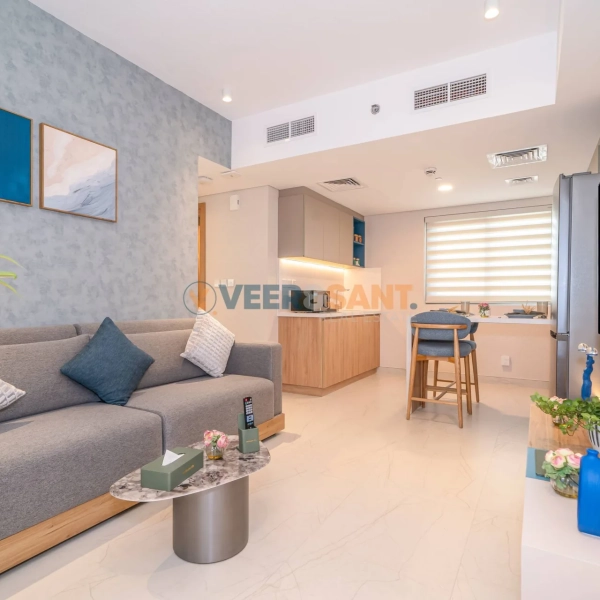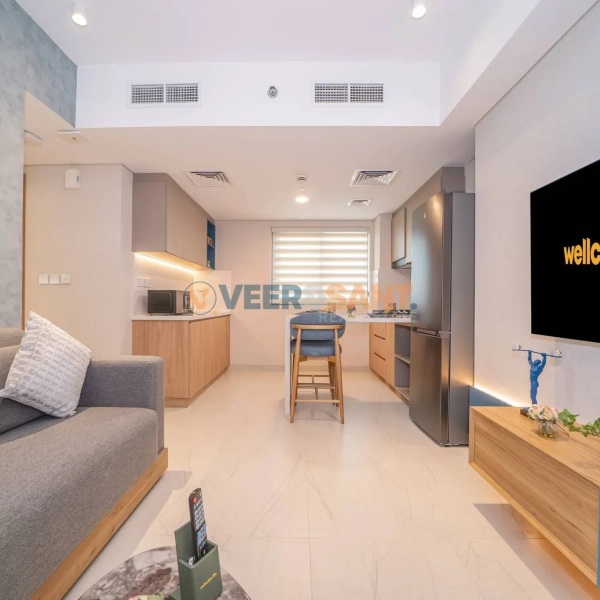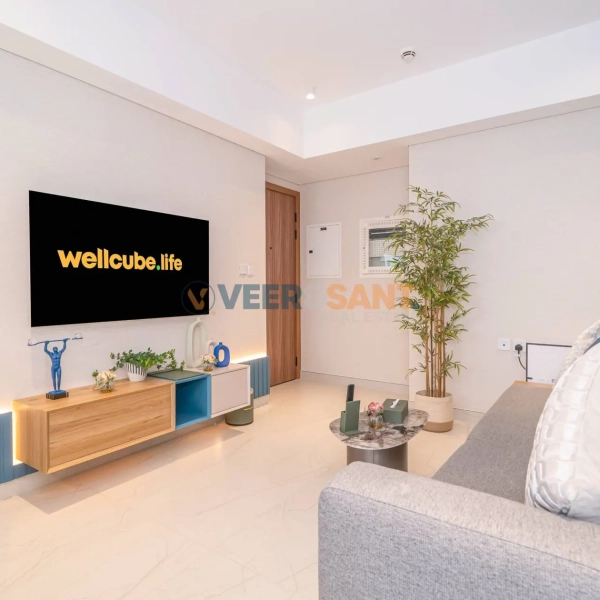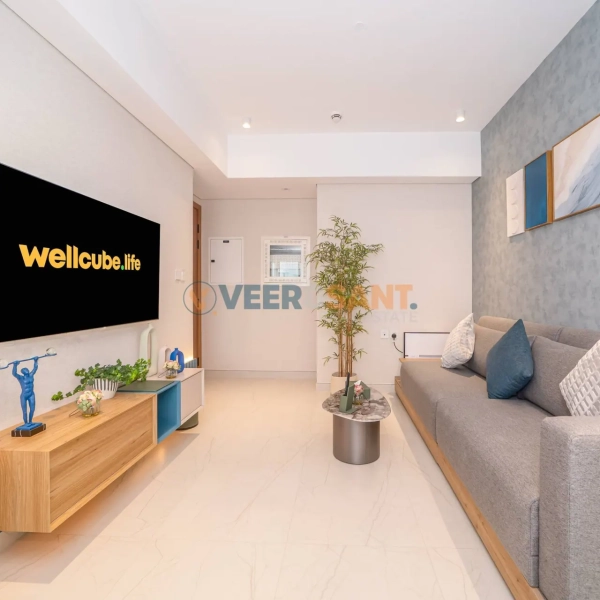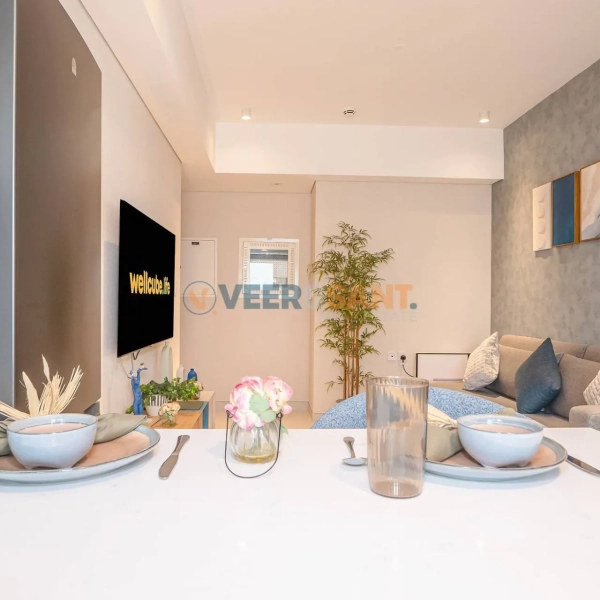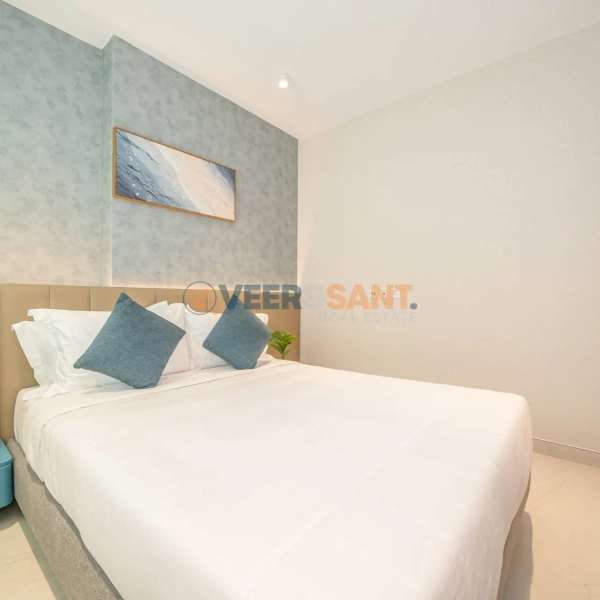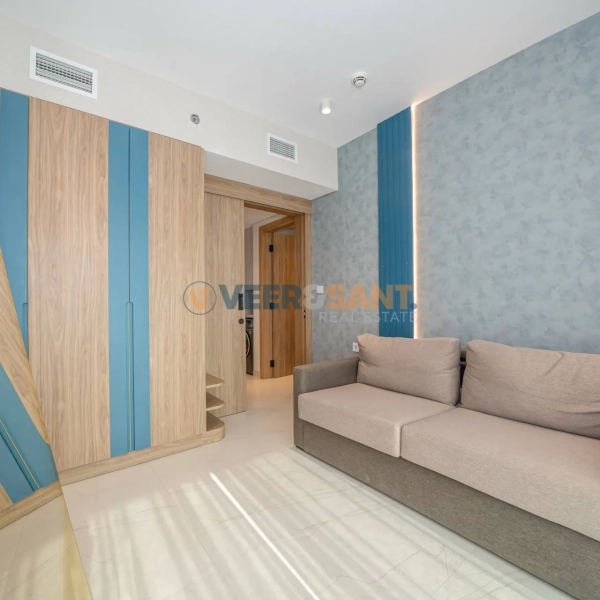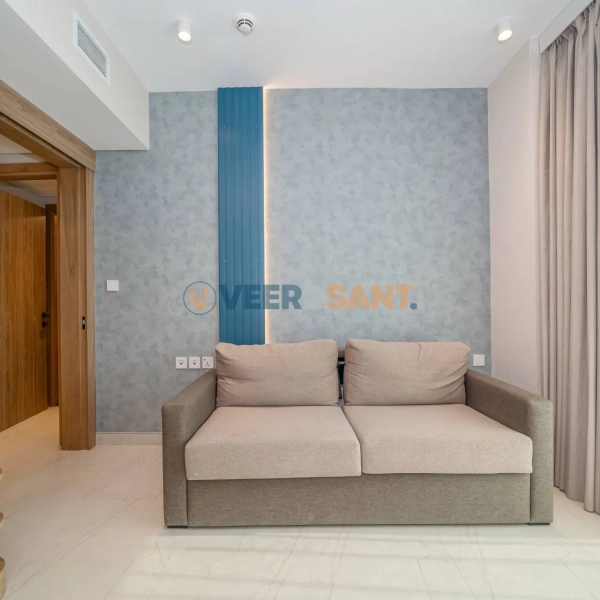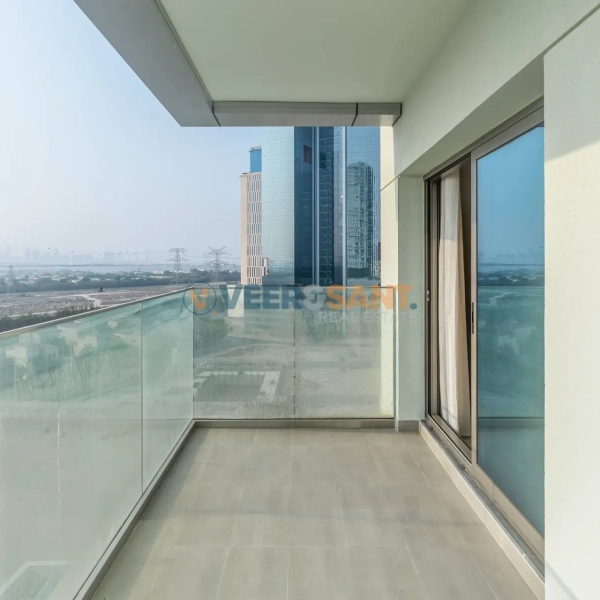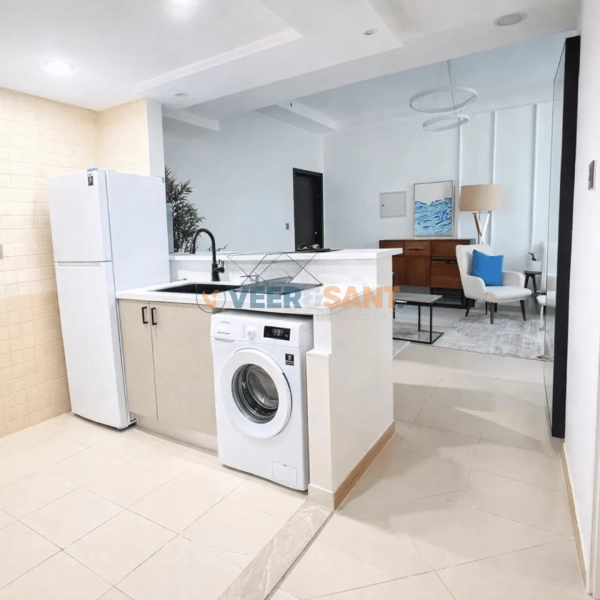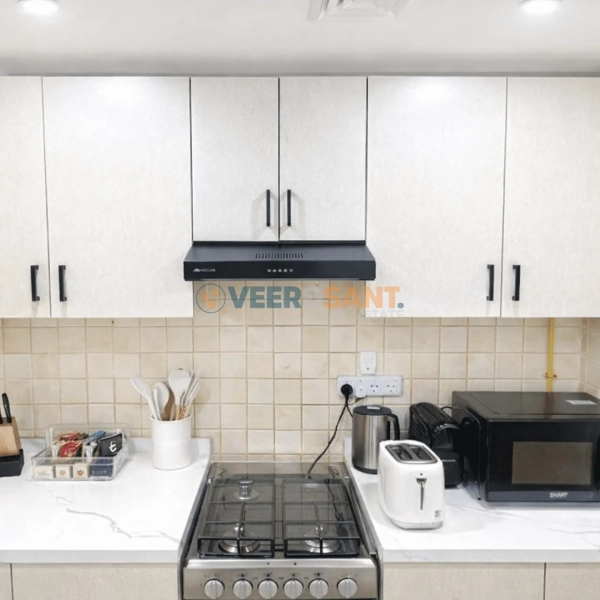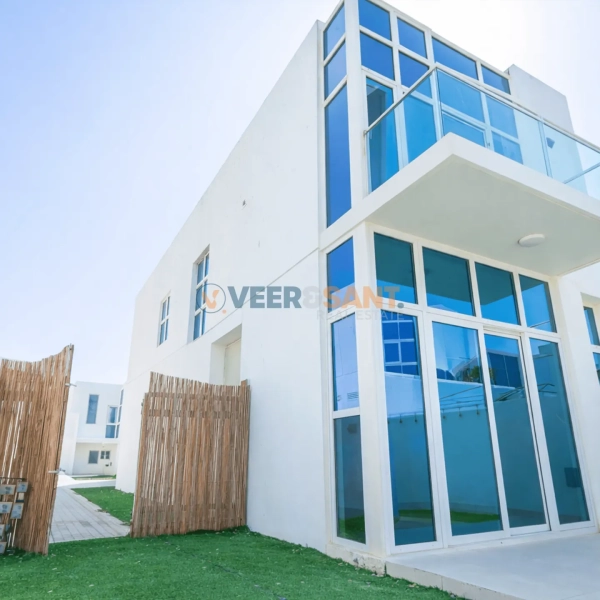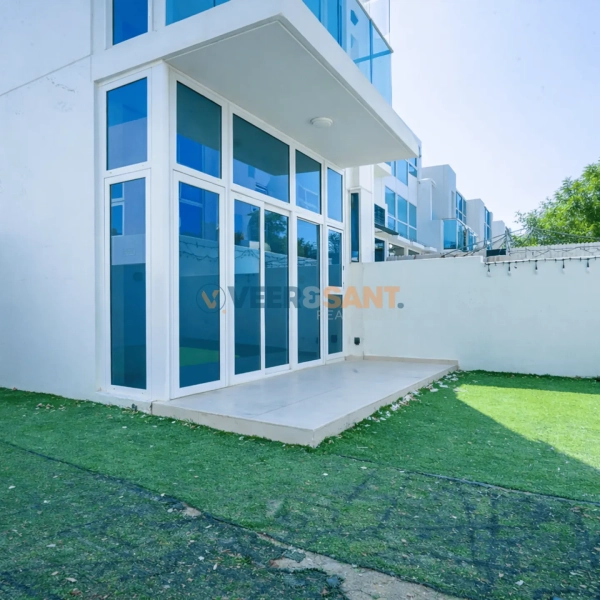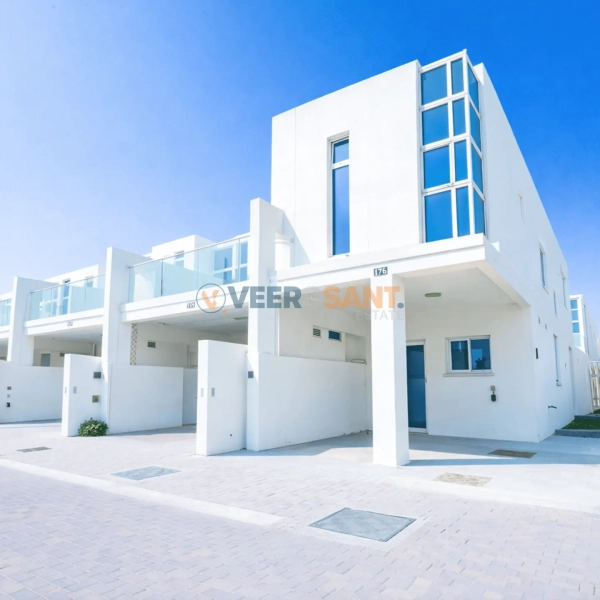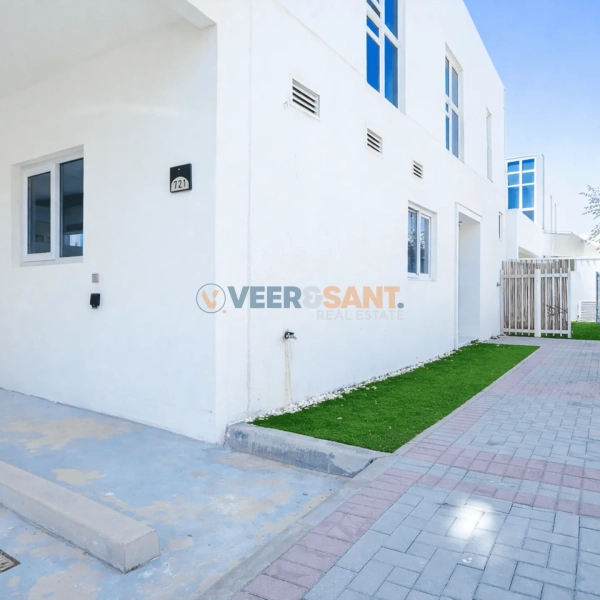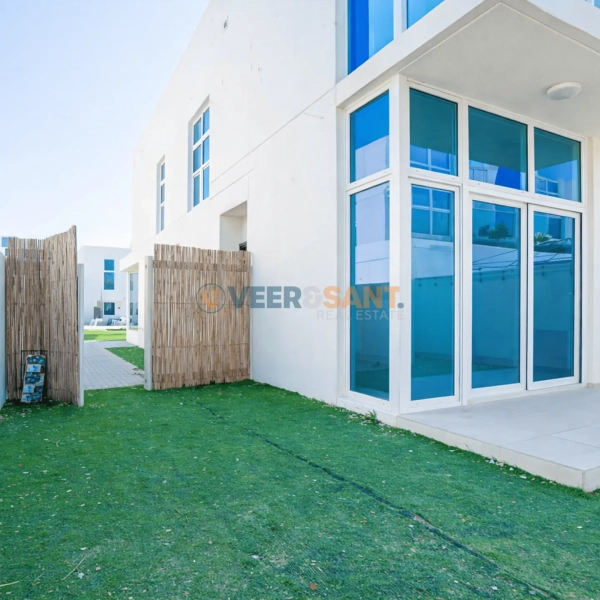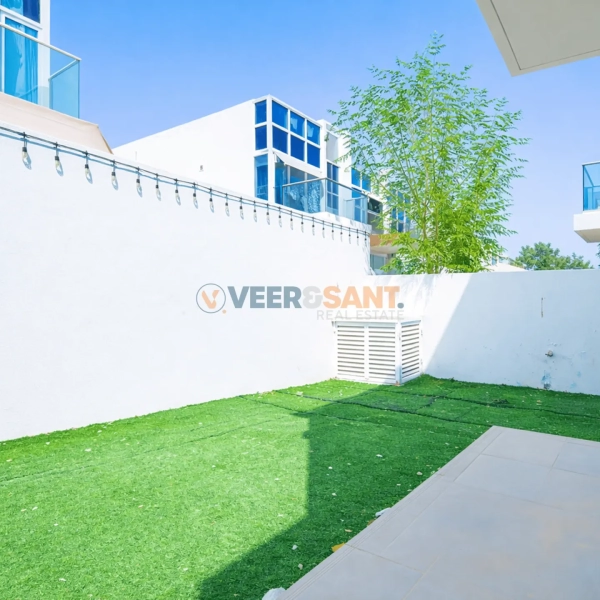

For many expat families living in the UAE, the dream of homeownership often feels like a distant oasis. The common narrative is that you need millions in the bank just to get started. However, as the market evolves, the reality on the ground is shifting significantly. This comprehensive Dubai Mortgage Guide 2026 is designed to show you that if you are currently renting a villa or apartment, you are likely already “paying for a mortgage”, it just happens to be your landlord’s, not yours.
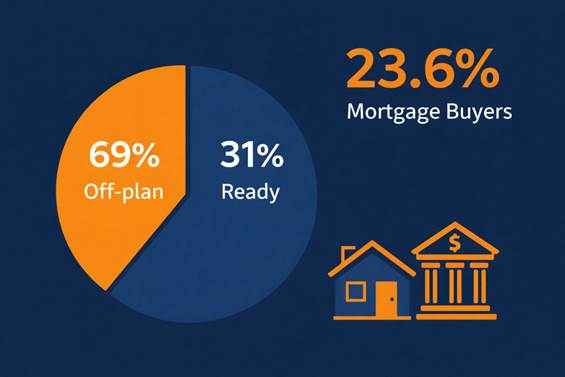
In 2025, Dubai’s real estate market shattered records with 686.8 billion AED in total sales. While 69% of buyers flocked to off-plan payment plans, a significant 31% chose ready property mortgages. The most striking data point? Nearly 23.6% of all buyers utilized bank financing to secure their homes, with an average mortgage value of 3.5 million AED.
This guide will deconstruct the “deposit myths” and show you how families are navigating upfront cash requirements to secure their future in the city of gold.
1. Navigating the 80/20 Rule: Insights from the Dubai Mortgage Guide 2026
The biggest hurdle for first-time buyers is the perceived initial outlay. In the UAE, the Central Bank mandates a specific LTV ratio (Loan-to-Value) for expats. For your first property purchase under 5 million AED, you generally need a 20% down payment.
However, the “myth” is that this must always be cold, hard cash saved over decades.
Managing Down Payment Requirements via Dubai Mortgage Guide 2026
Families are becoming more creative in 2026 to meet down payment requirements. Strategies include:
- Gifted Deposits: Banks in the UAE increasingly accept deposits gifted from immediate family members, provided there is a legal gift letter.
- Developer Incentives: Many top-tier developers like Emaar, DAMAC, and Binghatti (who dominated 39% of the market in 2025) offer DLD registration fees waivers, saving you a direct 4% of the property value upfront.
- Equity Release: If you already own a smaller studio or 1-bedroom (perhaps in JVC, the “King of 2025”), you can utilize remortgage options to release equity for a down payment on a larger family villa.

2. Why Renters are Already Qualified (But Don’t Know It)
A common question we hear at Veer & Sant is: “Do I qualify for a mortgage in Dubai if I just changed jobs?” or “What is the minimum salary for a mortgage?”
Generally, banks look for a minimum monthly for mortgage in Dubai of 15,000 AED to 20,000 AED. If your monthly rent is 10,000 AED, you are already demonstrating the financial capacity to handle a 25-year mortgage tenure. With interest rate trends in 2026 stabilizing between 5.5% and 6.5%, the transition from tenant to owner has reached a break-even point.
When you use a cost of buying vs renting calculator, the math in 2026 is clear: with Dubai’s rental yields hitting 9.01% in areas like International City, your monthly mortgage is often cheaper than rent. By buying, you are converting rent into equity, essentially paying yourself for the long term.

3. Navigating the Technicals: LTV, DBR, and Pre-Approval
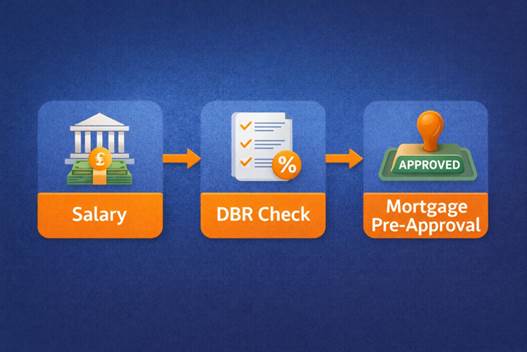
Before you start falling in love with villas, you must secure a mortgage pre-approval. This is a “mortgage offer letter” from a bank that tells you exactly how much they will lend you.
Understanding Debt Burden Ratio (DBR)
Banks in the UAE calculate your Debt Burden Ratio. Usually, your total monthly debt repayments (including car loans and credit cards) cannot exceed 50% of your gross income. If you are worried about buying property on a single income, a joint mortgage application with your spouse can significantly boost your borrowing power.
Fixed-rate vs. Variable Mortgages
In 2026, the Dubai mortgage interest rates forecast suggests a period of stability.
- Fixed-rate: Offers peace of mind with the same payment for 2-5 years.
- Variable-rate: Fluctuates with the EIBOR. For families, we often recommend a fixed-rate period to allow for better household budgeting during the initial years of ownership.
4. The hidden costs of buying a home in Dubai for first-time buyers
Beyond the down payment, you must account for closing costs. Families often overlook these, but they are crucial for your upfront cash requirement:
- DLD Fees: 4% of the purchase price (unless waived by the developer).
- Mortgage Registration Fees: 0.25% of the loan amount.
- Valuation Fees: Ranging from 2,500 to 3,500 AED.
- Mortgage Processing Fees: Usually 1% of the loan (though some zero commission deals exist).
- Conveyancing Services: Essential for a smooth Title Deed transfer and handling the MOU and No Objection Certificate (NOC).

5. Emerging Communities: Where the Value Is
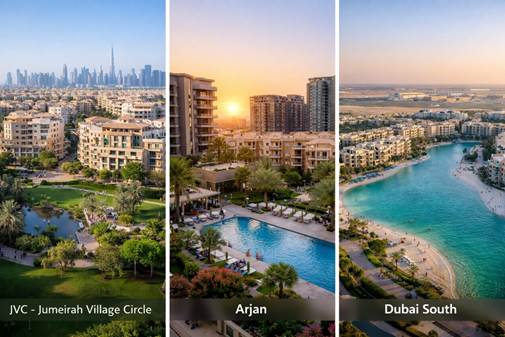
If you are looking for affordable housing segments, the 2025 data points us toward specific winners. JVC (Jumeirah Village Circle) remains the top choice for families, with 1-bedroom units averaging 1.08 million AED. For those seeking higher luxury on a budget, Business Bay offers studios from 1.2 million AED.
For families asking, “How much cash do I really need to buy a villa in Dubai?”, looking at emerging communities like Arjan or Dubai South can lower the entry barrier. These areas often feature post-handover payment plans, allowing you to pay a portion of the price even after you have moved in.
6. Special Cases: Self-Employed and New Residents
Can new residents get a mortgage in Dubai? Yes. While some banks prefer a 6-month residency, several best banks for expat mortgages in UAE have products specifically for newcomers with a confirmed employment contract.
For the self-employed expat, the requirements are stricter (usually 2 years of audited accounts), but with Freehold property financing, the market is more accessible than ever. The key is to maintain a high credit score requirement for UAE mortgage standards by paying all utility bills and credit cards on time.

7. Islamic Financing: An Ethical Alternative
For those seeking Sharia-compliant options, Islamic financing (often structured as Ijarah) is widely available. Instead of a traditional loan, the bank buys the property and leases it to you, with a portion of your payment going toward increasing your ownership stake. In 2026, the rates for Islamic mortgages are highly competitive with conventional ones.
8. Conclusion: Your Path Forward with the Dubai Mortgage Guide 2026
Homeownership in Dubai is no longer an exclusive club for the ultra-wealthy; it is a strategic financial move for families who want to secure their future. As outlined in this Dubai Mortgage Guide 2026, the combination of record-breaking market growth, competitive interest rate trends 2026, and flexible developer incentives has created a unique window of opportunity. By understanding your upfront cash requirement and choosing the right community, you can finally stop paying someone else’s mortgage and start building your own equity.
At Veer & Sant, we are committed to turning the insights from this Dubai Mortgage Guide 2026 into your reality. Whether you are a first-time buyer or looking to expand your portfolio in emerging communities like JVC, our team is here to simplify the complex financing landscape for you.
Ready to take the next step? Contact Veer & Sant today for a personalized consultation based on our Dubai Mortgage Guide 2026.