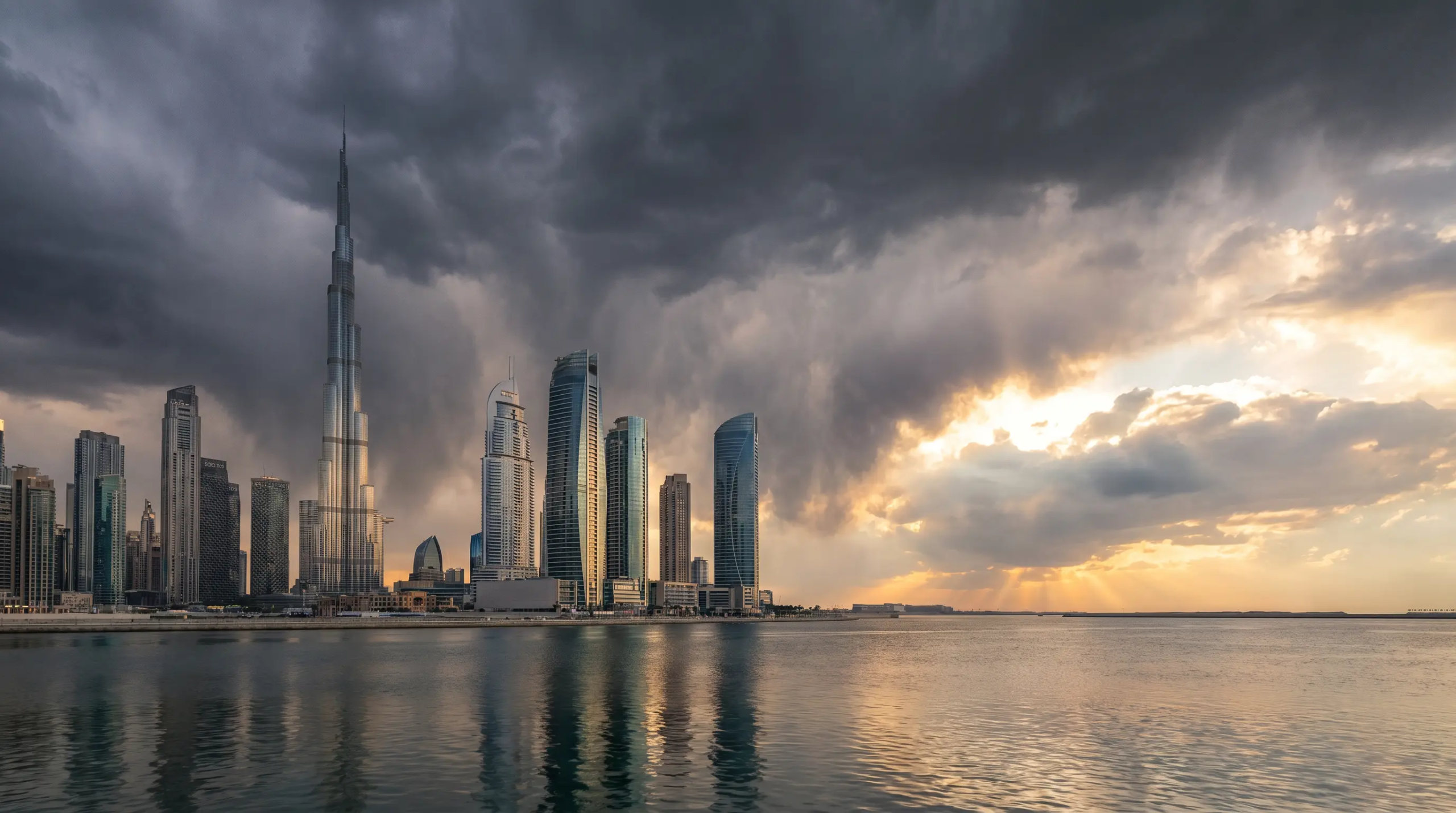
As the Middle East moves toward peace in mid 2026, the United Arab Emirates comes out of the region’s most dangerous war in a generation looking stronger, calmer, and more in control than almost anyone expected.
When the history of this war is written, most of it will focus on Tehran, Tel Aviv, and Washington. But one of the most useful stories belongs to a country that fired very few shots and may have learned the most. That country is the United Arab Emirates.
On June 14, 2026, mediators announced a memorandum of understanding meant to end the Iran, Israel, and US conflict within 60 days, with a signing planned for June 19. For the first time since Israeli jets struck Iranian nuclear sites in June 2025, the region can finally see a real path back to calm.
Over roughly one year, the UAE faced a test that exposed almost every weak spot a modern Gulf economy can have. It passed. This article looks at how Dubai and the UAE leadership handled the storm, what it cost them, and the clear lessons their actions offer to investors, businesses, and ordinary readers watching from the rest of the world. The language here is kept simple on purpose, because these lessons matter to a wide audience, not just to experts.
A Simple Timeline: How the Region Reached the Brink
To understand how the UAE responded, you first need to see how fast and how serious the danger became.
The first shock came in June 2025. Israel launched a major operation against Iran’s nuclear and military sites, and the United States soon joined in. This short fight became known as the Twelve Day War. It ended with a US backed ceasefire on June 24, 2025. The ceasefire held, but only barely, and it settled none of the deeper disputes.
The far more dangerous phase began on February 28, 2026. Israel and the United States launched a wave of airstrikes against Iran. The strikes killed Iran’s supreme leader and several senior officials and destroyed a large share of Iran’s military and government targets. Iran struck back with missiles and drones aimed at Israel, at US bases, and at US allied countries across the Gulf. Most importantly for the world economy, Iran also moved to close the Strait of Hormuz, the narrow waterway that carries much of the world’s oil.
After more than five weeks of fighting, the United States and Iran agreed on April 7 and 8, 2026 to a ceasefire that also included Israel, with Pakistan acting as the main mediator. Talks since then have covered safe passage through Hormuz, Iran’s nuclear and missile programs, sanctions relief, and rebuilding. The June 14 memorandum is the strongest sign yet that the worst has passed.
For the UAE, none of this was a distant news story. It was happening right on its doorstep.
Lesson One: A Diverse Economy Is the Best Defense
For years, “economic diversification” was a Gulf buzzword. It was a nice long term goal repeated at conferences and written into national plans. The 2026 conflict proved it is something far more urgent. It is a survival tool.
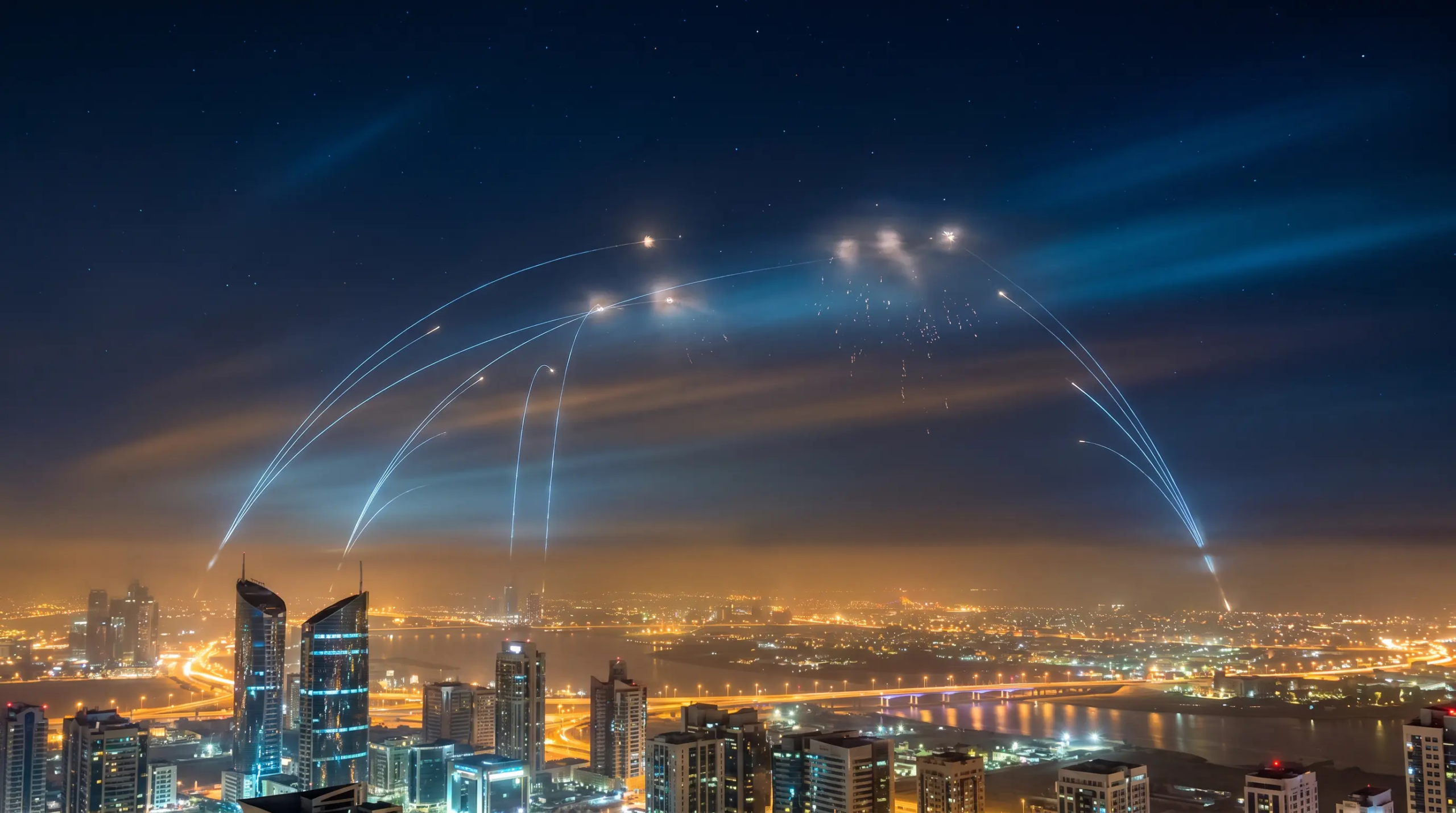
When Iran blocked the Strait of Hormuz in early March 2026, it cut off the main sea route that the UAE and its neighbors use to export oil. The numbers are striking. In 2025, close to 15 million barrels of crude oil a day, about 34 percent of all crude oil traded worldwide, passed through Hormuz. With the strait closed, more than one billion barrels of oil were lost, and close to 100 million more barrels were stranded every week the route stayed shut. Oil prices jumped above 100 dollars a barrel, and global markets shook.
An old style oil economy would have been crushed. The UAE was not, and the reason is built into how the country now works. By early 2025, activities that have nothing to do with oil made up a record 77.3 percent of the UAE’s economy. The country’s total economy grew 6.2 percent to 517 billion dollars in 2025, while the non oil part grew even faster at 6.8 percent. Non oil foreign trade jumped 26 percent and passed one trillion dollars for the first time, led by trade, finance, construction, and manufacturing rather than by barrels of crude.
Here is the simple but powerful point. The UAE survived an oil shock because oil had already stopped being the main thing. A blockade that would have been a disaster in 1990 was, in 2026, a serious but manageable problem. Diversification turned out to be the cheapest insurance a resource economy can buy, and the only kind that pays out during a war.
The lesson for everyone else is clear. Do not test your plans only against price swings. Test them against the worst case, including conflict. The UAE built an economy that could lose its most famous export for weeks and keep running. That is resilience by design.
Lesson Two: Leaving OPEC Was a Statement of Independence
Few moves showed the UAE’s new confidence more clearly than its decision to leave OPEC. On April 28, 2026, just three weeks after the ceasefire, the UAE announced it would end 59 years of membership in the oil group, effective May 1. As OPEC’s third largest producer, its exit sent a shock through the organization and through energy markets.
In public, UAE officials explained the move in plain economic terms. The country has invested heavily to raise its oil production capacity from about 3 million to 5 million barrels a day by 2027, and it had grown tired of an OPEC system that capped its output well below what it could actually pump. Leaving set it free to sell that oil on its own terms.
But the timing tells a bigger story. The decision came right after a war in which Gulf states were targeted no matter how careful they had been. Seen that way, leaving OPEC was about more than production quotas. Analysts described it as the act of a country that no longer wants to be tied to group decisions and prefers to control its own resources, prices, and choices.
This is the deeper angle worth sitting with. The conflict taught the UAE that belonging to a group did not keep it safe. Iran’s blockade hurt Emirati exports whether or not Abu Dhabi followed OPEC rules. If group loyalty offered no protection, then standing on its own feet was the smarter path. The OPEC exit, in this sense, is the energy market version of a wider message. The UAE will make its own decisions, build its own strength, and rely on no one else to guarantee its security or its wealth.
There are risks here too. The move weakens OPEC’s ability to control supply and could push other members to leave, which may add volatility to a market the UAE still depends on. Some critics say it trades shared price stability for personal flexibility at a risky moment. Those concerns are fair, and the final verdict will depend on whether the bet pays off. But as a signal of intent, the message was impossible to miss.
Lesson Three: Strong Defense Means Building Your Own Strength
Of all the lessons from this war, the one about defense may be the most important. It is also the easiest to understand. When trouble came, the UAE was ready, and being ready saved lives and protected the economy.
A Reported Interception Rate Above 95 Percent
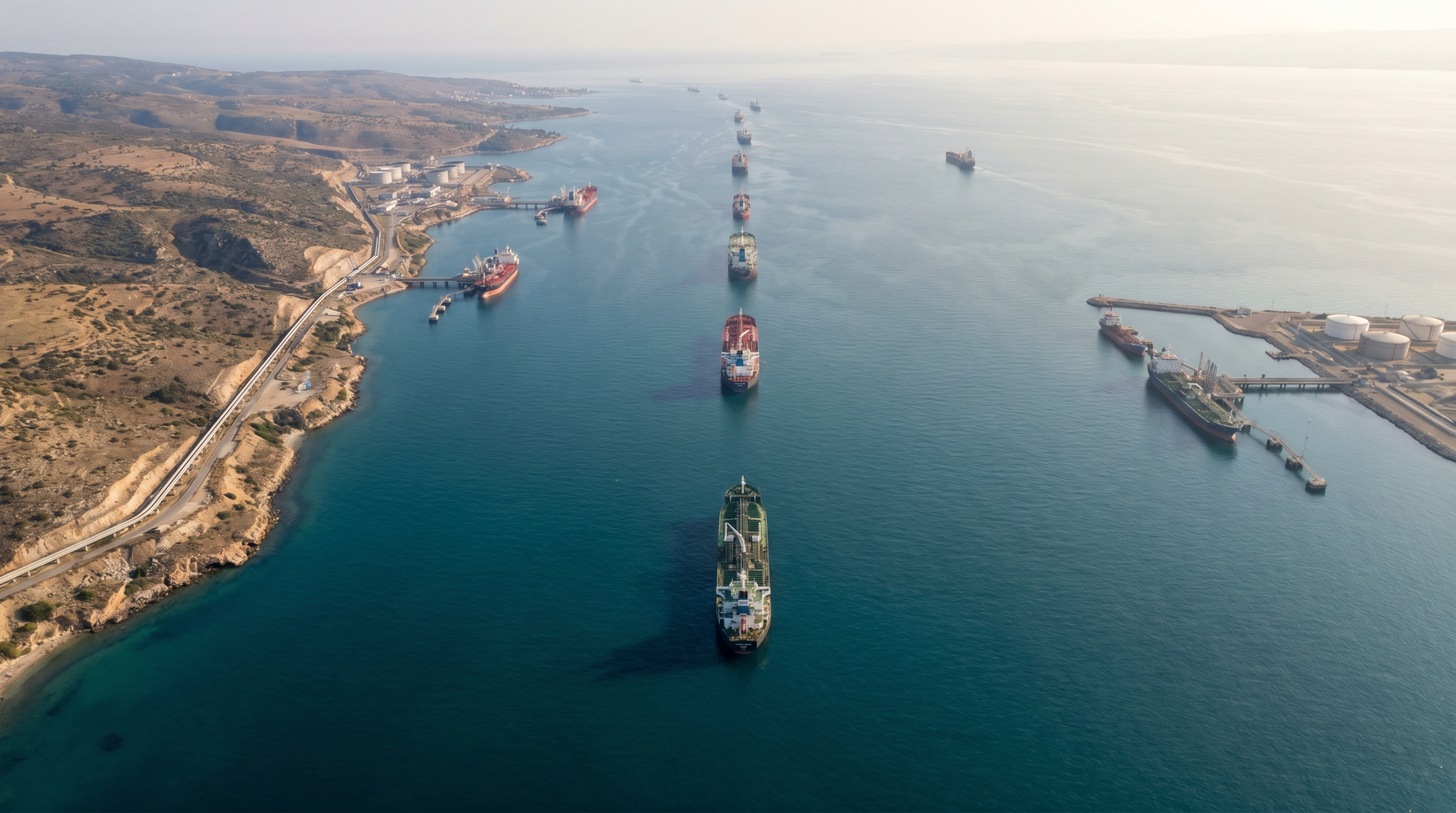
The UAE has spent years building a layered air defense network, which simply means several systems working together to catch threats at different distances and heights. During the missile and drone attacks of 2026, that network reportedly stopped more than 95 percent of what was aimed at it. Some reports put the interception rate above 96 percent.
Put plainly, for every 100 threats fired toward protected areas, more than 95 were knocked out of the sky before they could do harm. In a war where Iran launched missiles and drones across the Gulf, that success rate was the difference between fear and disaster. Power plants, airports, ports, financial districts, and homes stayed standing because the shield above them worked.
This did not happen by luck. The UAE has steadily raised its defense spending from 20.5 billion dollars in 2022 to 27.15 billion dollars in 2026, and that figure is expected to reach 39.4 billion dollars by 2031. The country regularly spends between 4 and 6 percent of its total economy on defense, a high share that reflects how seriously it takes regional threats. Major purchases include the Rafale F4 fighter jet and the Cheongung II air defense system, with growing focus on anti drone technology, artificial intelligence, and long range precision systems.
What That Success Rate Really Says About the UAE
A 95 percent interception rate is impressive on its own, but the deeper meaning is what matters. A defense system that performs that well under real fire tells you three things about a country.
First, it shows preparation. You cannot build a layered shield in the middle of a war. The UAE invested for years, trained its people, and bought the right equipment long before the first missile flew. The result was a country that met a sudden crisis with calm instead of panic.
Second, it shows a clear security strategy. The UAE did not try to match Iran missile for missile or seek a wider war. It focused on defense, on protecting its own skies, and on staying steady. That choice, restraint backed by real strength, kept the country safe without dragging it deeper into the fighting.
Third, it shows resilience. When people, businesses, and investors believe a place can protect itself, they stay calm. A high interception rate is not only a military number. It is a confidence signal. It tells families they can stay, tells companies they can keep operating, and tells investors their money is safe. In a tense region, that confidence is worth as much as the missiles it stops.
Building Weapons at Home, Not Just Buying Them
There is one more piece to the defense story. The UAE is increasingly building its own military equipment through national companies such as the EDGE Group, rather than depending only on foreign suppliers. The logic is the same one behind its economic diversification. Reduce your dependence on any single partner who might not arrive in time.
A historic moment captured this shift. During the conflict, Israel reportedly transferred an operational Iron Dome battery onto UAE soil, said to be the first time Israel placed such a system in another country. It was ordered after a direct call between Israel’s prime minister and the UAE president. Whatever one thinks of the politics, the meaning is clear. The Abraham Accords, signed in 2020 as a normalization deal, had grown under pressure into a real defense relationship. Partnership turned into protection.
The takeaway for small and mid sized nations everywhere is sobering and simple. Allies matter, and the UAE still values its close ties with the United States. But the only defense fully in your own hands is the one you build, train, and pay for yourself.
Lesson Four: Dubai Turned Stability Into a Product
While Abu Dhabi handled the energy and security questions, Dubai ran a quieter experiment in confidence, and the results are remarkable.
The war did leave marks. After the February 2026 escalation shook traveler confidence, Dubai International Airport handled 18.6 million passengers in the first three months of 2026, down from 23.4 million in the same period of 2025. That is a clear, measurable hit to one of the city’s signature industries. Airlines, hotels, and luxury shops all had to adjust to a more cautious mood.
And yet the foundation held. In 2025, Dubai welcomed a record 19.6 million international visitors, and even through the turbulence of early 2026 the property market stayed steady. Office space in prime areas stayed in the mid 90 percent occupancy range, and observers kept describing Dubai as a safe haven for investors. While conflict spread uncertainty across nearby countries, the UAE stayed, in the words of one market report, “a bastion of predictability.”
Here is one of the most surprising lessons of the whole episode. In a region known for chaos, Dubai turned its own calm into something it could sell. Money, talent, and companies did not flee the neighborhood at random during the crisis. Much of it gathered in the one place that combined a Gulf location with reliable rules, the rule of law, and a working defense shield. Dubai acted like a shelter from the storm. The safer it looked compared with its surroundings, the more attractive it became.
For anyone in real estate or finance, the lesson is exact. Resilience is not just avoiding damage. It is gaining trust while others lose it. The cities that win during unstable times are the ones that invested early in the boring basics of safety, good governance, transparency, and strong connections. Dubai had been saving up that trust for years. In 2026, it cashed in.
Lesson Five: Quiet Diplomacy Is a Form of Power
Through the whole conflict, the UAE leadership chose calm, steady diplomacy over loud statements. President Sheikh Mohamed bin Zayed Al Nahyan led active efforts to cool tensions and stop the war from spreading, with the UAE repeatedly calling diplomacy and dialogue the only real path to stability and prosperity for the region. When the April ceasefire was announced, the UAE foreign ministry stressed the need for Iran to honor the truce and, tellingly, to keep the shipping lanes open, protecting the trade routes that Emirati wealth depends on.
This mix of restraint and self interest is itself a lesson. The UAE did not perform for headlines. It worked behind the scenes, kept talking even to rivals, and tied its diplomacy directly to real national needs like open sea lanes. It is a model of how a middle sized power can act. Too small to force outcomes, too important to ignore, and disciplined enough to turn its convening power into real influence.
The quiet point is this. The UAE’s economic and military strength is what gave its diplomacy weight. A country that can defend its skies, fund itself without a single export, and host the region’s money is a country whose calls for calm are actually heard. Hard power and soft power were not opposites here. They worked together.
What the Rest of the World Can Learn
Take away the details of this particular war, and a simple playbook appears, one that applies far beyond the Gulf.
Build choices before you need them. The UAE could absorb the Hormuz blockade because it had spent a decade reducing its reliance on the very thing the blockade targeted. Options are expensive to build and priceless to own.
Treat self reliance and partnership as partners, not rivals. The UAE deepened its ties with the United States and Israel and built its own strength at home. The lesson of 2026 is not to drop your allies, but to never depend on them completely.
Make stability something you can offer. Dubai’s safe haven advantage was not luck. It was the payoff from years of investment in good governance, security, and predictability, the kind of assets that grow most valuable exactly when the world is falling apart.
Turn crisis into repositioning. The OPEC exit, the defense buildup, and the deeper security ties were not panic moves. They were strategic steps the UAE had been preparing for, and the war made them both possible and accepted.
The Road Ahead: A Region Moving Toward Peace
As of mid June 2026, the guns have mostly gone quiet, and a formal agreement is within reach. Rebuilding a damaged region will take years, and real risks remain. A ceasefire is not the same as a settlement, Iran’s future direction is uncertain, and energy markets are still digesting the shock. Hope should be careful, not blind.
But it is hard to look at the UAE’s conduct over the past year and not see a country that came out stronger, clearer, and more independent than it went in. It diversified its way through an oil blockade, declared its independence from a 59 year old oil group, shielded its skies, kept its economy growing and its diplomacy working, and made its stability one of the most valuable things in the Middle East.
The deepest lesson Dubai and the UAE have shown the world is not really about oil, or missiles, or even diplomacy. It is about the discipline of preparing for the worst while building for the best, and having the patience to do both at once, for years, before the test ever arrives. When the storm came, the UAE was ready. As the region turns toward peace, that readiness is the lesson worth keeping.
Frequently Asked Questions
What was the Iran, Israel, and US conflict of 2025 to 2026?
It was a major Middle East conflict that began with the Twelve Day War in June 2025, when Israel and the United States struck Iranian nuclear and military sites. It escalated sharply in February 2026, included the closure of the Strait of Hormuz, and moved toward a ceasefire in April 2026 and a peace memorandum in June 2026.
How did the UAE protect itself during the conflict?
The UAE relied on a layered air defense network that reportedly intercepted more than 95 percent of incoming missiles and drones. It also leaned on years of investment in defense, a diversified economy, steady diplomacy, and close security ties with partners including the United States.
What is the UAE’s reported air defense interception rate?
Reports during the 2026 conflict put the UAE’s interception rate above 95 percent, with some figures exceeding 96 percent. This means the vast majority of threats aimed at protected areas were stopped before they could cause harm.
Why did the UAE leave OPEC?
The UAE announced its exit from OPEC on April 28, 2026, effective May 1. Officially it wanted the freedom to raise oil production beyond OPEC’s limits, toward a capacity of 5 million barrels a day by 2027. The timing, just after the war, also signaled a wider push for independence and self reliance.
How did Dubai’s economy hold up during the conflict?
Dubai felt real effects, including a drop in airport passengers in early 2026. But its property market stayed steady, office occupancy remained high, and it kept its reputation as a safe haven for investors, helped by a diversified economy and a strong security posture.
Is the Middle East conflict over?
As of mid June 2026, a ceasefire is holding and a peace memorandum is expected to be signed on June 19, aiming to end the conflict within 60 days. Rebuilding and final terms will take time, and some risks remain, so the situation should be watched closely.