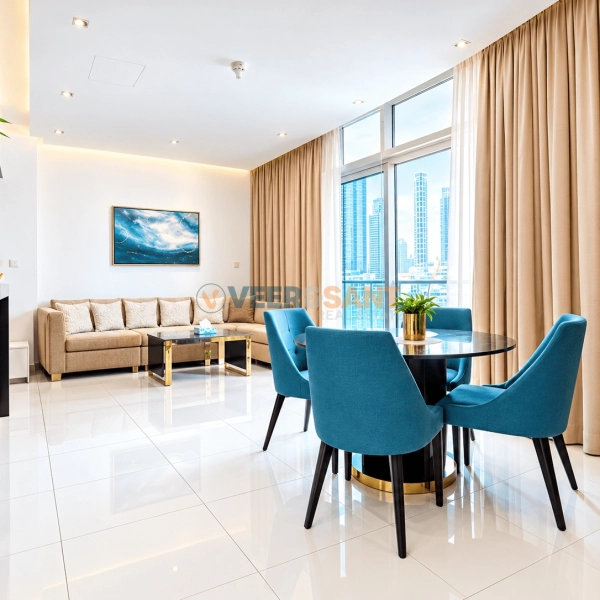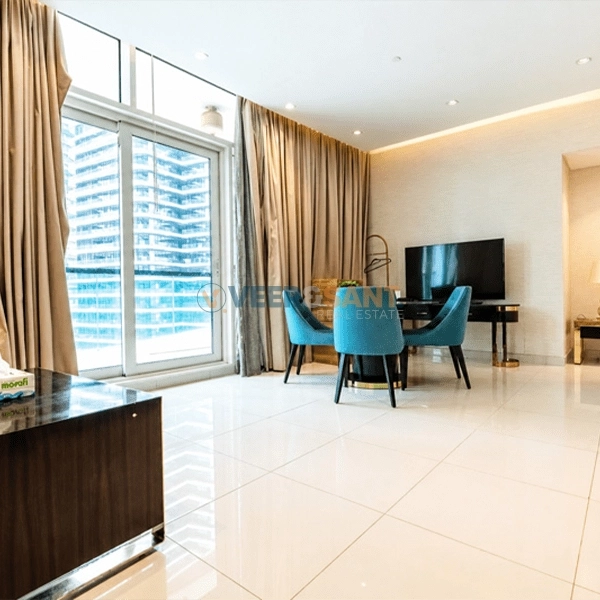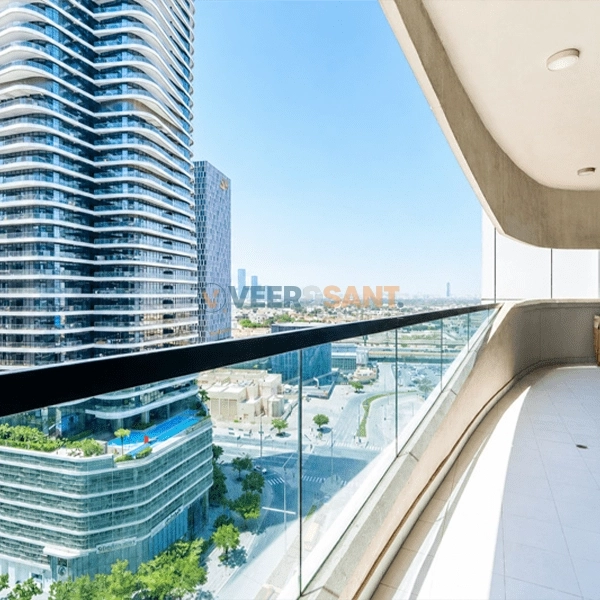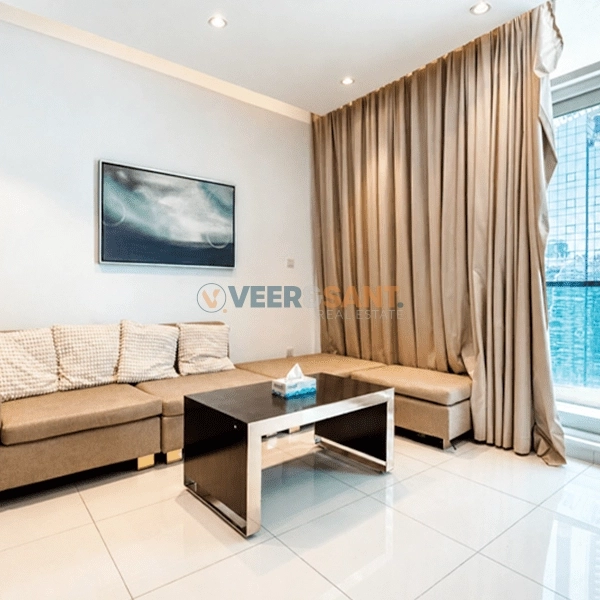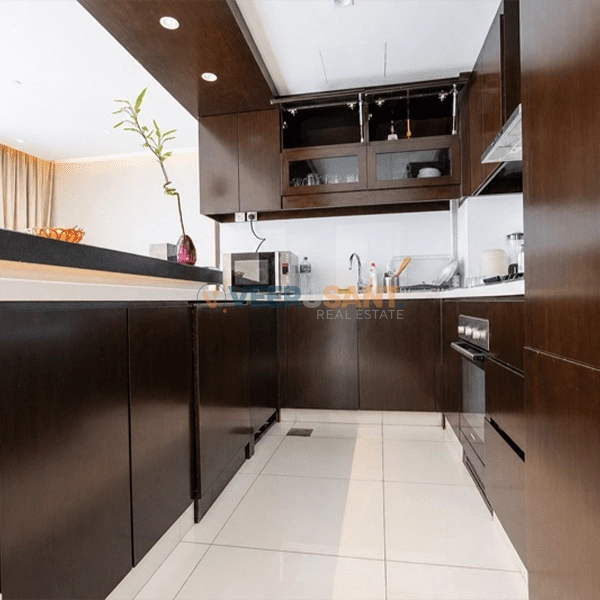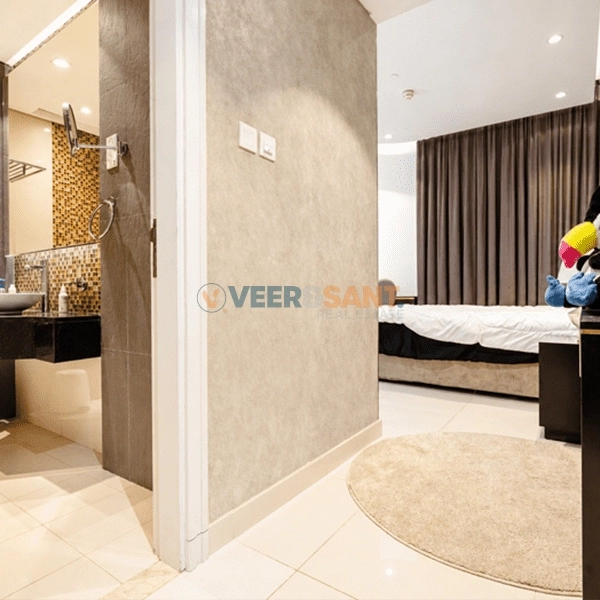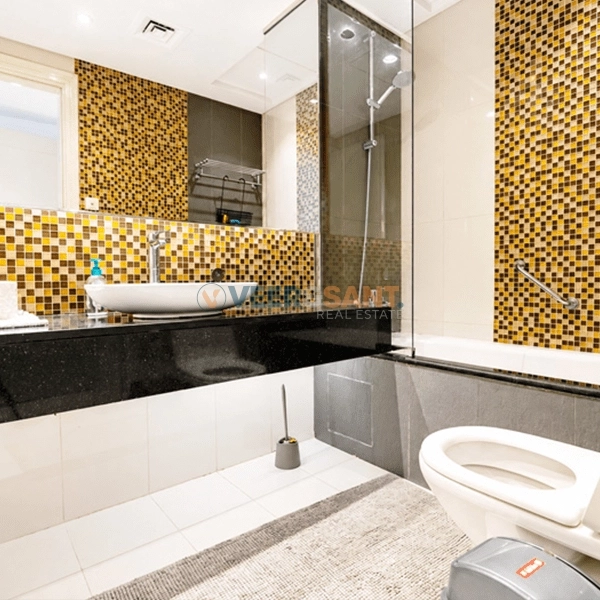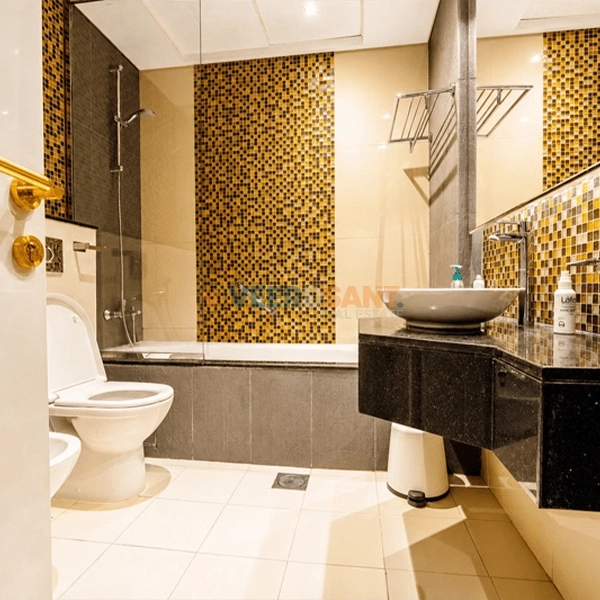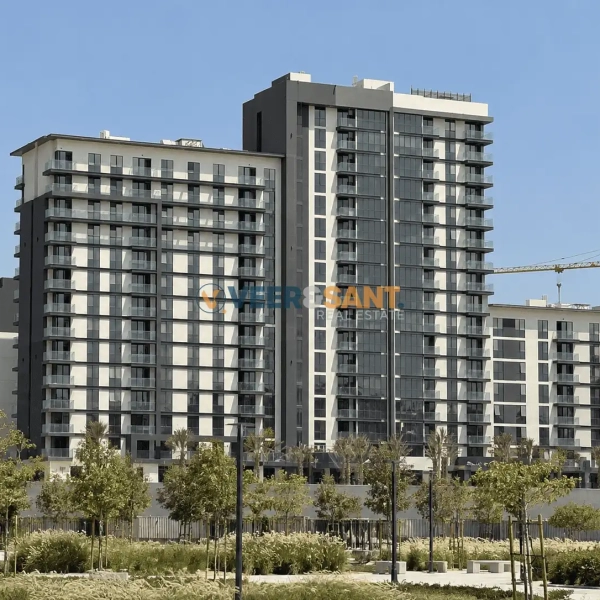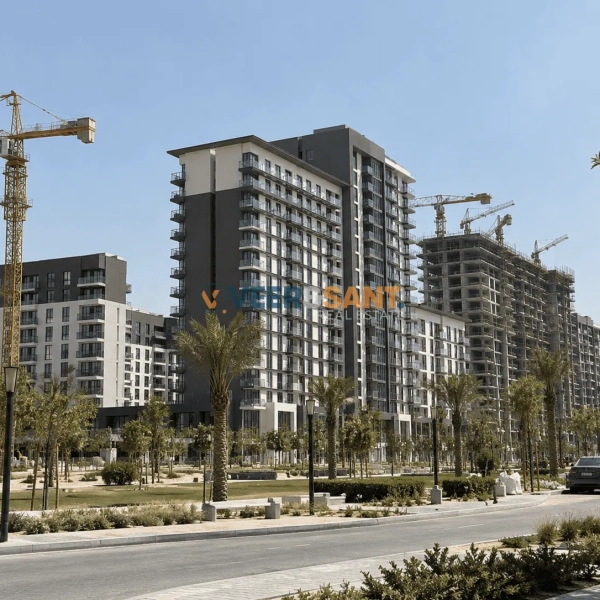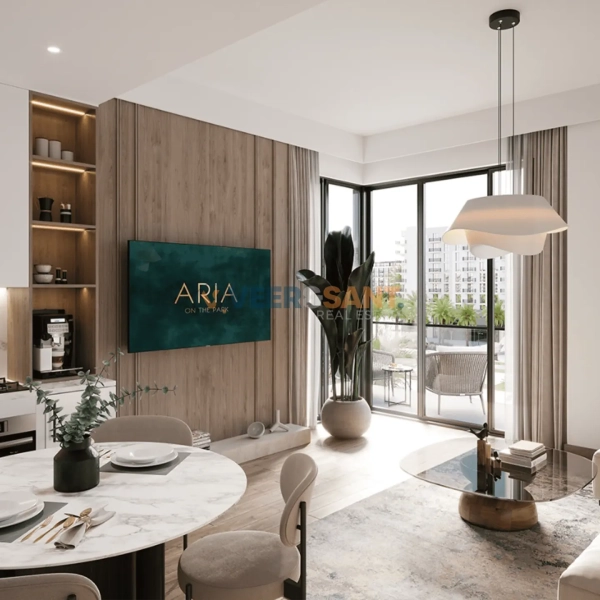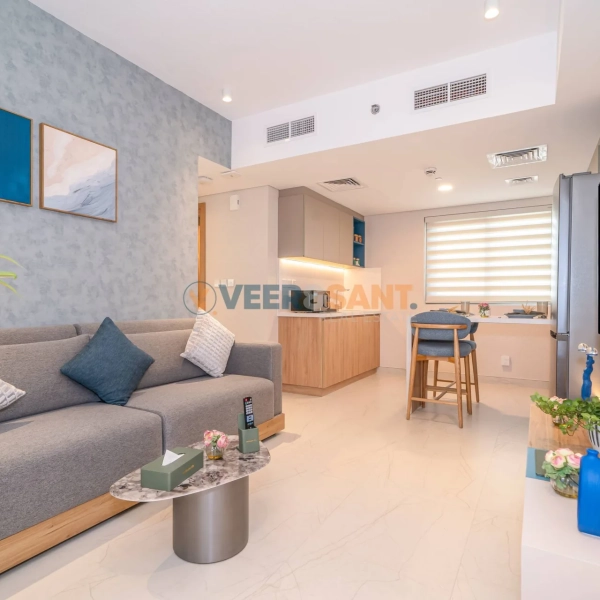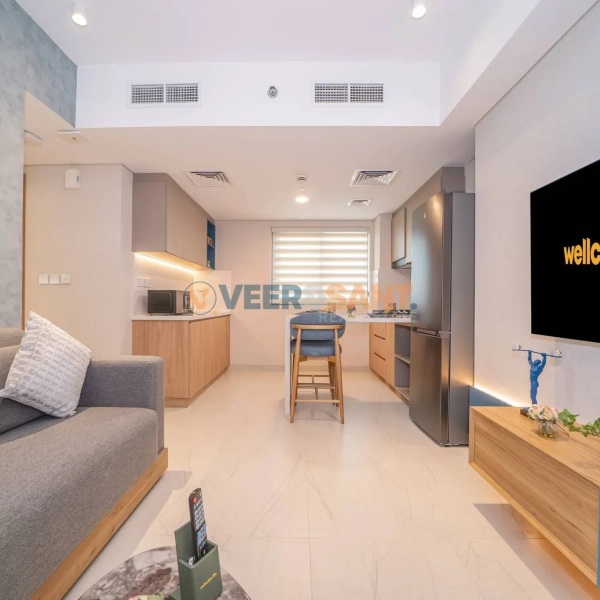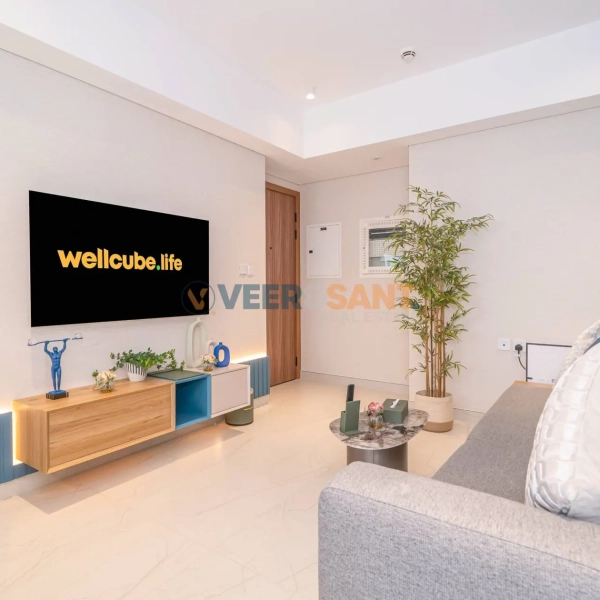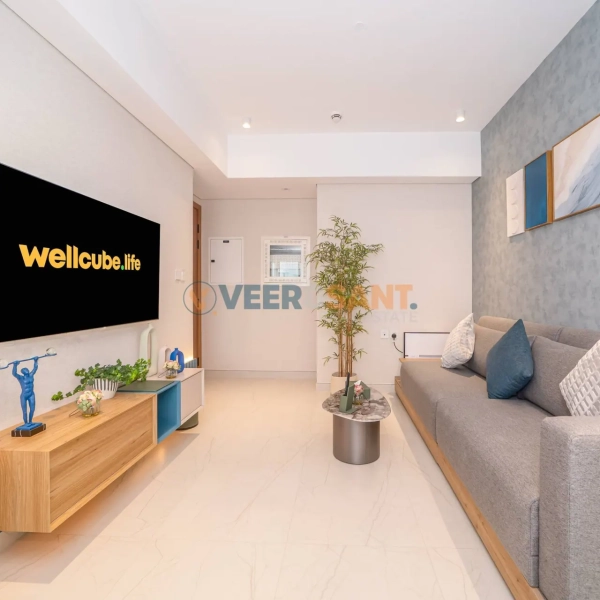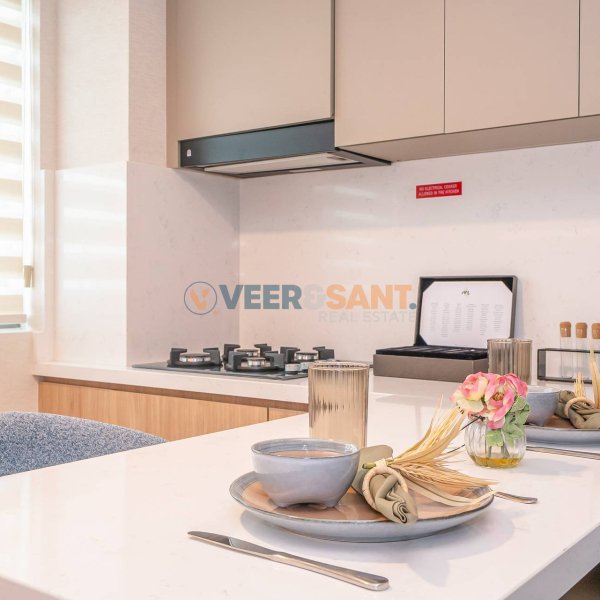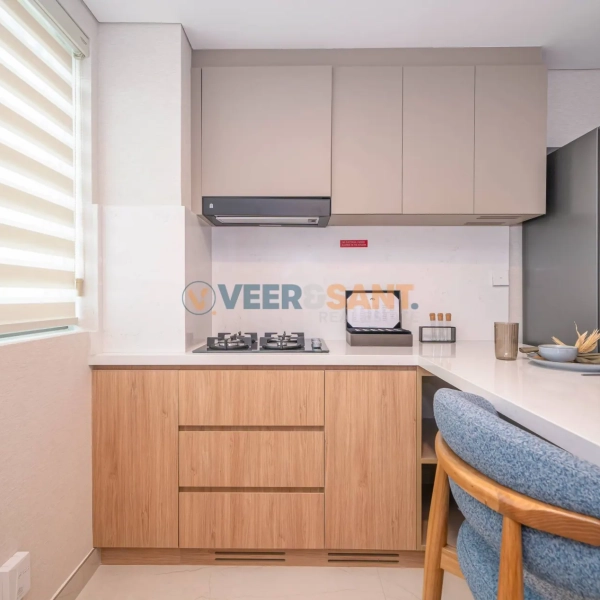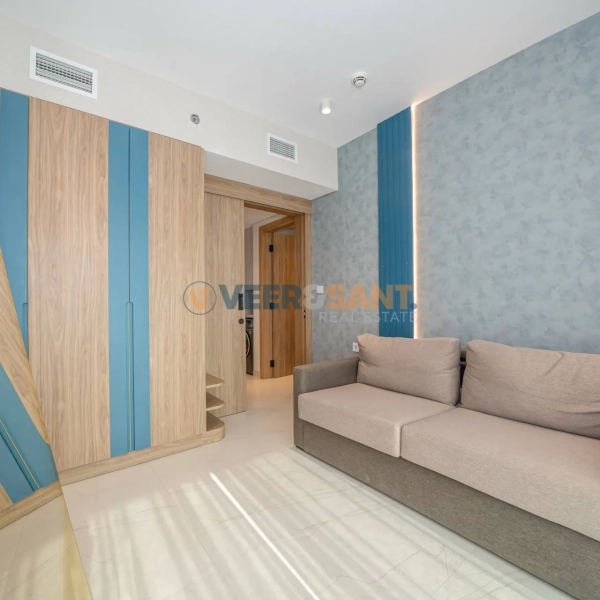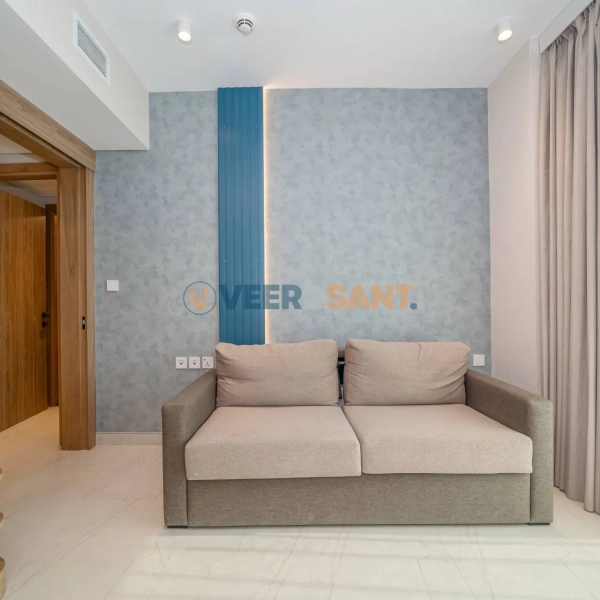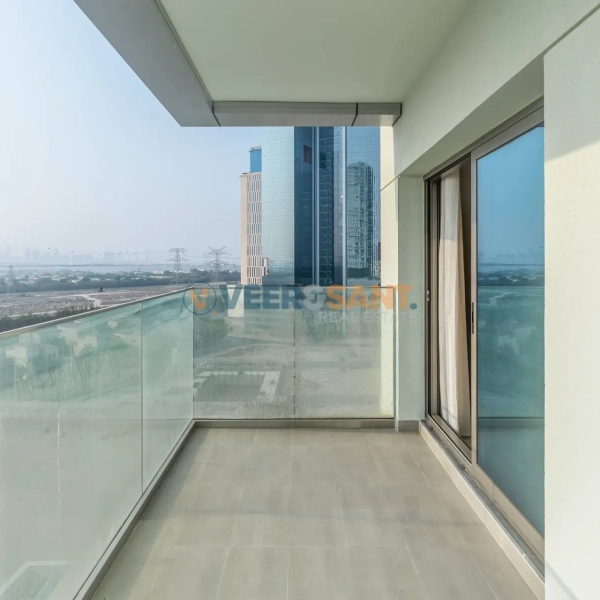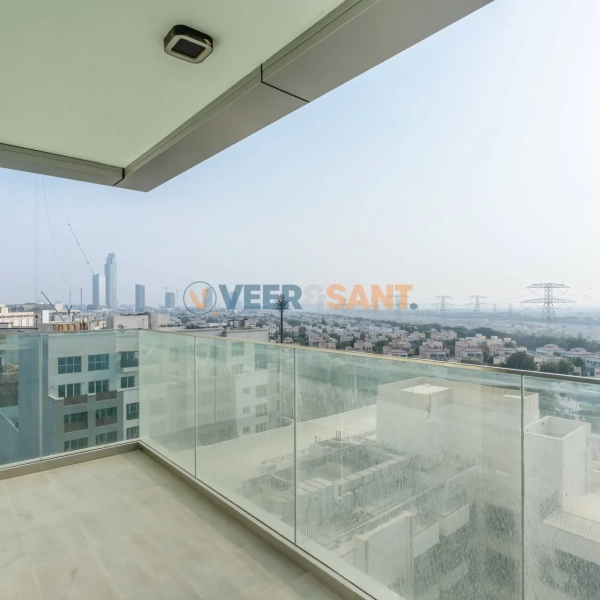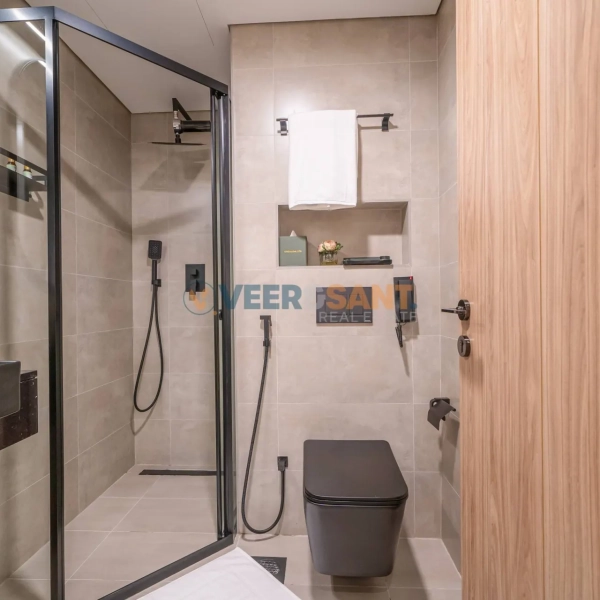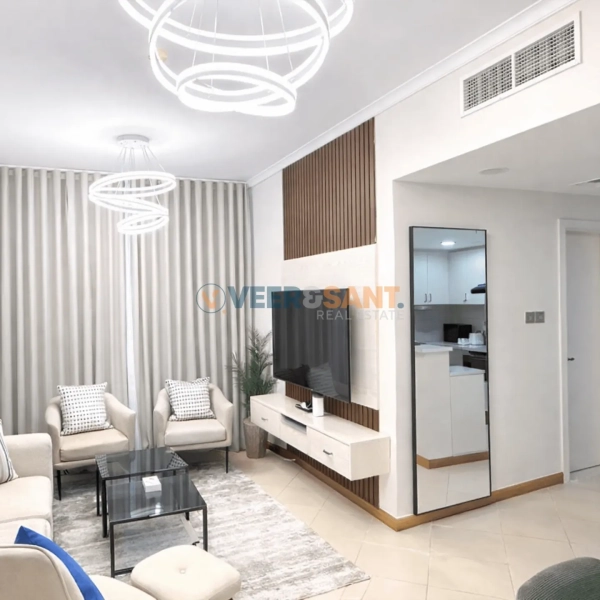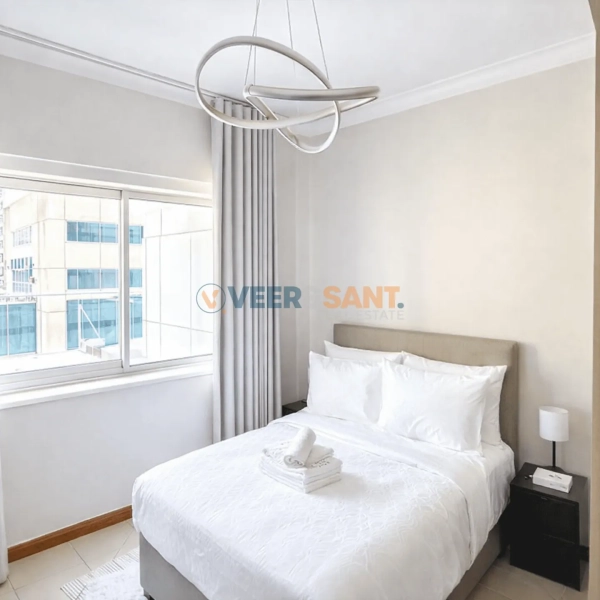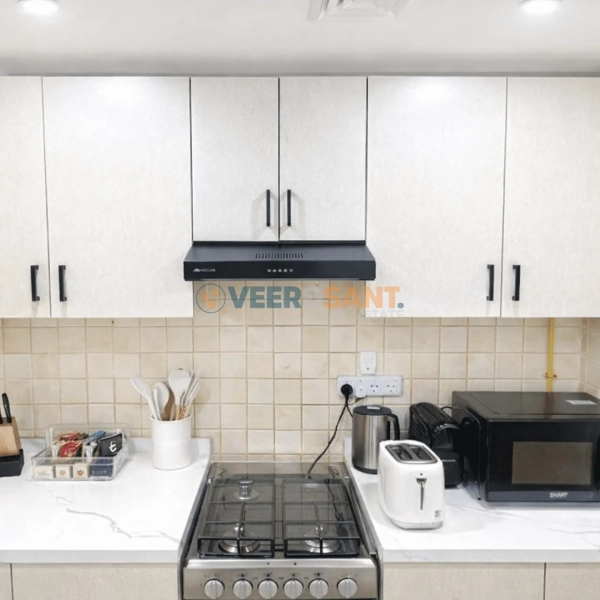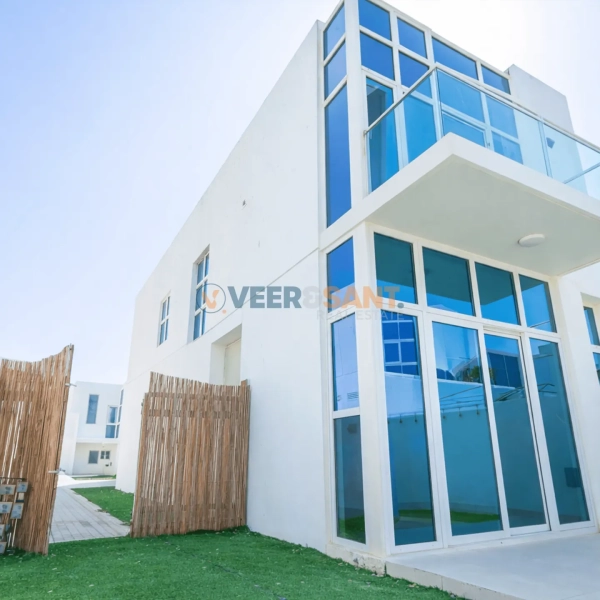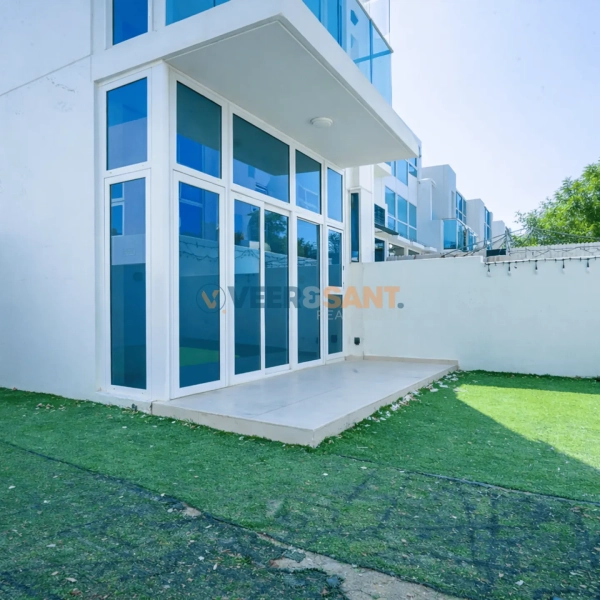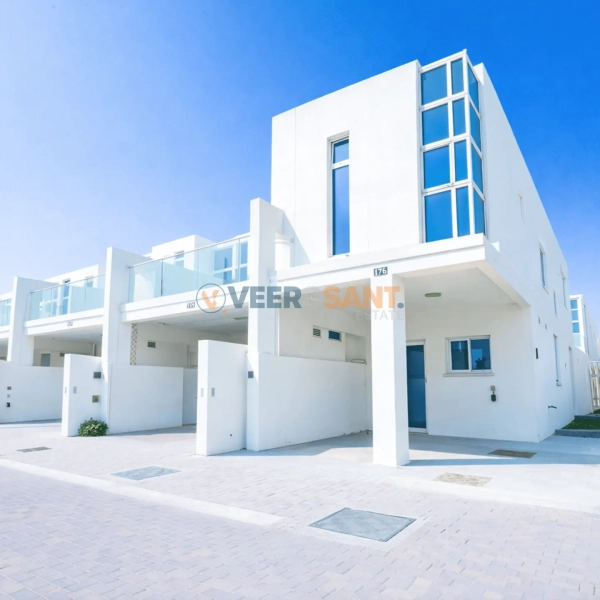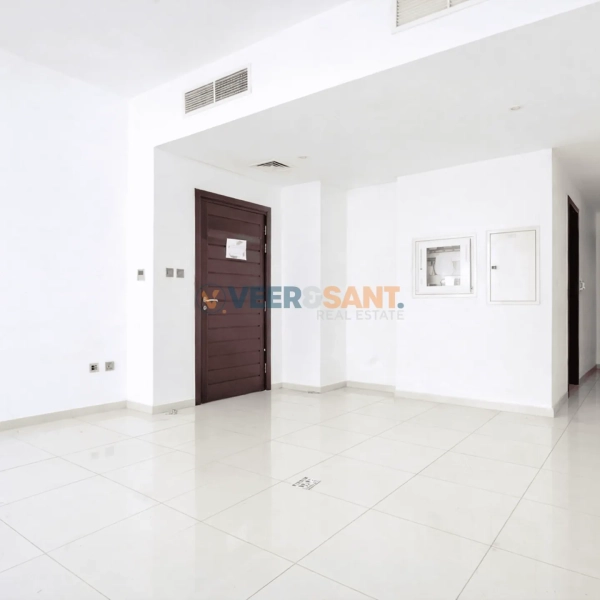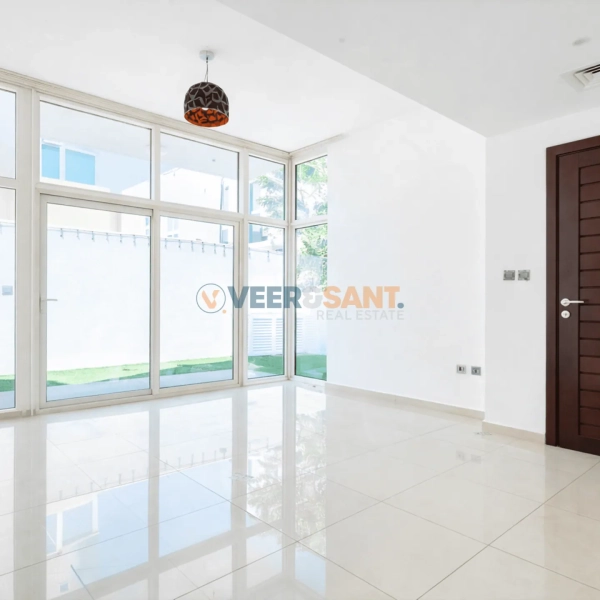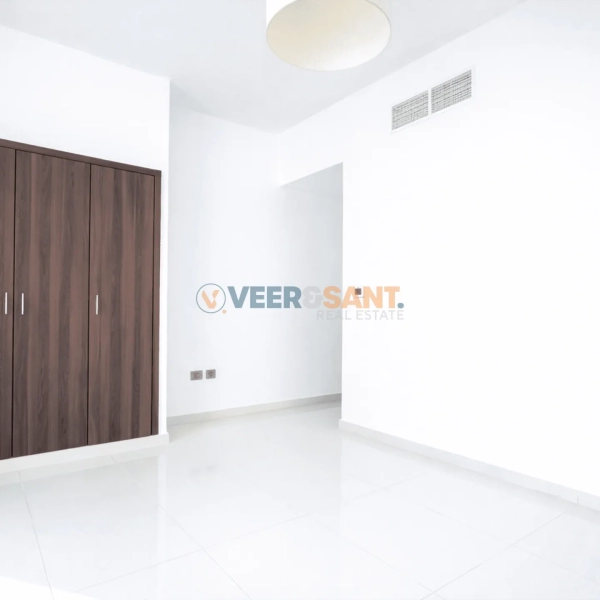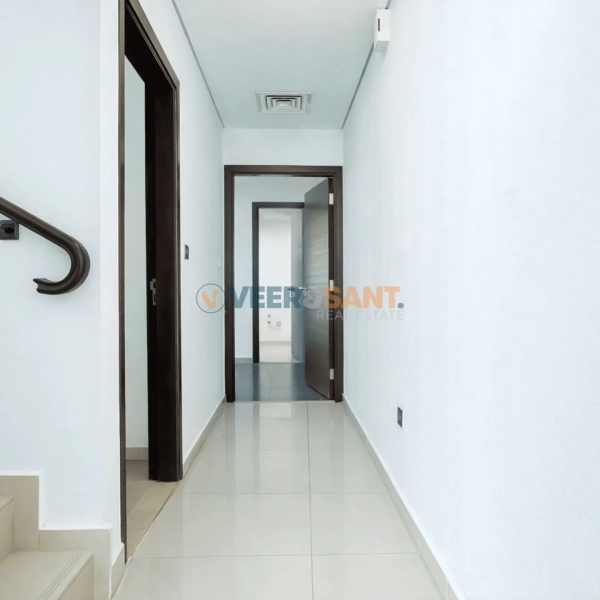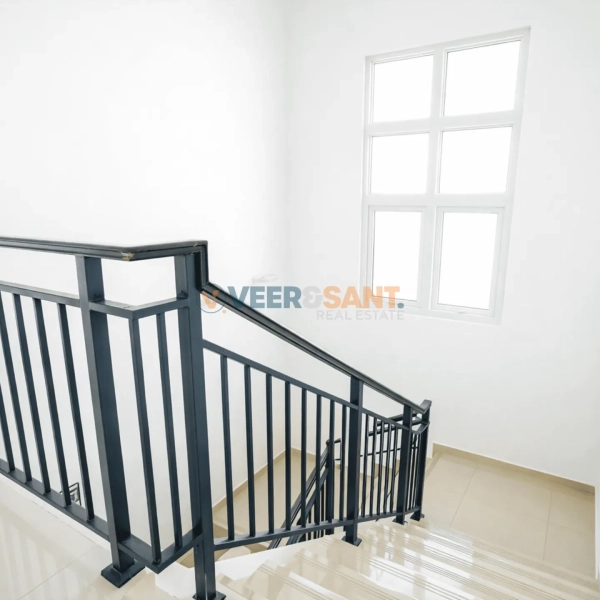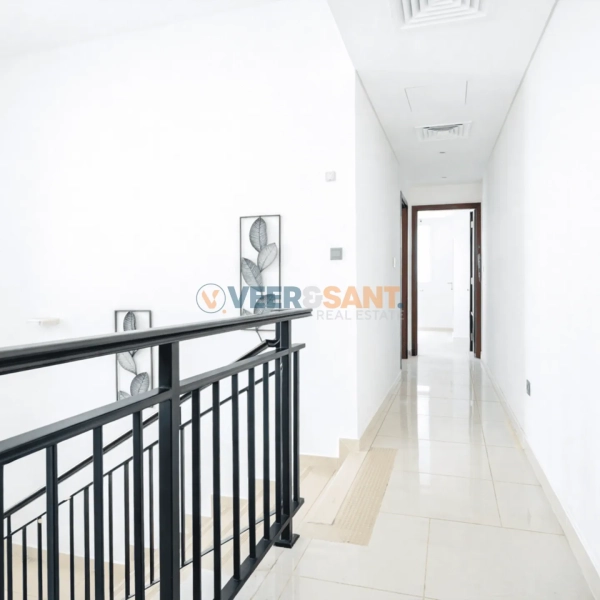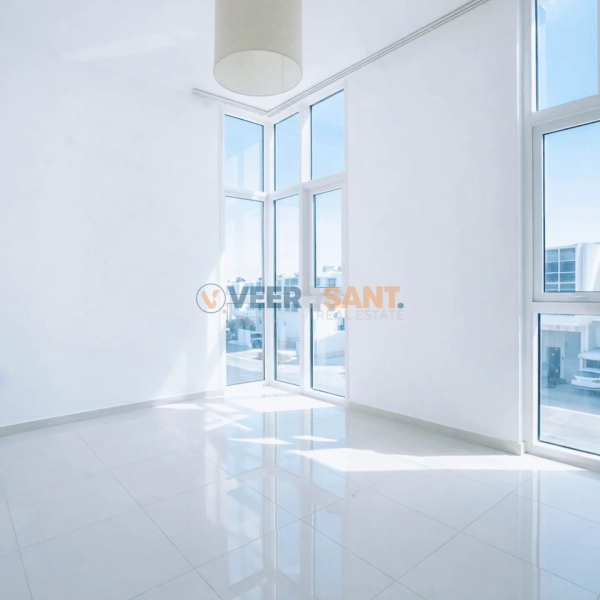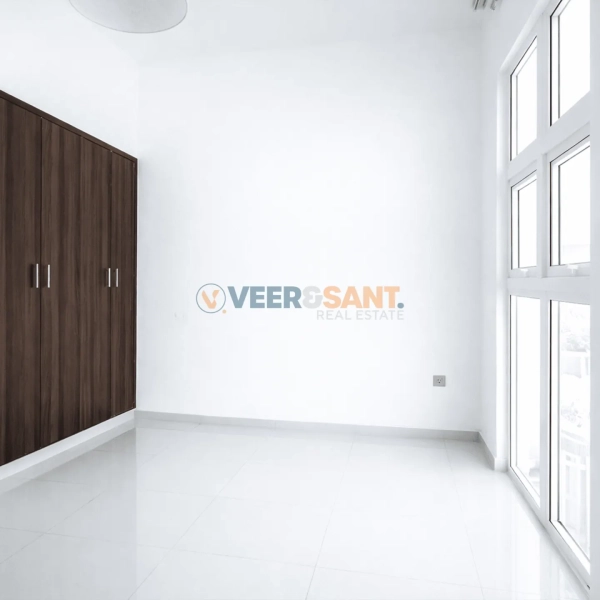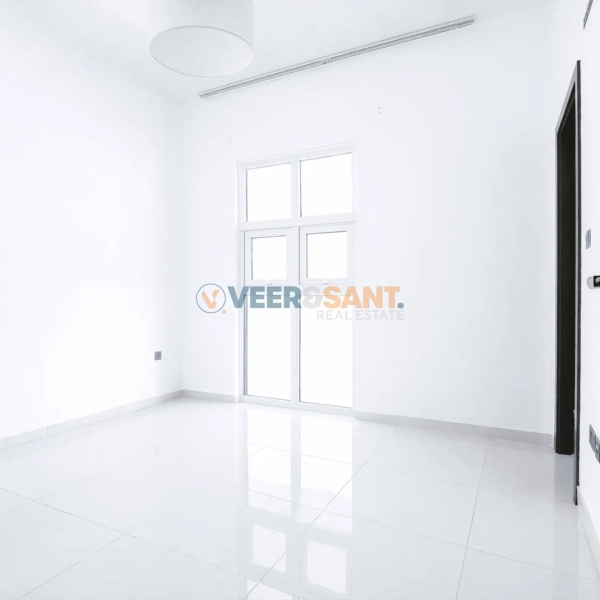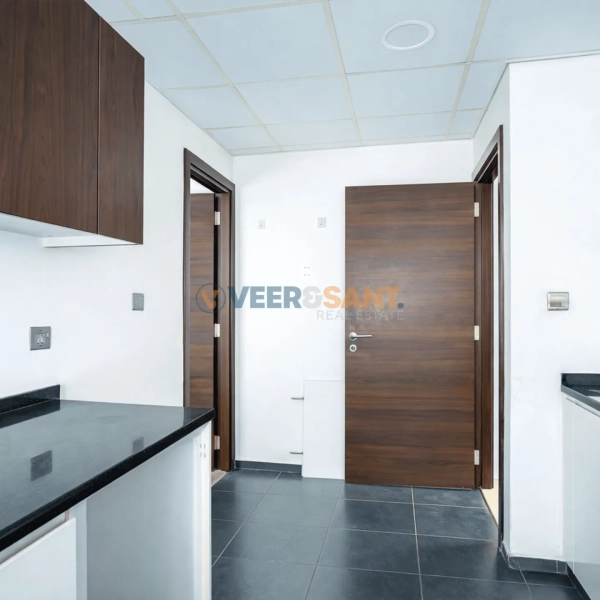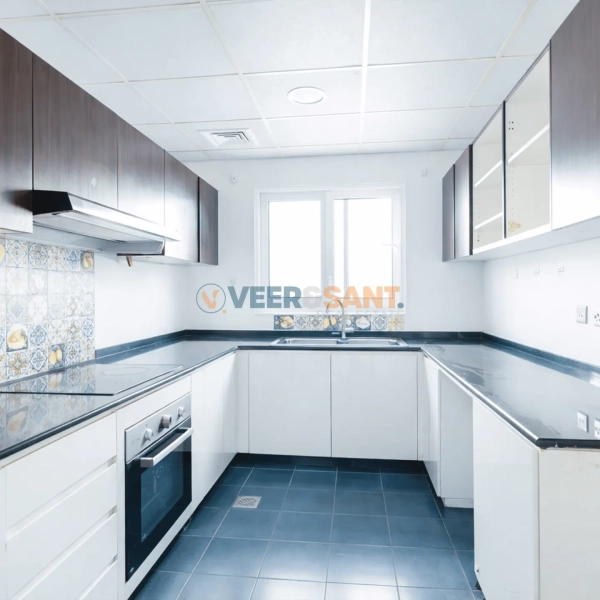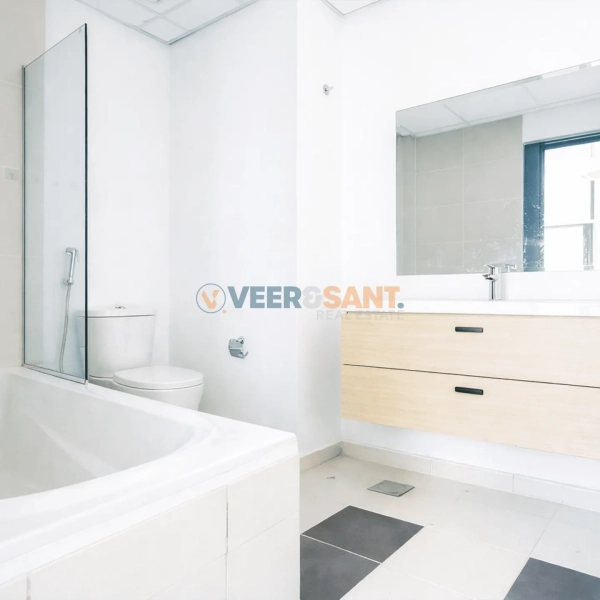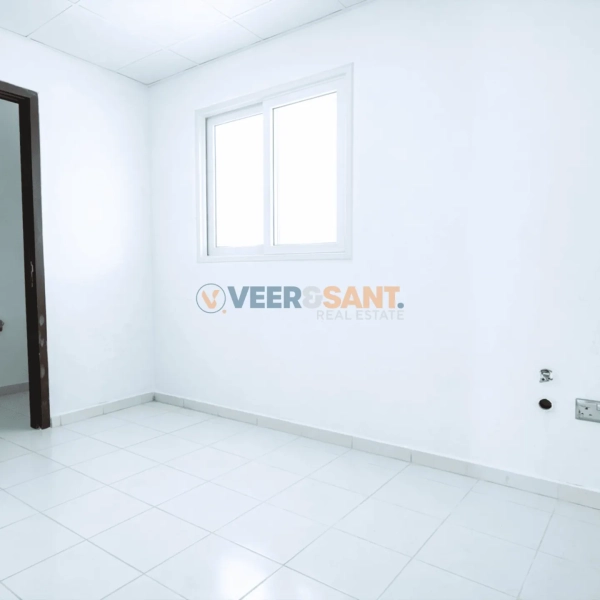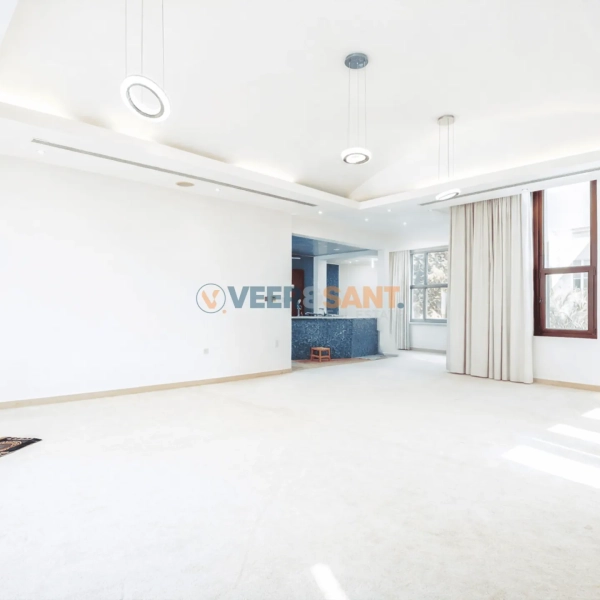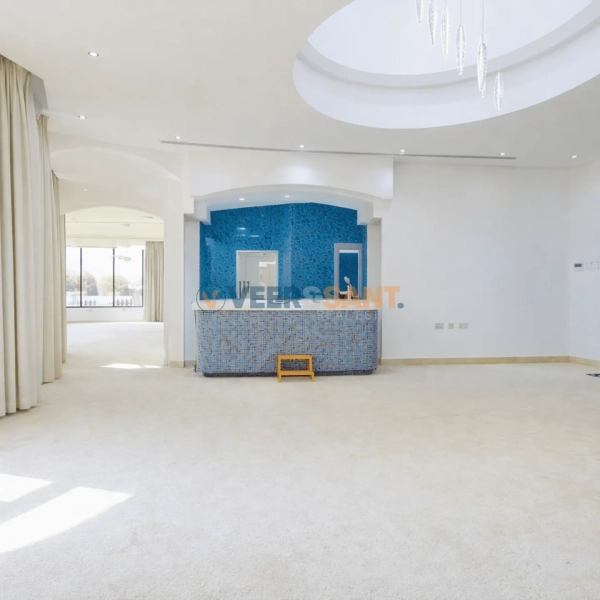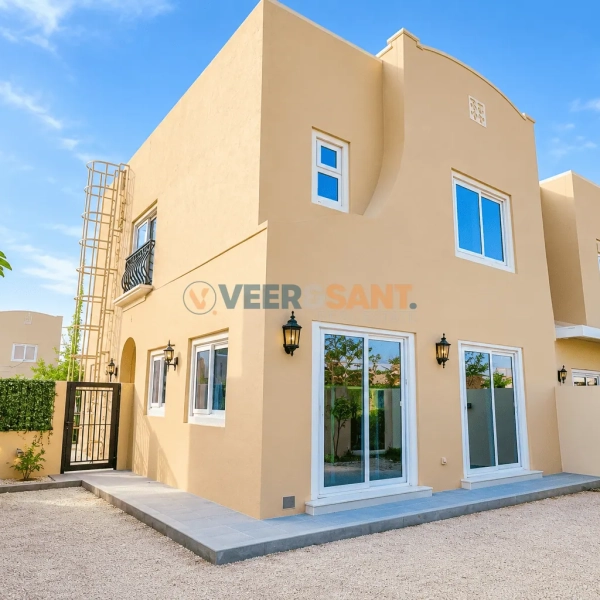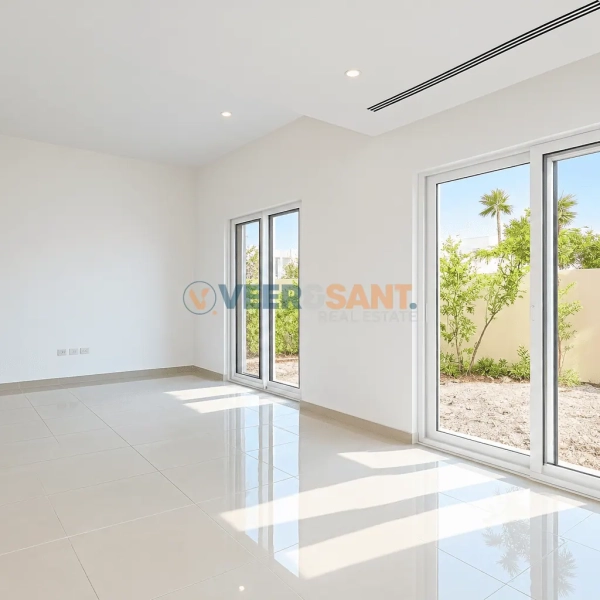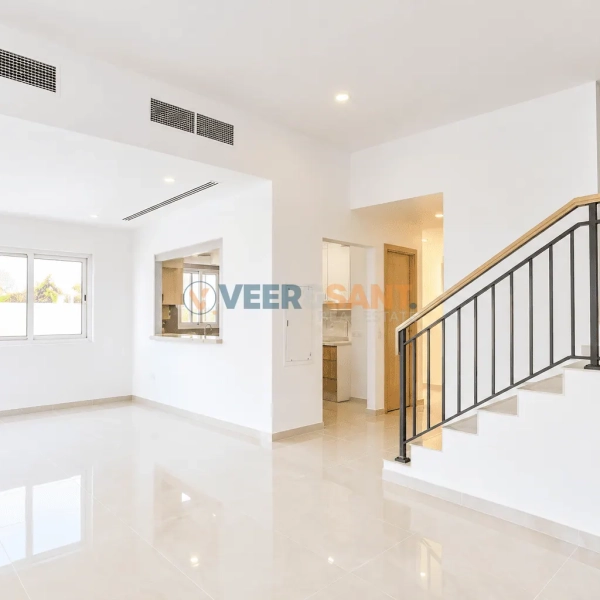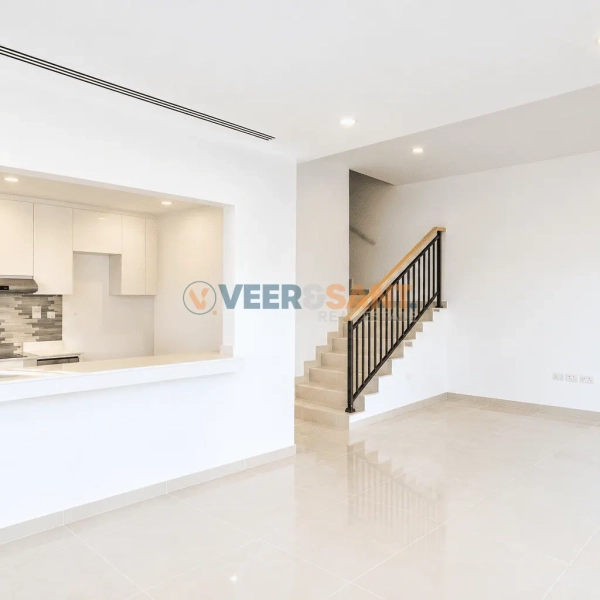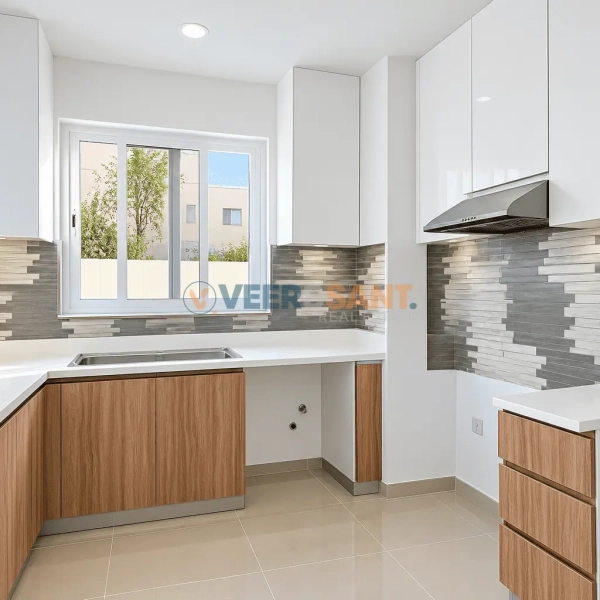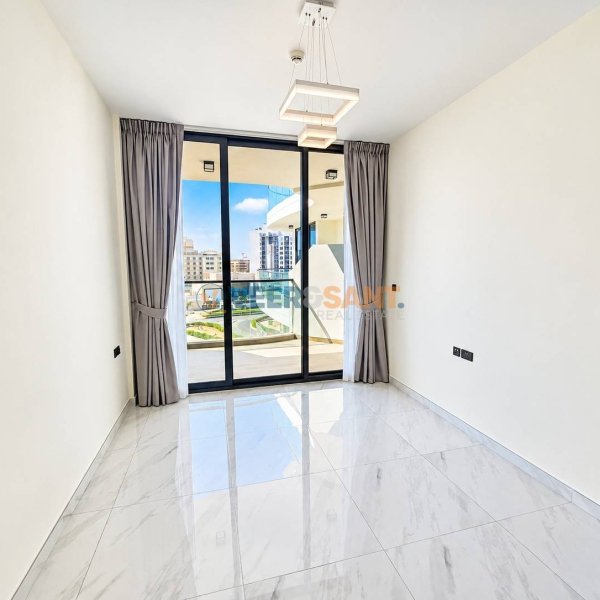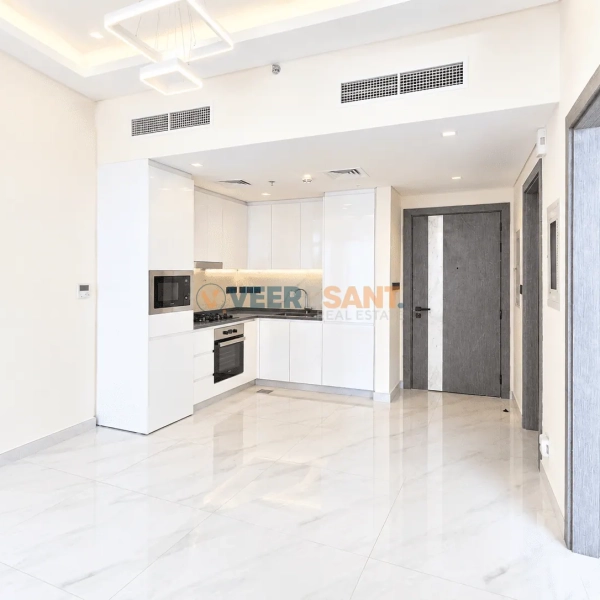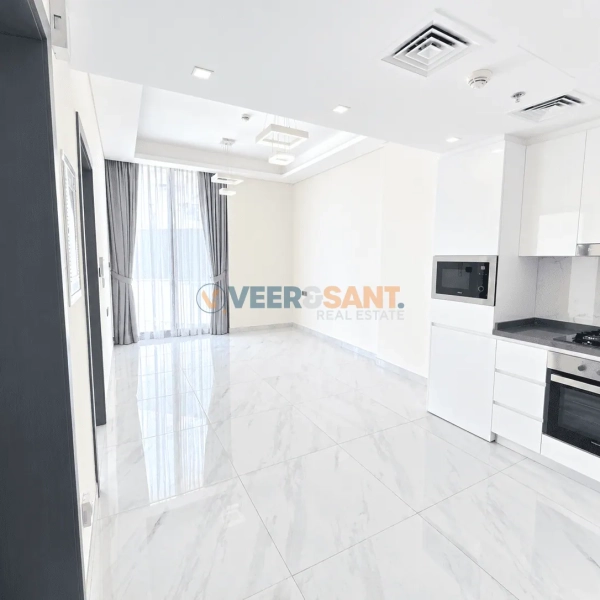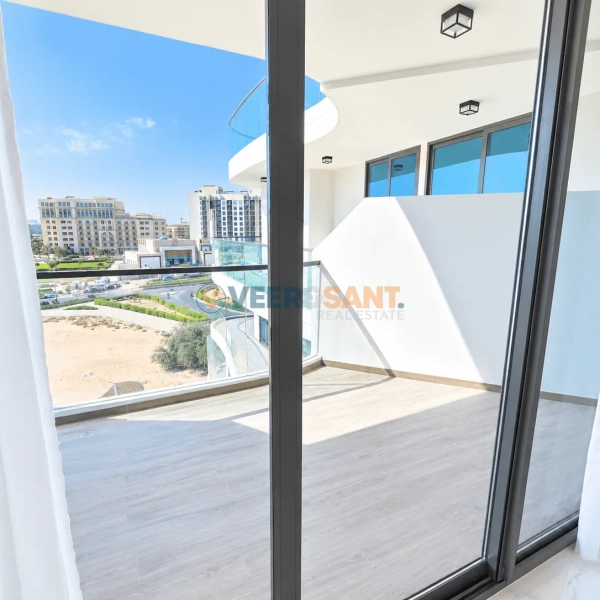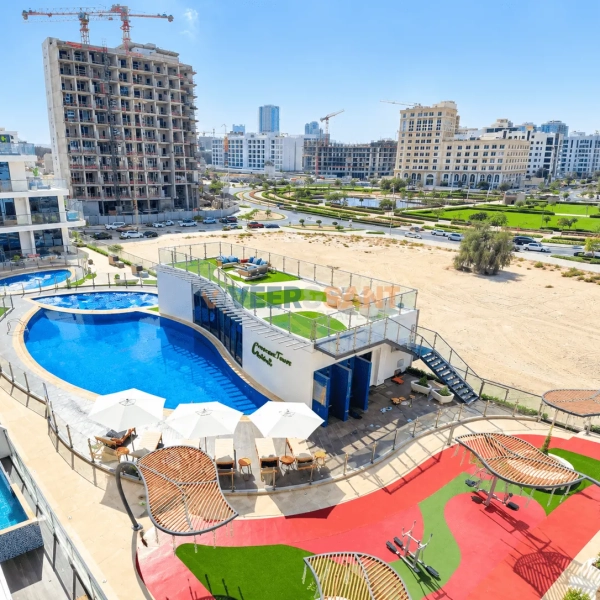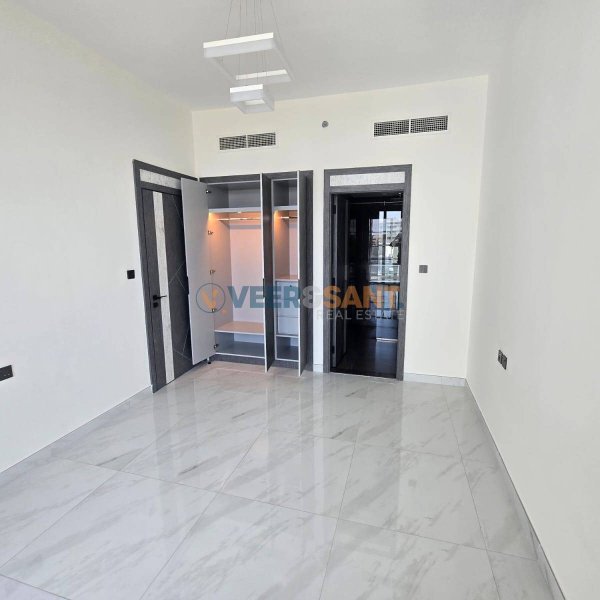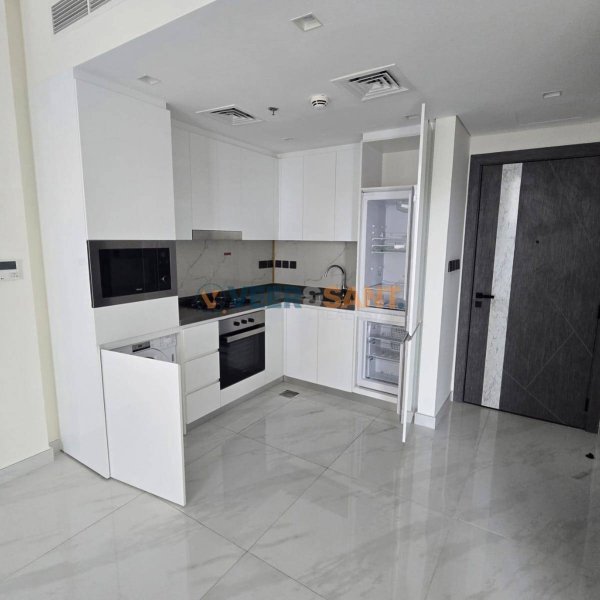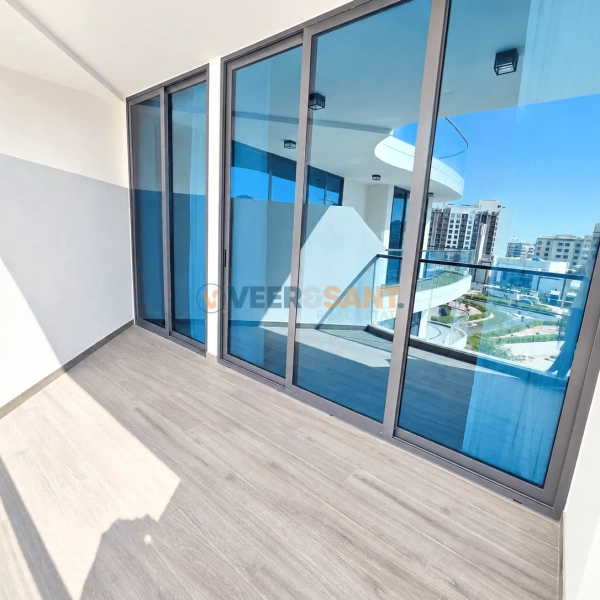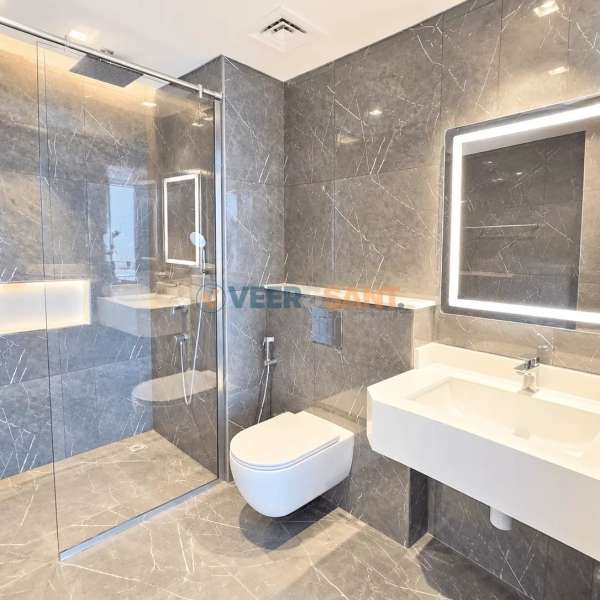

When it comes to snagging Dubai off-plan properties, Your developer just sent the handover notice. The photos look beautiful. The lobby smells new. And somewhere behind that perfect matte wall, there may be a slow leak that will cost you AED 30,000 in eighteen months.
This is the guide most buyers wish they had read before they signed.
Snagging is the inspection you do before you accept the keys, the process of finding and documenting every defect so the developer, not you, pays to fix them. Get it right and you hand the developer a list they are legally obliged to action. Get it wrong, or skip it, and you have quietly accepted the unit exactly as it is.
Below is the complete 2026 checklist, your legal protections, the timing trap that catches most first-time buyers, and a simple version if you only have ten minutes.
Quick answer: what is snagging in Dubai?
Snagging is a detailed inspection of a newly built property to identify defects, poor finishes, faulty MEP work, water ingress, misaligned fittings, which are then listed and submitted to the developer for rectification at their cost. In Dubai it is not legally mandatory, but defects you document in writing before signing the handover certificate remain the developer’s obligation. Defects you discover after signing are largely your problem. A professional inspection typically costs AED 500–1,200 for an apartment and AED 1,200–2,500+ for a villa, against a defect list that routinely runs into the dozens.
The simple snagging Dubai guide (if you only have 10 minutes)
If you read nothing else, do these five things:
- Do not sign the handover certificate on the day you first see the unit. You are usually given 14–30 days from the completion notice. Use them.
- Book an independent snagging inspection before you sign anything. Not the developer’s own walkthrough, an independent one.
- Get every defect in writing, with photographs, and submit it formally to the developer so it is time-stamped and on record.
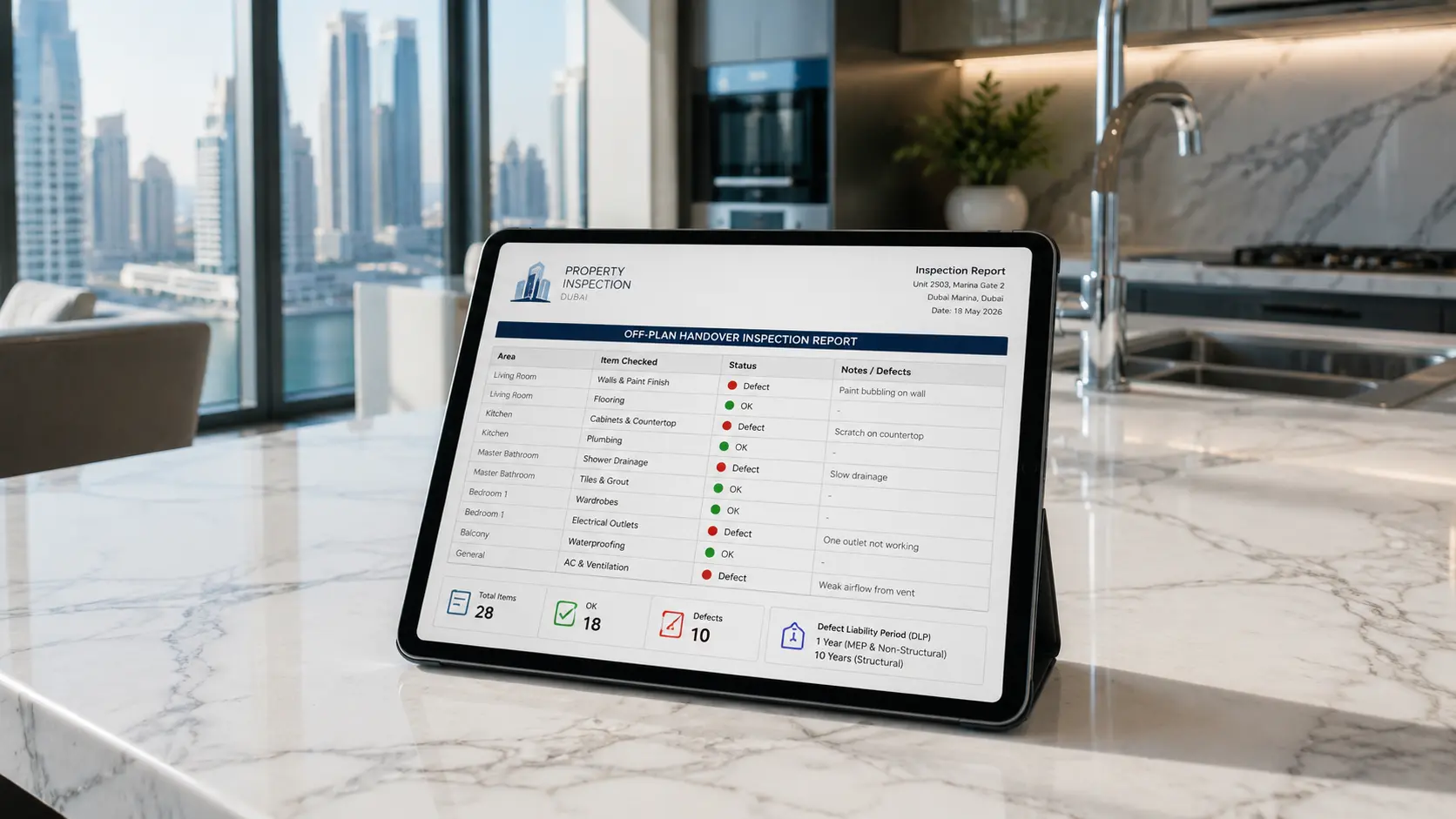
- Know your two clocks: roughly 1 year of cover for non-structural and MEP defects, and 10 years for structural issues.
- Re-inspect before the first year is up. This is the window where the developer still has money on the line (more on that below).
That’s the whole strategy. Everything after this is the detail that makes it work.
What’s actually changed for off-plan buyers in 2026
There is a lot of noise online claiming brand-new snagging laws. Here’s the accurate picture.
The core protections have not been rewritten, they’ve been enforced far more tightly, and that shift genuinely matters:
- Escrow drawdowns are now milestone-linked. Developers can only draw buyer funds from DLD-regulated escrow accounts against independently verified construction milestones, with regular published progress updates.
- Pre-sale thresholds are policed. Developers must complete 20% of construction before selling units, or deposit 20% of total project value into escrow as a guarantee.
- Standardised RERA contracts. Off-plan sale and purchase agreements must use RERA-approved templates, which limits a developer’s ability to bury unfair terms in the fine print.
- Transparency by default. You can track your project’s construction progress and, later, your title deed through the Dubai REST app and the DLD website.
What has not changed (but is widely misreported as new) is the 5% retention rule. It is not a 2026 statute. It comes from Article 14 of Law No. 8 of 2007, and it is the single most useful piece of leverage you have.
The 5% escrow retention: your hidden leverage
Here’s the mechanism almost no snagging article explains.
When a developer obtains the completion certificate for a project, the escrow agent must retain 5% of the total escrow value. That money is not released to the developer until one year after the units are registered in the purchasers’ names.
In plain terms: for a full year after handover, a meaningful slice of the developer’s revenue is sitting in an account they cannot touch, held specifically as a guarantee against defects that appear at completion or within that first year. And if a developer refuses to fix legitimate defects, RERA can authorise the use of those retained funds to bring in a third-party contractor.
Two consequences for you:
- Your leverage is highest in the first 12 months. A documented, formally submitted defect list carries real commercial weight during that window, because the developer wants those funds released cleanly.
- Silence is expensive. If you don’t document defects inside that year, the retention is released, the DLP lapses, and the same repair becomes a bill addressed to you.
This is why the timing of snagging matters more than the thoroughness of any single walkthrough.
Your legal protections, in order
| Protection | What it covers | How long |
|---|---|---|
| Snagging before sign-off | Any defect documented in writing before you sign | Until you sign the handover certificate |
| Defect Liability Period (DLP) | Non-structural and MEP defects — plumbing, electrical, AC, finishes | Minimum 1 year from handover / Building Completion Certificate |
| Decennial liability (Art. 880, UAE Civil Code) | Structural integrity of the building | 10 years from the completion certificate |
| 5% escrow retention (Art. 14, Law 8/2007) | Financial guarantee against defects at or within a year of completion | Released 1 year after unit registration |
Developers are typically expected to rectify standard defects within a 30–90 day window once a list is formally submitted.
Once your snags are rectified and title deed issued, securing reliable tenants quickly is the next priority. Exploring exclusive rental management with 6 months free PM allows you to seamlessly transition from handover to long-term rental yield without operational stress.
The handover timeline: where the trap is
- Developer obtains the Building Completion Certificate (BCC) from Dubai Municipality.
- You receive the completion / handover notice. From here you usually have 14–30 days to respond, settle the final instalment, inspect and take keys.
- You pay the final instalment and any outstanding dues.
- Snagging inspection happens — before signing. This is the step buyers skip when they feel rushed by the deadline.
- You sign the handover certificate and collect keys.
- DEWA activation, move-in permit, first service charge invoice.
- Oqood converts to title deed at the DLD, commonly a few weeks to a few months, and appears in your Dubai REST app.
The trap: steps 2 and 5 are compressed into a short window, and the developer’s handover appointment is often presented as a single sign-here-and-collect-keys event. Signing the handover certificate without a documented defect list is, in practice, accepting the unit as-is. You are allowed to inspect first. Ask.
The complete room-by-room snagging checklist
Print this. Walk the unit with it. The average off-plan unit produces a defect list far longer than owners expect.
Structural and general
- Cracks in walls, ceilings, screed or balcony slabs
- Doors and windows aligned, closing fully, sealing properly
- Floor levels — check for dips, hollow tiles (tap them), lippage between tiles
- Skirting continuous, sealed and level
- Paint finish: patchiness, roller marks, overspray, missed corners
- Ceiling height consistency and cornice alignment
- Balcony fall/drainage — water should run to the outlet, not pool or run inward
Doors, windows and glazing
- Every handle, lock, hinge and stopper functioning
- Window and sliding-door seals intact; no draughts or whistling
- Double glazing free of internal condensation or misting
- Safety glass markings present where required
- Main door: closes flush, peephole and lock aligned, fire rating intact
Electrical
- Every socket tested with a plug-in tester, not just visually
- All switches operate the correct fittings
- Distribution board labelled correctly, RCD/trip tested
- Light fittings, spotlights and downlights all working, no flicker
- TV, data and intercom points live
- Exposed or unterminated cabling anywhere
- Smoke detectors installed and functioning
Plumbing and water
- Run every tap hot and cold; check pressure and temperature
- Fill and drain every sink, bath and shower, check speed of drainage
- Flush every WC; check for rocking, silent leaks and cistern refill
- Check under every sink for damp, drips or unsealed joints
- Water heater functioning, pressure valve installed, no leaks
- Silicone sealing complete around baths, showers, basins and worktops
- Floor drains and shower falls, water must reach the drain
HVAC / air conditioning
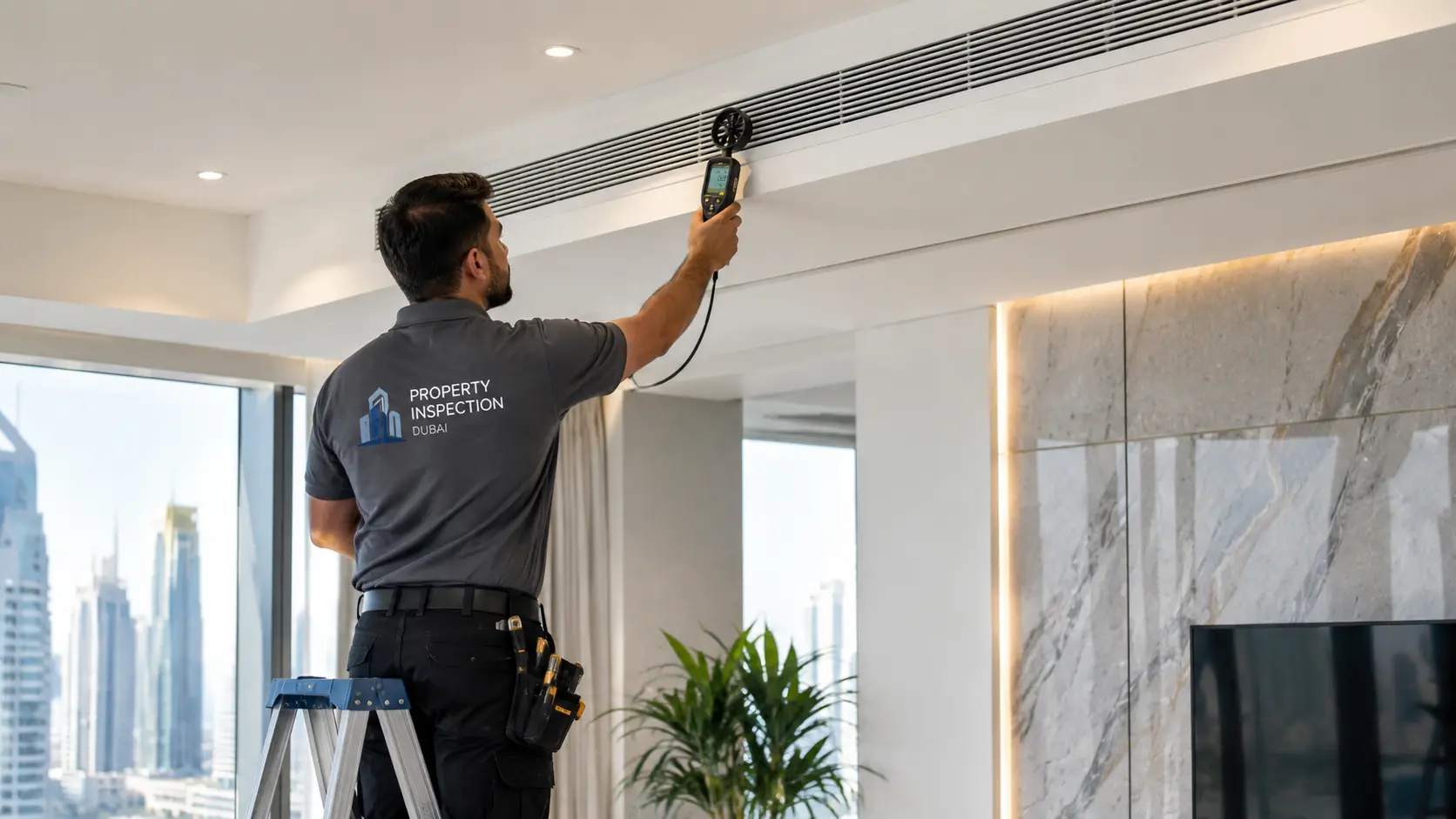
- Every unit cools to setpoint; check the actual air temperature at the vent
- Thermostats respond in every room
- No noise, rattle or vibration from the FCU
- Drainage pan and condensate line clear, this is a very common defect
- Filters present and clean
- Ducting insulated, grilles fixed and aligned
Kitchen
- All cabinet doors and drawers aligned, soft-close working
- Worktop joints sealed, no chips, level
- Appliances present, connected, tested and matching the specification
- Extractor hood venting properly
- Sink drainage and waste disposal
- Gas or electric connection safe and certified
Bathrooms
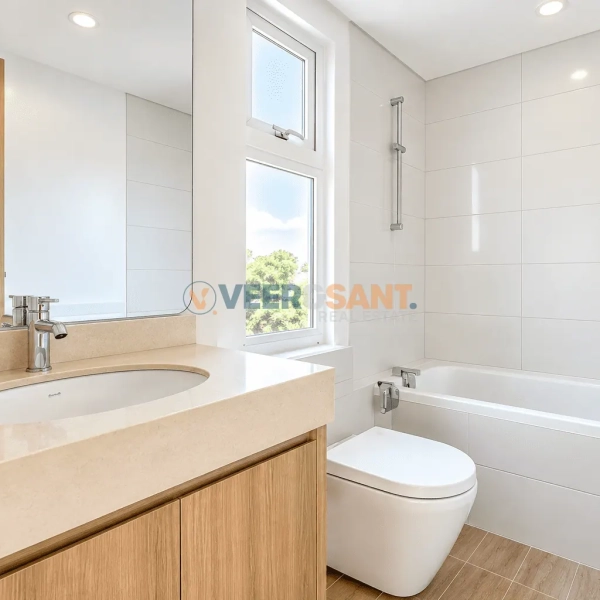
- Tile grouting complete, even and unstained
- Mirrors, towel rails and accessories fixed properly
- Extractor fan working
- Shower screen sealed and aligned
- No cracked or chipped sanitaryware
Finishes and joinery
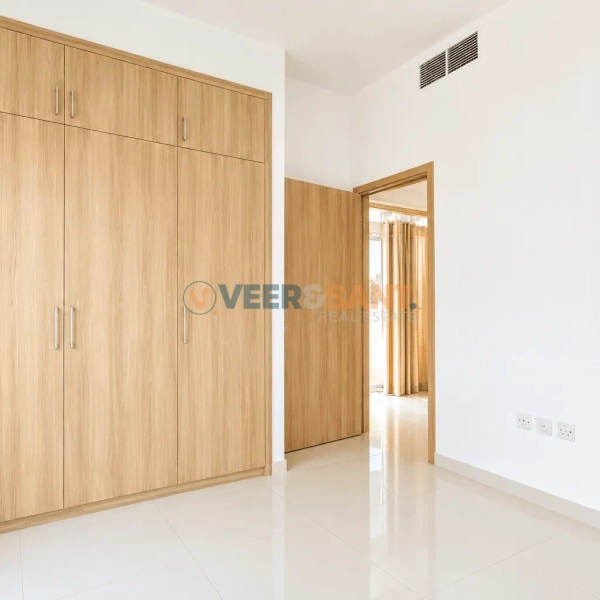
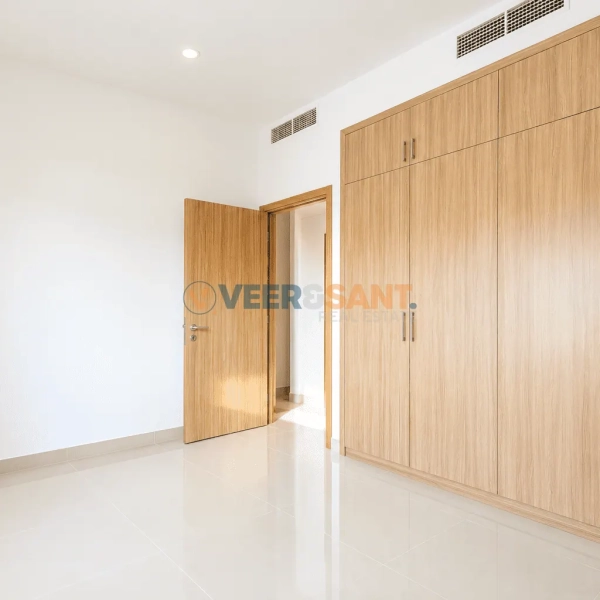
- Wardrobes: doors aligned, rails and shelves secure
- All handles and ironmongery matching and secure
- Any specification substitutions versus the SPA, check the brochure and contract
- Marks, scratches or chips on any surface
What only equipment finds
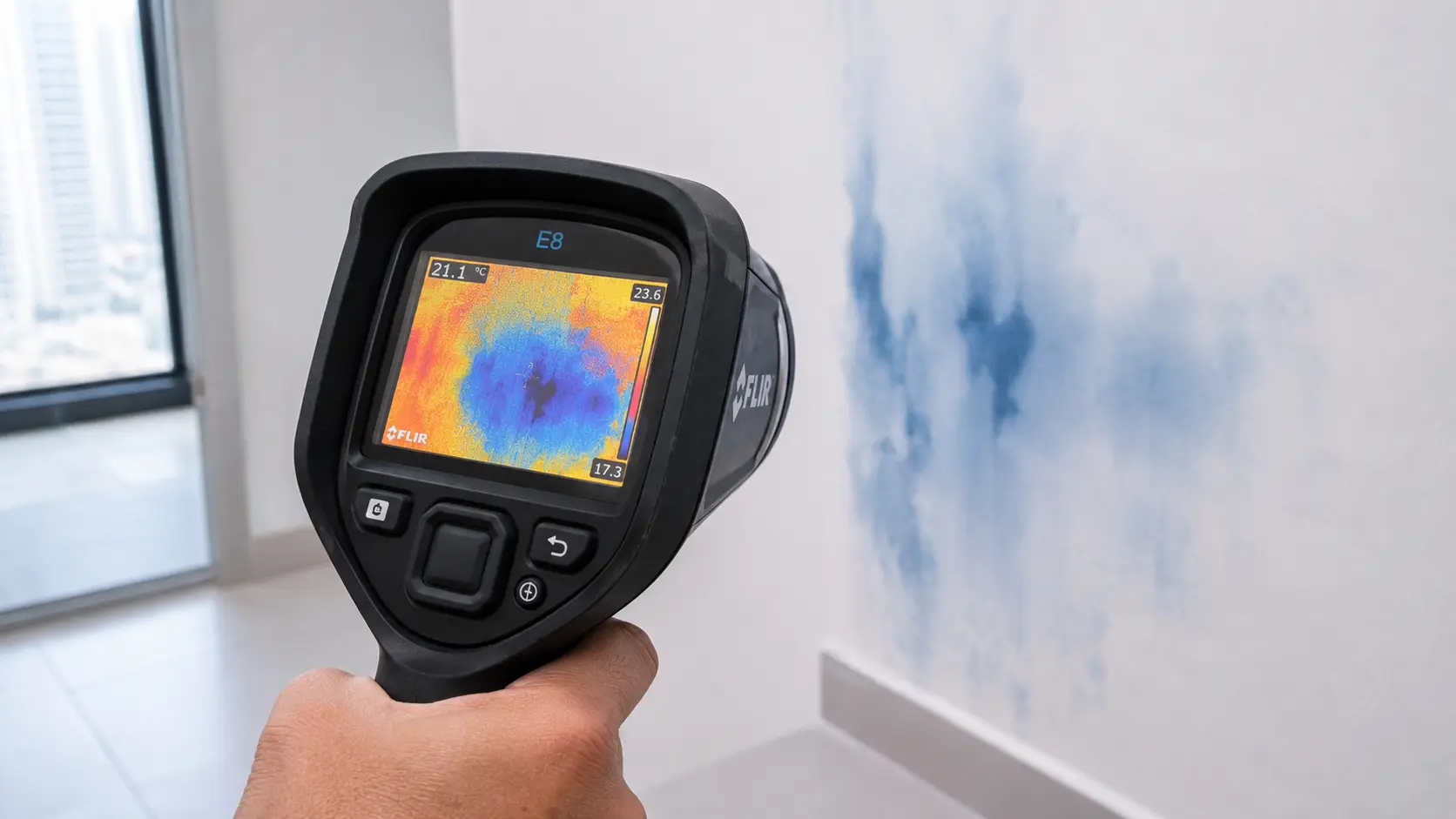
- Thermal imaging: hidden water ingress, moisture behind walls and ceilings, insulation gaps, overheating electrical points
- Endoscopic camera: blockages, construction debris, incorrect fittings inside pipes, drains and ceiling voids
- Damp meter: elevated moisture readings in walls and screed before any visible staining appears
This last category is the difference between a checklist and an inspection. A leak behind a wall shows no visual symptom until the damage is already done, and by then, your DLP may have expired.
What you’ll pay at handover
Budget beyond the final instalment:
- Title deed issuance: AED 250
- Map fee: AED 250
- Admin fee (off-plan): approx. AED 40, plus knowledge and innovation fees
- DEWA: refundable security deposit (higher for villas) plus an activation fee
- Move-in permit: usually free, but a refundable moving/security deposit of roughly AED 1,000–5,000 is common
- First service charge invoice
- Developer/OA NOC: confirms no outstanding dues and authorises the DLD transfer
- Snagging inspection: AED 500–1,200 apartment, AED 1,200–2,500+ villa
Set aside a genuine contingency, utility deposits and the first service charge invoice are the items that surprise people most.
Title deed issuance registers your absolute ownership with DLD. To fully safeguard your newly acquired real estate asset against local succession laws, structuring a registered UAE Will (ADJD) is a vital protective step for non-Muslim investors.
Five mistakes that cost buyers the most
- Signing on the spot because the appointment felt final. It isn’t.
- Accepting a verbal promise that something will be fixed. If it isn’t in writing and formally submitted, it doesn’t exist.
- Only checking what’s visible. The expensive defects are behind walls and inside pipes.
- Letting the year run out. No re-inspection before the DLP closes means every future repair is yours.
- Sending a relative to “have a look” when you live abroad. Goodwill is not documentation.
If you’re buying from overseas
Most off-plan buyers in Dubai don’t live in Dubai. You do not need to fly in to protect yourself, through dedicated overseas property management, you have someone on the ground acting for you, not the developer.
A proper remote handover looks like this: an independent inspection carried out on your behalf, a photographed defect report categorised by severity delivered to you within 24–48 hours, formal submission to the developer, and a re-inspection to confirm every item was actually resolved. You approve; you don’t attend.
Frequently asked questions
Is snagging mandatory in Dubai?
No. There is no law requiring a snagging inspection. But signing the handover certificate without one means accepting the property in its current condition, so in practice it is the most important optional step in the entire purchase.
How much does a snagging inspection cost in Dubai?
Typically AED 500–1,200 for a standard apartment and AED 1,200–2,500+ for villas and larger units. Against a single hidden leak costing AED 15,000–40,000 to remediate later, it is among the cheapest insurance in the transaction.
How long is the Defect Liability Period in Dubai?
Non-structural and MEP defects are generally covered for a minimum of one year from handover or the Building Completion Certificate. Structural integrity is covered for ten years under Article 880 of the UAE Civil Code.
Can I refuse to sign the handover certificate?
You can decline to sign until defects are documented. The practical approach is not refusal but sequencing, inspect first, submit the defect list formally, then sign with your list on record. Check your SPA for the specific terms that apply to your purchase.
What happens if the developer refuses to fix the defects?
Escalate formally in writing. Because 5% of the project’s escrow value is retained for a year after completion, RERA can authorise the use of those funds to appoint a third-party contractor where a developer fails to act.
How long does the developer have to fix snags?
Standard defects are commonly rectified within a 30–90 day window after a list is formally submitted, though this varies by developer and by the severity of the item.
Should I snag before or after paying the final instalment?
The final instalment is usually due as part of the handover process. Aim to inspect before you sign the handover certificate — that signature, not the payment, is what closes your window.
What if I find defects after I’ve moved in?
You are still covered by the DLP for non-structural and MEP issues for at least a year, and by decennial liability for structural issues for ten years. Report in writing immediately and keep the record.
Get your handover inspected properly
Veer & Sant is a RERA-licensed team based in Dubai. We inspect with thermal and endoscopic cameras, photograph and categorise every defect by severity, deliver your report in 24–48 hours, and then track each item with your developer through re-inspection until it is resolved. We schedule within 48 hours of your handover date.
Send us your handover date and unit details, and we’ll tell you exactly what your inspection should cover.