
The 10 Best Countries for Property Investment in 2026 (And Why the UAE Still Leads)
Buying property abroad is a big decision. The country you choose matters as much as the building you buy.
We looked at the markets investors ask us about most and compared them on the things that actually affect your return: rental income, taxes, price growth, how easy it is to sell, and whether the purchase gets you a visa.
Here is our ranking for 2026, with the numbers behind each one.
How We Ranked These Countries
Every list like this needs rules. Here are ours. We scored each country on five things:
- Rental yield — how much rent you earn each year compared to what you paid
- Tax — what the government takes from your rent and your profit when you sell
- Price growth — whether values are going up, flat, or falling
- Visa or residency — whether buying property helps you live there
- Ease of buying and selling — how simple the process is for a foreigner
One thing to know before you read on: gross yield is not what you keep. Service charges, empty months, management fees and repairs usually take 1.5 to 3 percentage points off the headline number. We flag this for every country.
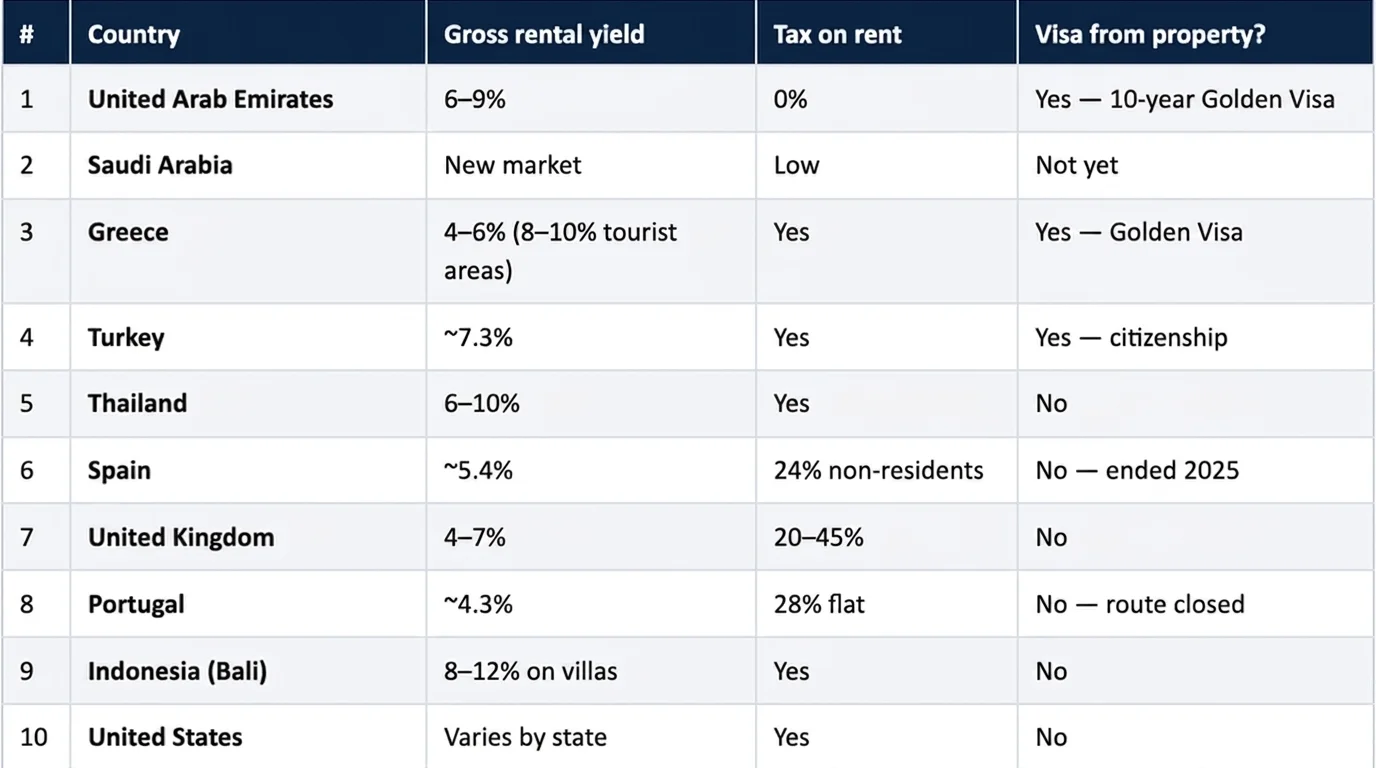
Quick Comparison: Best Countries for Property Investment in 2026

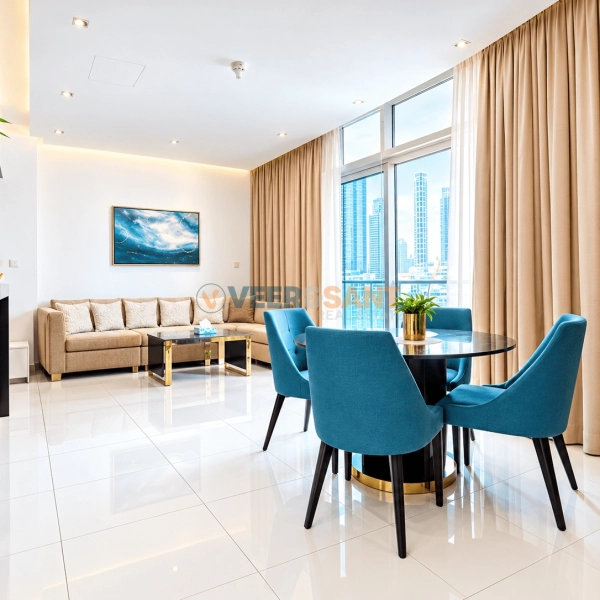
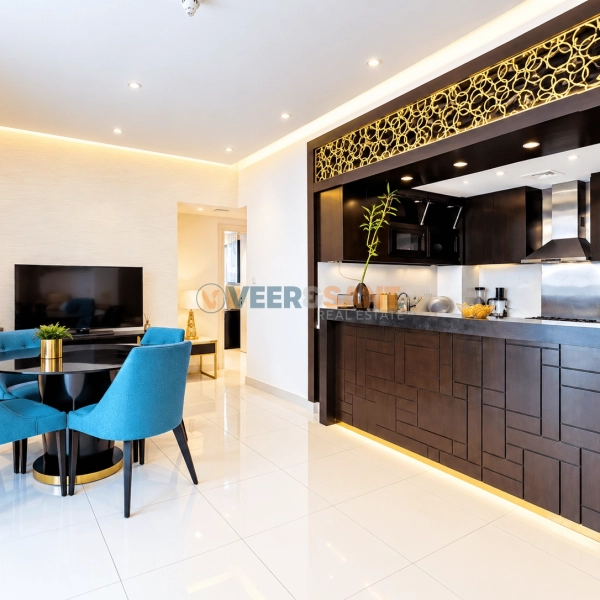
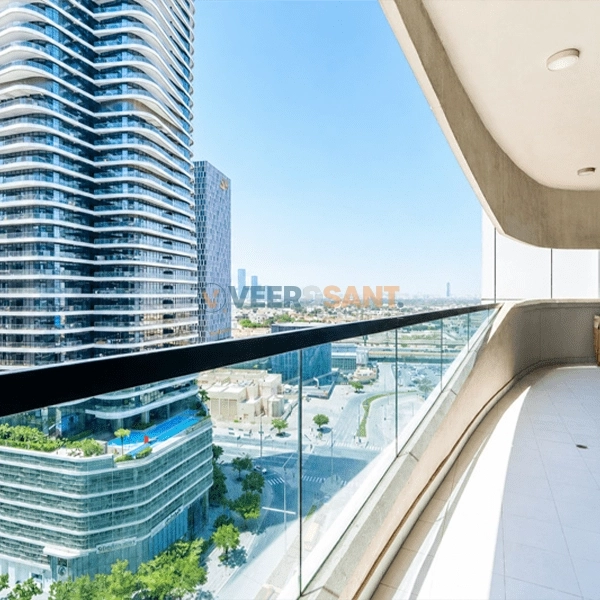
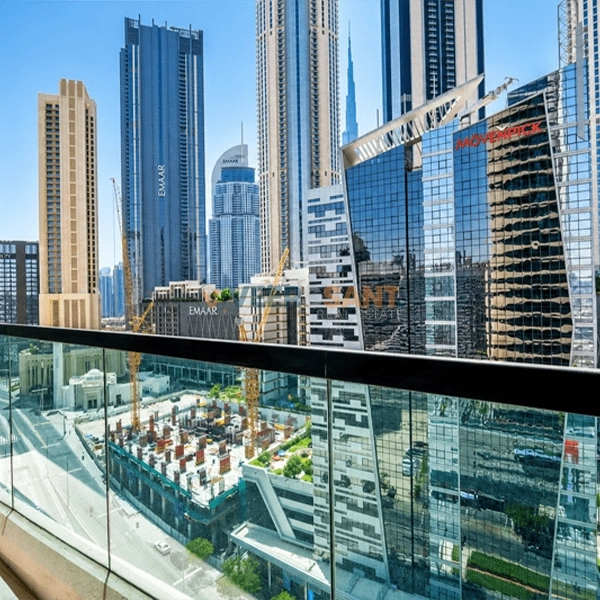
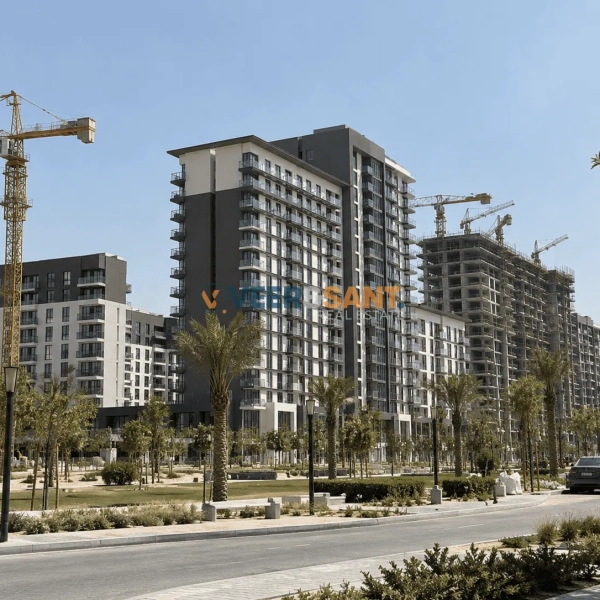
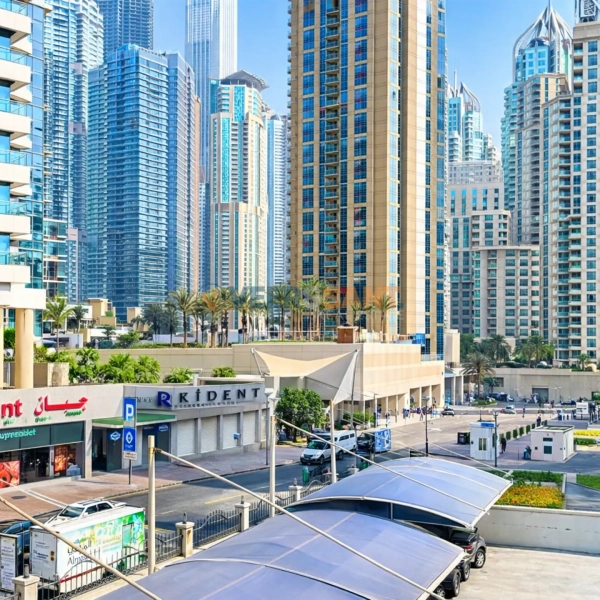
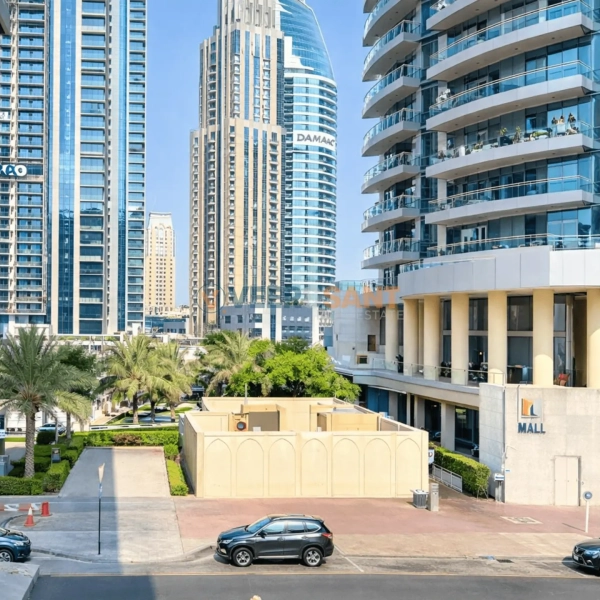
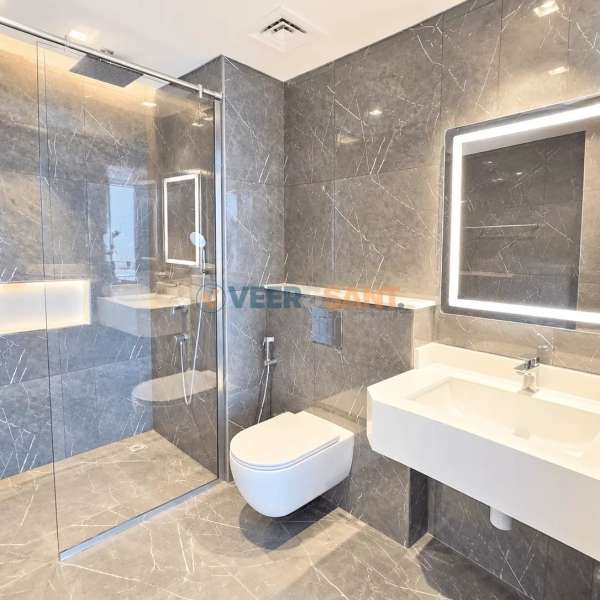
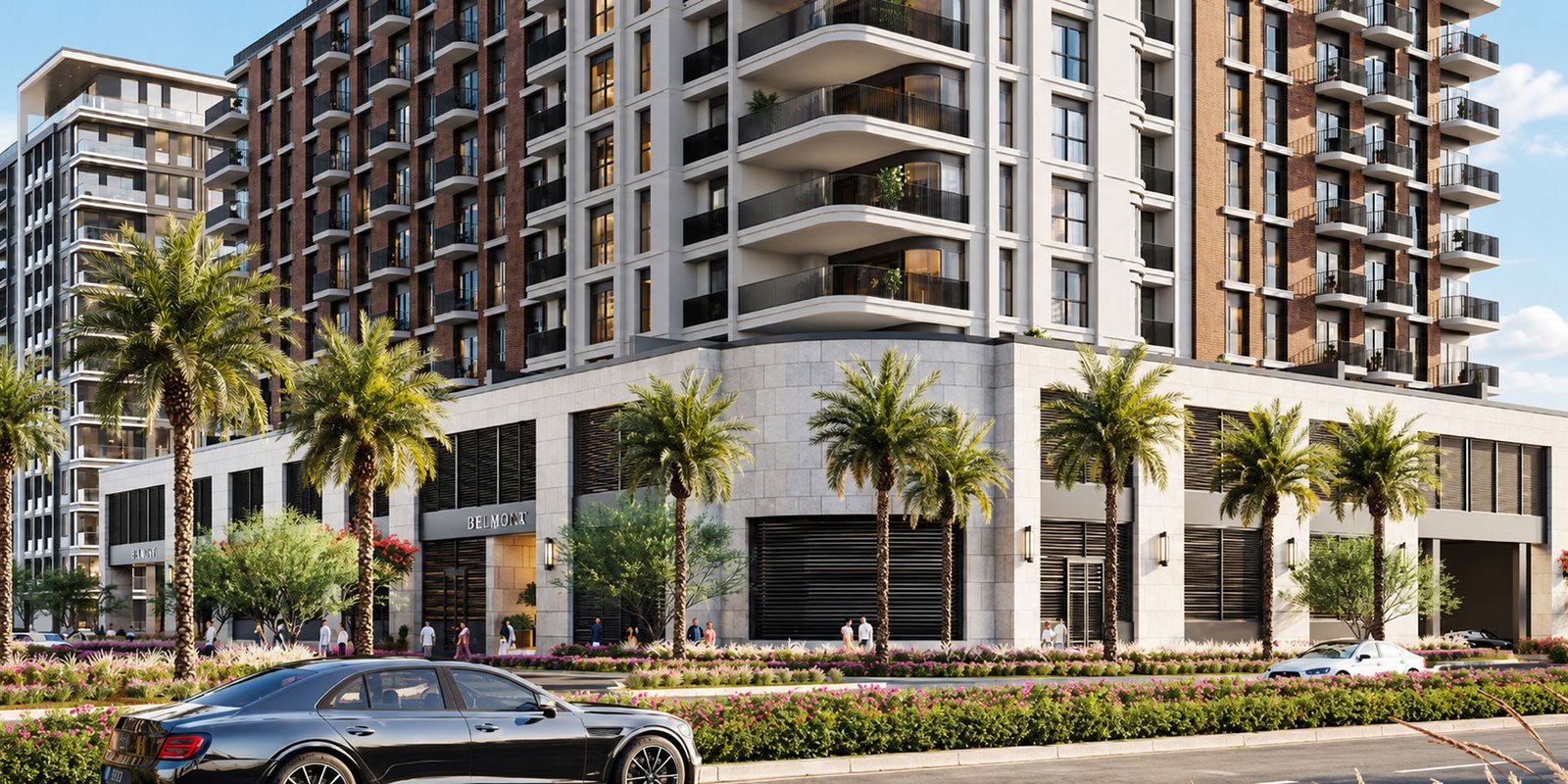
1. United Arab Emirates — Best Overall
The UAE takes first place, and it is not close.
Why the UAE ranks first
You keep everything you earn. There is no annual property tax in the UAE. No tax on rent. No capital gains tax when you sell. Compare that to Portugal, where the government takes 28% of your rent, or the UK, where rental profit is taxed at your normal income rate, up to 45%.
You do pay a one-off 4% transfer fee to the Dubai Land Department when you buy. That is it.
The rental demand does not run out. Around 88% of the people living in the UAE were born somewhere else. That is the highest share of any country in the world. Because most residents cannot become citizens, they rent, often for decades. Your tenant pool refills itself.
Dubai passed 4 million residents for the first time recently. In some weeks the city has added more than 5,000 new people.
Buying property can get you a 10-year visa. Spend AED 2 million (about USD 545,000) on property and you can apply for the UAE Golden Visa. It lasts 10 years, renews, and lets you sponsor your husband or wife and your children. You do not need an employer. You do not need to live there for a minimum number of days.
A big rule changed in February 2026: the old requirement to have paid 50% of the property in cash was removed. Mortgaged and off-plan homes now count based on the official Land Department valuation. In plain terms, qualifying now needs a lot less cash than it did a year ago.
What the market looks like right now
Dubai recorded roughly 86,000 to 88,000 property sales worth AED 286–292 billion in the first half of 2026. That is the second-best six months in the city’s history, behind only the same period in 2025.
- Average home values rose about 9% in the first half of 2026
- Price per square foot rose about 6.7% compared to a year earlier
- 296 homes sold for more than USD 10 million in the first half of the year, up 16% on last year
Abu Dhabi is quieter but growing faster in percentage terms. Sales there hit AED 117 billion in the first half of 2026, up 112% on the year before. Rental yields in the capital reached about 8.9%.
What to watch out for
We are not going to pretend the UAE has no risks.
Rents are falling. Dubai residential rents dropped 6.2% in the second quarter of 2026, according to CBRE. Rents are still higher than a year ago, but tenants now have room to negotiate for the first time in years.
A lot of new homes are coming. Around 77,500 units are scheduled to be finished in Dubai in 2026, though historically only about half of scheduled homes actually complete on time. 2027 is the bigger test, with estimates ranging from 70,000 to 146,000 units.
The risk is not spread evenly. Cheaper apartment areas like JVC, International City and Dubai Silicon Oasis have the most new supply coming, and those are exactly the areas advertising the highest yields. Villas, waterfront homes and branded residences have far less new supply.
Our honest view: 2026 is a good year to buy the right property in the UAE and a bad year to buy the wrong one. The tax advantage and the visa are real. The area you choose matters more than it did two years ago.

2. Saudi Arabia — Best New Opportunity
Saudi Arabia opened its property market to foreigners on 22 January 2026. This is the first time non-Saudis have been able to buy freely.
What you can buy: Full ownership is allowed in approved zones, which include areas of Riyadh and Jeddah. Long leases and other rights are also available. Foreign residents can own one home.
What you cannot buy: Makkah and Madinah have tight restrictions. Ownership there is mostly limited to Muslim buyers and specific approved companies.
Why it is interesting: Saudi Arabia is spending heavily under its Vision 2030 plan, and this is the first year outsiders can take part in the property side of it.
Why it is second, not first: There is almost no track record. Nobody has bought, held and sold a home in Saudi Arabia as a foreign investor yet, because the law is months old. There is no long-run rental data. If something goes wrong, there are few people who have been through it before you.
This is a market for investors who can afford to be early and wait. If that is not you, the UAE next door gives you a similar region with 20 years of data behind it.

3. Greece — Best for EU Residency
Greece is the strongest remaining way to get European residency by buying property.
Rental yields run 4% to 6% in Athens and Thessaloniki. Popular holiday islands can reach 8% to 10%, though those earnings are seasonal.
The Golden Visa now has three price levels:
- €800,000 in Athens (Attica), Thessaloniki, Mykonos, Santorini and the larger islands
- €400,000 in the rest of Greece
- €250,000 for restoring a listed building or converting a commercial property into homes
That €250,000 route is the interesting one. It is the cheapest path to EU residency left, but it means taking on a renovation project — not something to do remotely without a trusted team on the ground.
The catch: Greek property taxes apply, the buying process is slower than the Gulf, and selling takes longer.

4. Turkey — Best for a Second Passport
Turkey is the only country on this list where buying property can get you full citizenship, not just residency.
The deal: Invest USD 400,000 in property and hold it for three years. You can combine several properties to reach the total. You get a Turkish passport.
Rental yields average around 7.3%, among the highest in this list. Istanbul often quotes 7% to 10%.
What changed in 2026: The USD 400,000 threshold did not move, but the checks did. There are stricter document requirements and closer audits of holding periods.
The catch: The Turkish lira has a long history of losing value. Your rent is paid in lira. If the currency falls faster than your rent rises, your real return in dollars or euros shrinks. Many investors treat the passport as the main prize and the rental income as a bonus.

5. Thailand — Best for Holiday Rental Income
Thailand offers strong income, especially in tourist areas. Expected yields sit around 6% to 10%.
How ownership works: Foreigners can own condominium units outright, as long as foreigners hold no more than 49% of a building. Land is different, foreigners generally cannot own it directly and use long leases instead.
Best for: Investors who want holiday rental income and are comfortable with a market that moves with tourism.
The catch: Tourist income is seasonal and drops sharply during global disruptions. Managing a short-let property from abroad requires a good local agent, and their fee comes out of your yield.
6. Spain — Best for Steady European Growth
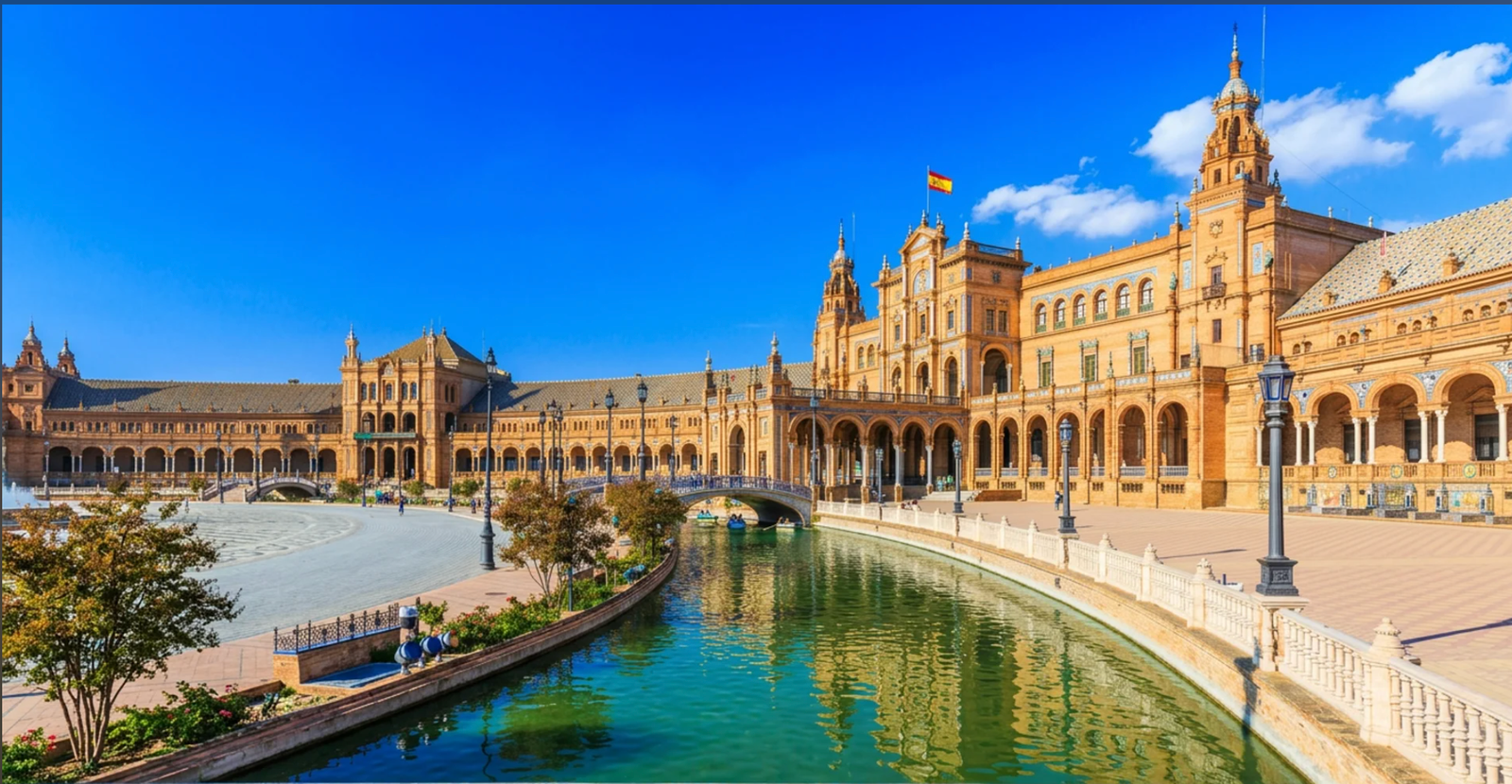
Spain has real demand, good weather and a deep rental market. Yields average about 5.4%.
The big change: Spain ended its Golden Visa for property buyers in April 2025. Buying a home in Spain no longer gets you residency. The government said the programme was making housing unaffordable in big cities, 94% of those visas had been tied to property.
Tax: Non-residents pay a flat 24% on rental income. Capital gains are taxed between 19% and 28% depending on the size of the gain and how long you held.
Best for: Buyers who want a home in Spain for lifestyle reasons and are happy to rent it out. As a pure investment, the tax and the loss of the visa make it a harder case than it was three years ago.
7. United Kingdom — Best for Safety and Easy Selling
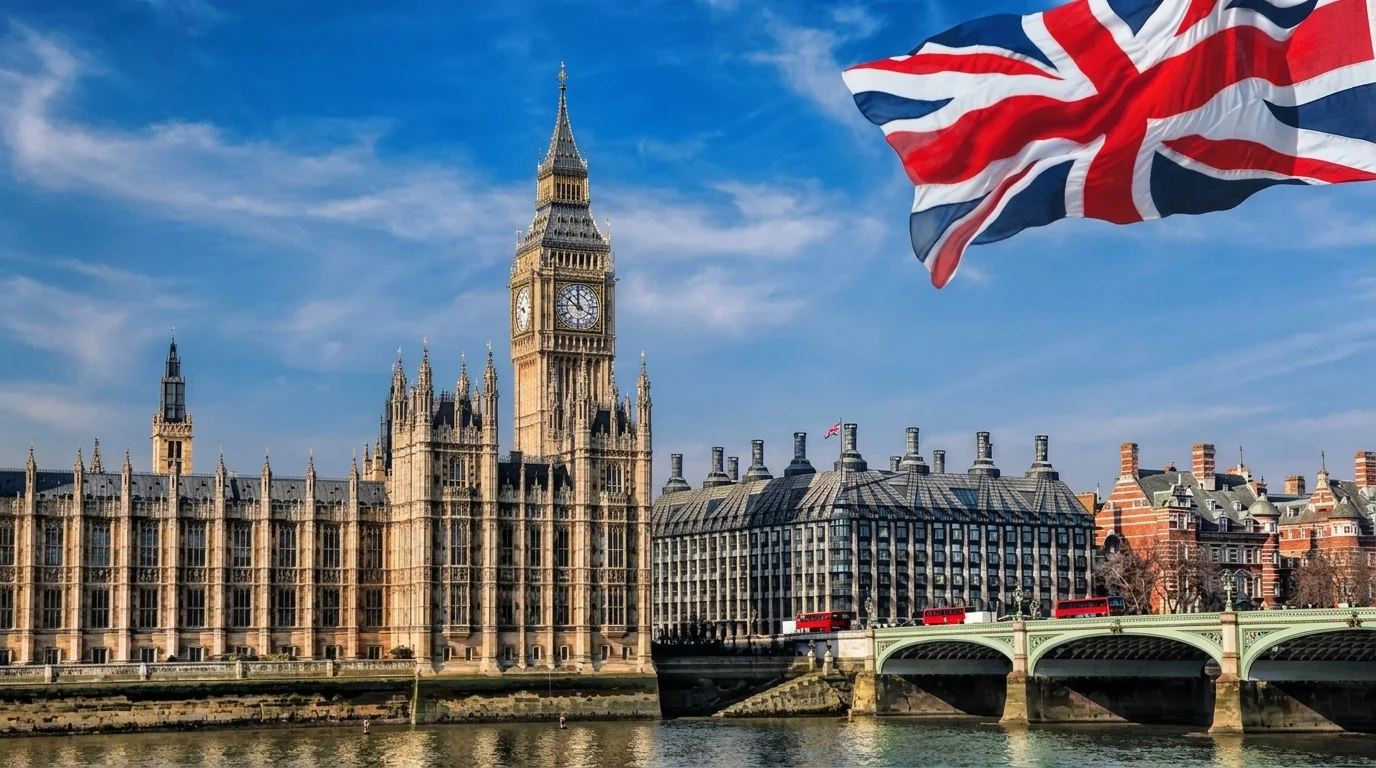
The UK is the most predictable market on this list. Property law is clear, records are public, and you can usually sell when you want to.
Yields run 4% to 7% gross. London and the prime South East sit at the bottom of that range. Cities like Manchester, Birmingham, Leeds and Glasgow sit at the top.
Tax is the problem. Rental profit is taxed at your normal income rate, 20%, 40% or 45%. When you sell, capital gains tax on residential property is 18% or 24%. Non-residents pay UK capital gains tax too.
Best for: Investors who value safety and easy exit more than maximum return. If you want to be able to sell quickly in a bad year, the UK is where you can.

8. Portugal — Best for Long-Term Living
Portugal is a wonderful place to live. As a 2026 investment, it is weaker than its reputation suggests.
Yields average about 4.3%, the lowest on this list.
The property route to the Golden Visa closed in 2023. Buying a home in Portugal no longer leads to residency. The programme still exists, but through investment funds rather than property.
Tax: Rental income is taxed at a flat 28%.
Best for: People planning to actually live in Portugal. If you are buying purely for return, the numbers do not support it.

9. Indonesia (Bali) — Best for High Risk, High Return
Well-run villas in Bali can return 8% to 12%. Those are among the highest numbers you will find anywhere.
The catch is ownership. Foreigners cannot own land outright in Indonesia. You use long leases or a right-to-use title, and both have limits and renewal dates. Some structures used to get around this carry real legal risk.
Best for: Experienced investors with good local lawyers who understand exactly what they are buying.
Not for: A first purchase abroad.

10. United States — Best for Large Portfolios
The US has the deepest property market in the world. There is always a buyer, always financing, and reliable data on every neighbourhood.
What holds it back for overseas investors: annual property taxes are charged in every state, often around 1% to 2% of the property value every year. That comes straight off your return before you count income tax. Rules also change from state to state, so you are really choosing a city, not a country.
Best for: Investors with large portfolios who want scale, liquidity and easy borrowing, and who have proper US tax advice.
Which Country Is Right for You?
Pick the row that sounds like you.
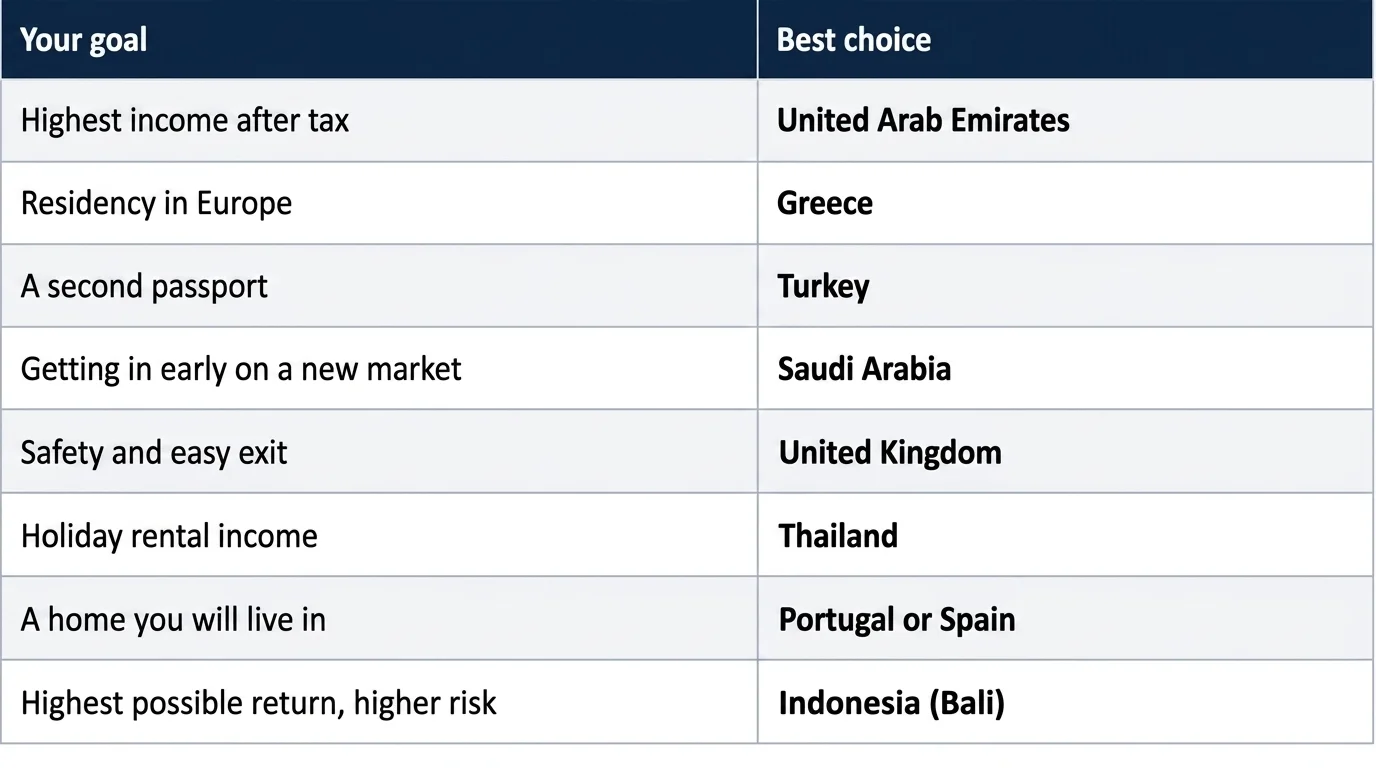
Most investors we work with end up in two markets, not one. A common pairing is the UAE for income and tax efficiency, plus a European market for residency.
FAQ
Which country is best for property investment in 2026?
The United Arab Emirates ranks first for most investors. It combines gross rental yields of 6–9% with zero tax on rent, zero capital gains tax, and a 10-year Golden Visa available at AED 2 million of property value. No other major market offers all three together.How much do I need to invest for a UAE Golden Visa?
Which country has the highest rental yields?
Bali villas can return 8–12%, and Thailand reaches 6–10% in tourist areas, but both come with ownership restrictions and higher risk. Among markets where foreigners can own property outright, the UAE leads at 6–9%, with Abu Dhabi reaching about 8.9% in the first half of 2026.
Can I still get residency by buying property in Europe?
Greece is the main option left. Its Golden Visa needs €800,000 in Athens, Thessaloniki and popular islands, €400,000 in most other areas, or €250,000 for restoring listed buildings. Spain closed its property Golden Visa in April 2025, and Portugal removed the property route in 2023.
How much do I need to invest for a UAE Golden Visa?
AED 2 million in property value, based on the Dubai Land Department’s official valuation. Since February 2026, mortgaged and off-plan properties count too, without the old 50% cash requirement. You can combine several properties to reach the total.
Which countries have no property tax?
The UAE charges no annual property tax, no tax on rental income and no capital gains tax. There is a one-time 4% transfer fee when you buy. This is the biggest single difference between the UAE and European markets, where 24–28% of your rent typically goes to tax.
Is it safe to buy property in Saudi Arabia now?
Foreign ownership became legal on 22 January 2026 in approved zones including parts of Riyadh and Jeddah. The law is real and the opportunity is genuine, but there is no track record yet, no foreign investor has completed a full buy-hold-sell cycle. It suits early investors with patience, not first-time buyers abroad.
Should I buy off-plan or a ready property?
Off-plan makes up roughly 69–71% of Dubai sales and offers payment plans and lower entry prices, but you wait for delivery, and only about half of scheduled 2026 handovers are expected on time. Ready property pays you rent from day one. Choose off-plan for growth, ready for income.
Ready to Look at the Numbers for Yourself?
Rankings are a starting point. The right property for you depends on your budget, your timeline and whether you want income, growth or a visa.
We help overseas investors buy in the UAE ( Dubai and Abu Dhabi ) and we will be straight with you about what a property will actually return.
Here is what you get on a free call with us:
- A shortlist matched to your budget and goal
- Net yield figures, with service charges and vacancy assumptions shown
- Real rents achieved in the last 90 days for comparable units
- An honest view on supply risk in any area you are considering
- A clear answer on whether your budget reaches the Golden Visa threshold
No pressure and no obligation. If the UAE is not right for you, we will tell you.