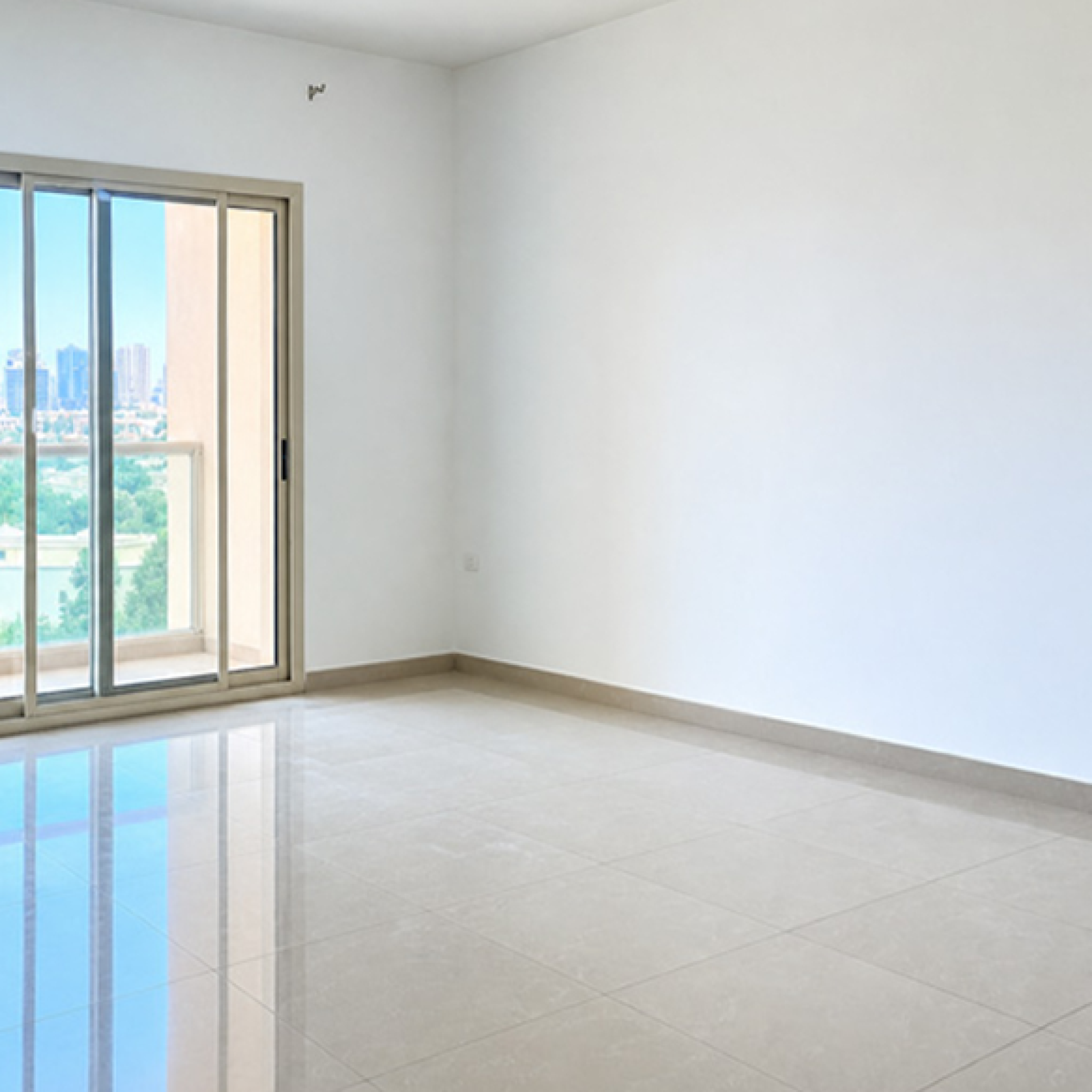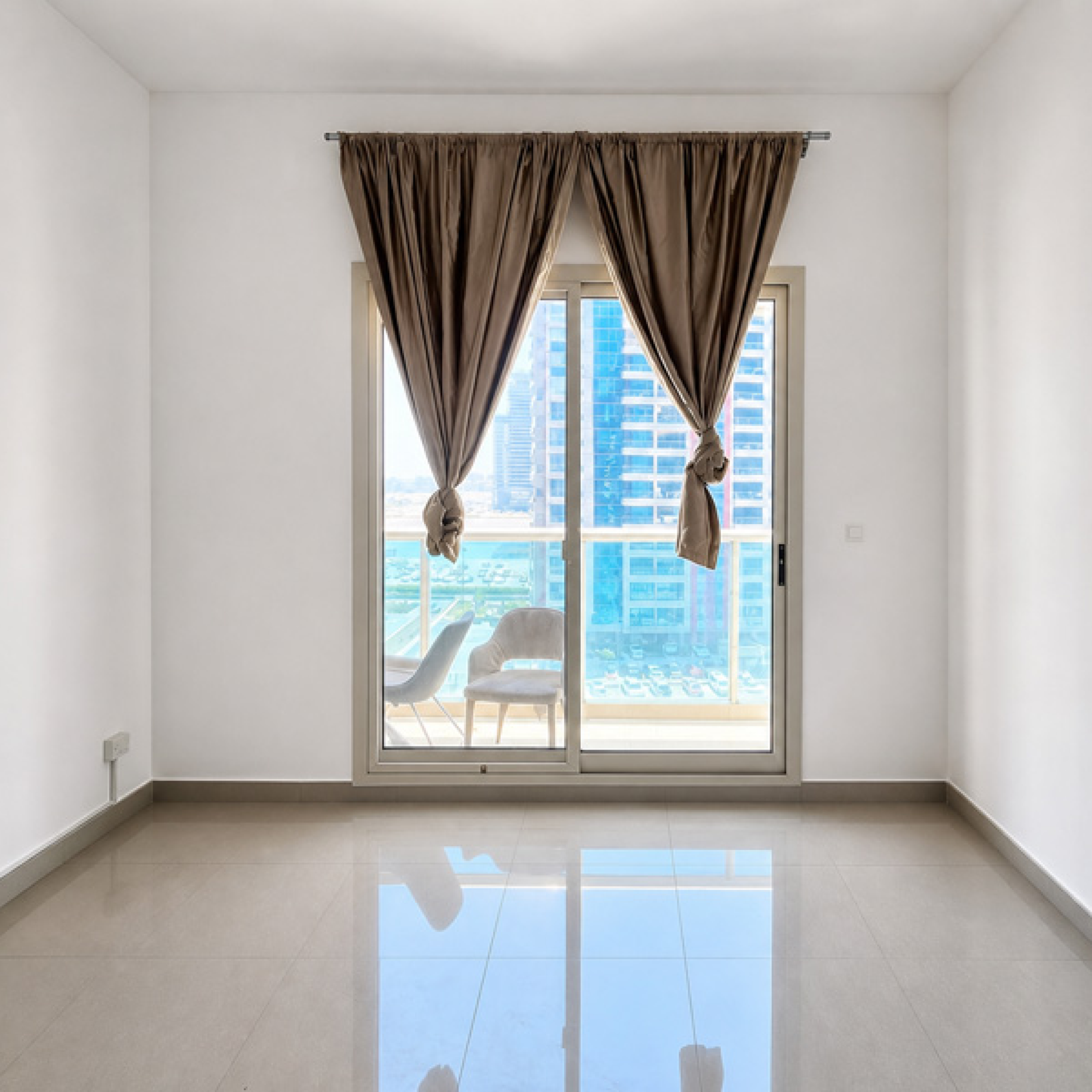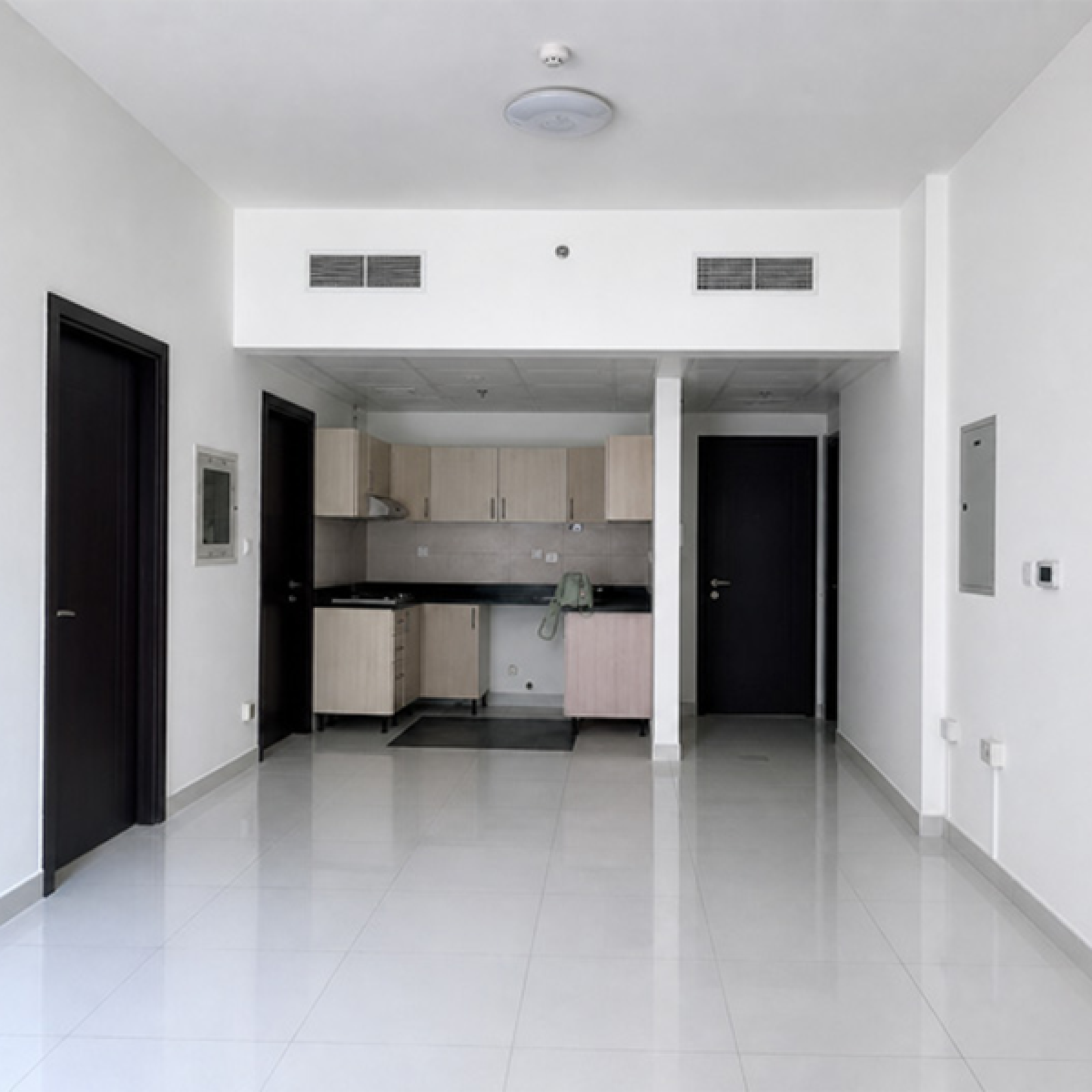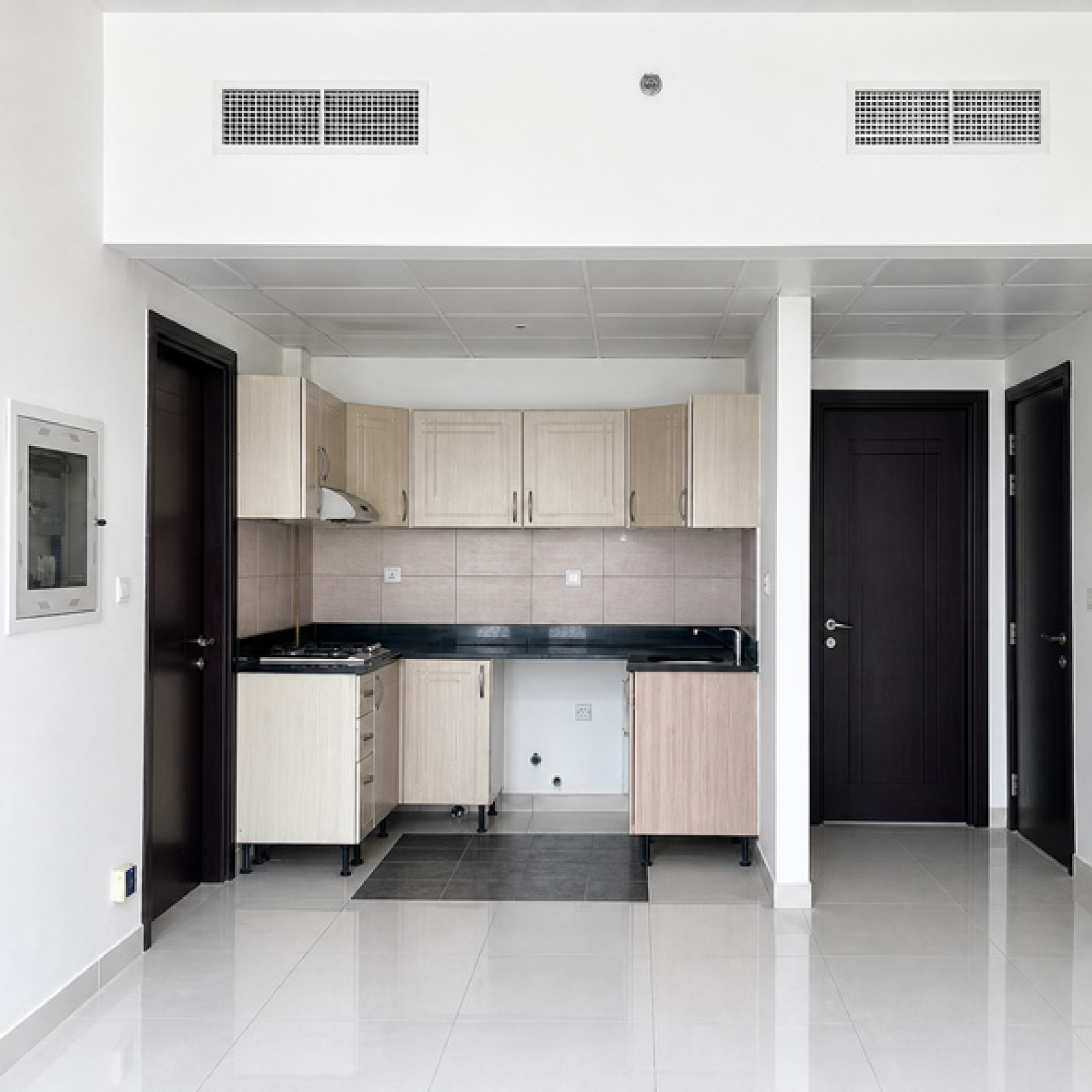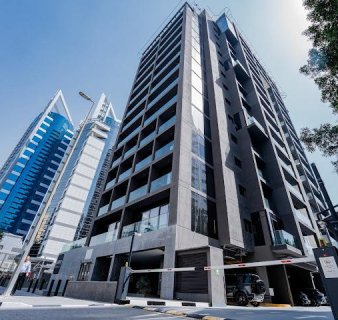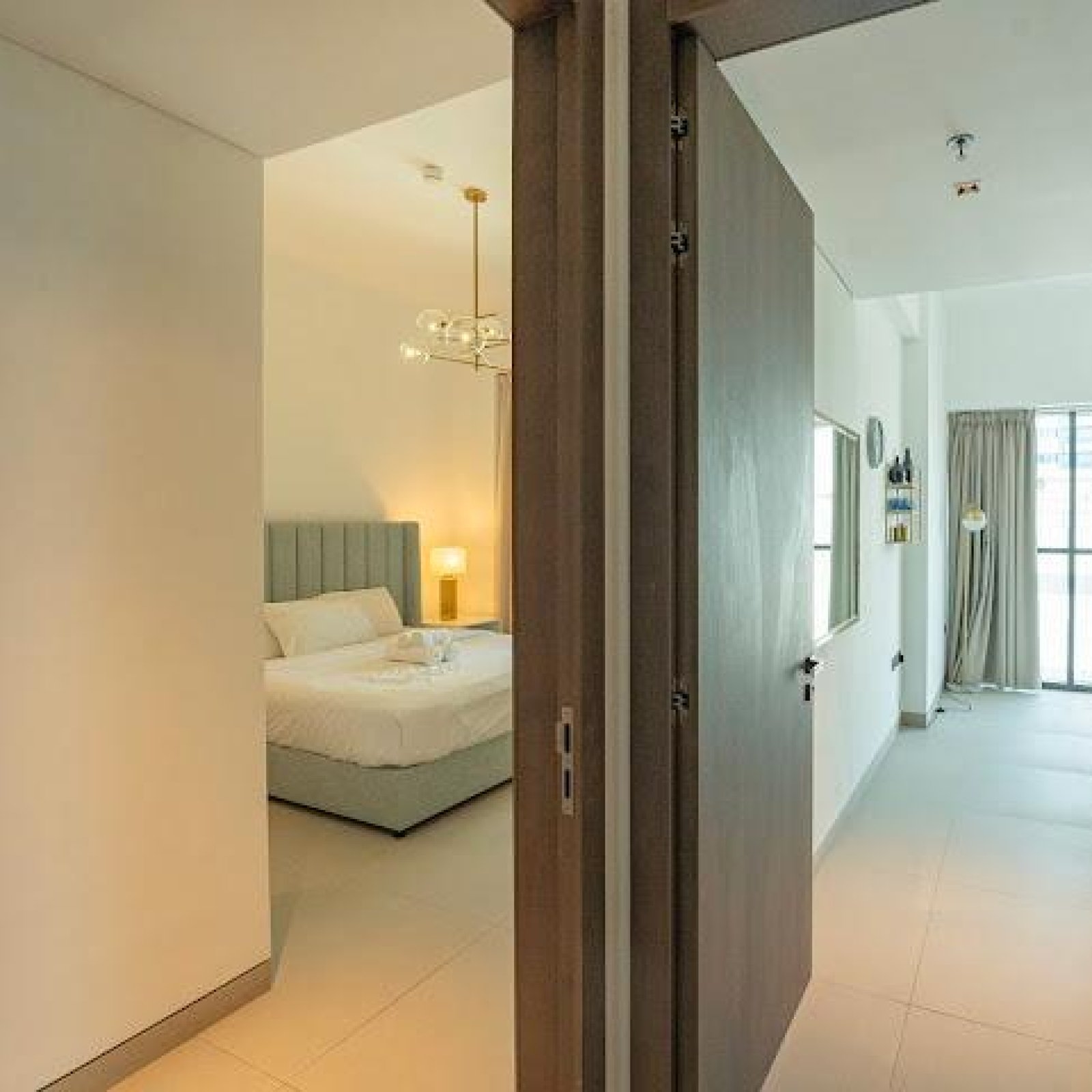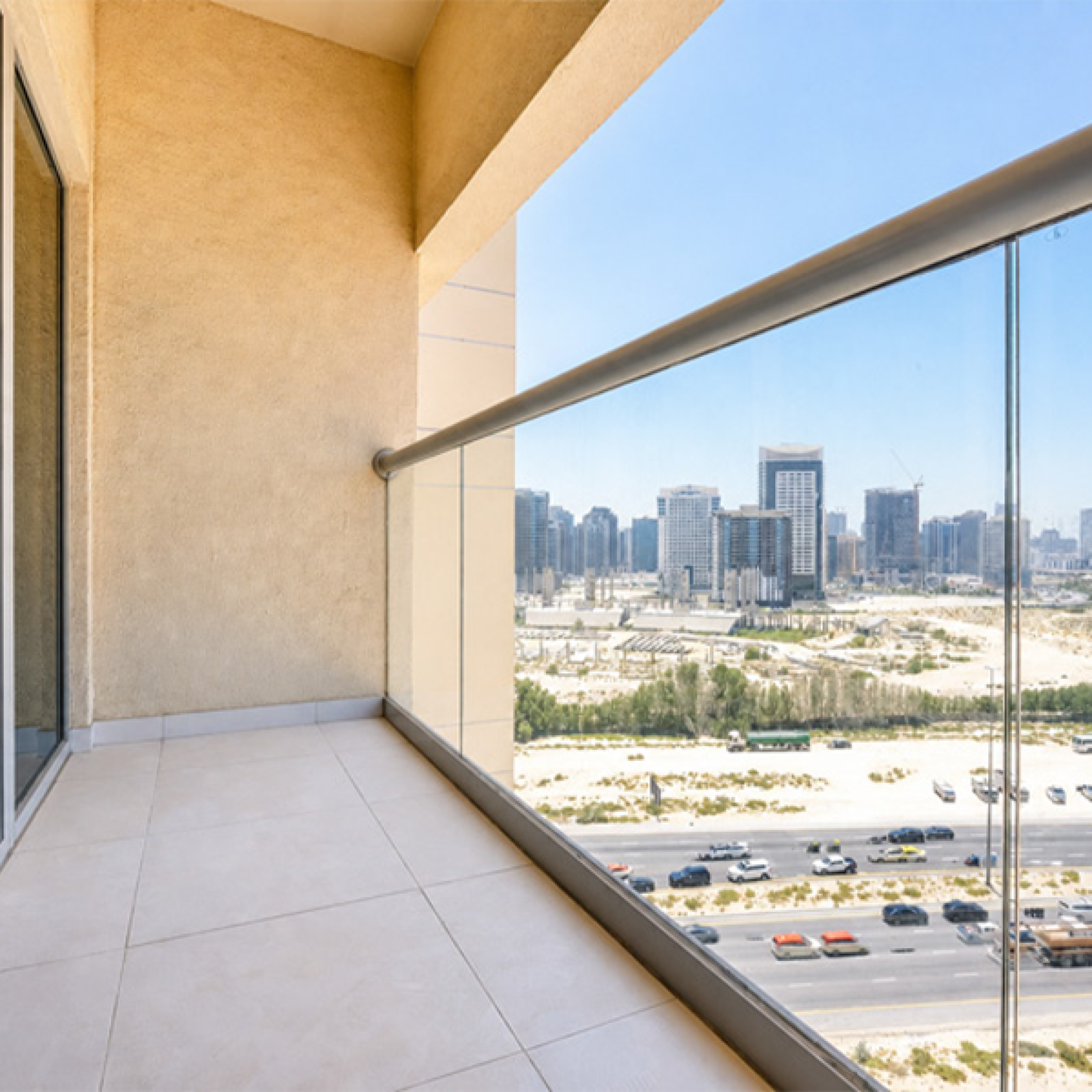
Dubai’s Shared Housing Law comes into force on 26 August 2026. It does not ban sharing an apartment. It bans doing it informally.
For tenants, the change is straightforward: you can still live with roommates, but you can no longer rent out a room or a bed to someone else. For landlords, the change is bigger than most realise, because when a unit breaks the rules, the permit that’s missing is yours, and the fine follows the property.
Here’s what the law actually says, and what you should do about it before the compliance clock runs out.
What Dubai Law No. 4 of 2026 Changes
Law No. (4) of 2026 was issued by His Highness Sheikh Mohammed bin Rashid Al Maktoum and published in the Official Gazette on 27 February 2026. Dubai Municipality has confirmed the effective date as 26 August 2026.
It applies across the emirate, including private development zones and free zones. It excludes units designated for collective labour accommodation, which is regulated separately.
The law covers three groups: property owners who offer units for shared housing, licensed operators who manage them, and tenants who live in them.
Four things change materially:
1. Permits are now mandatory.
No residential unit can be used for shared housing without a permit issued by Dubai Municipality, in coordination with the Dubai Land Department. Permits run for one year, renewable, with a two-year option on request. Renewals must be filed at least 30 days before expiry.
2. Tenants cannot sublease at all.
Only the owner, or a company authorised to manage or lease on the owner’s behalf, can rent out shared accommodation. Tenants are excluded from that chain entirely.
3. Contracts must be registered.
Every shared housing tenancy goes into an official electronic registry run by the Dubai Land Department, capturing landlord details, resident numbers and unit specifications. The DLD will also publish standard lease templates and a rent indicator for shared housing.
4. Advertising is regulated.
Promoting shared housing without a valid permit is prohibited across all platforms, portals, social media, classifieds. Adverts must reflect the approved occupancy limit and space allocation.

What’s Allowed for Tenants
Generally allowed:
- Living with your family members
- Living with occupants registered through the correct official channels
- A shared housing arrangement operating under a valid permit
Generally allowed:
- Renting out individual rooms or bed spaces informally
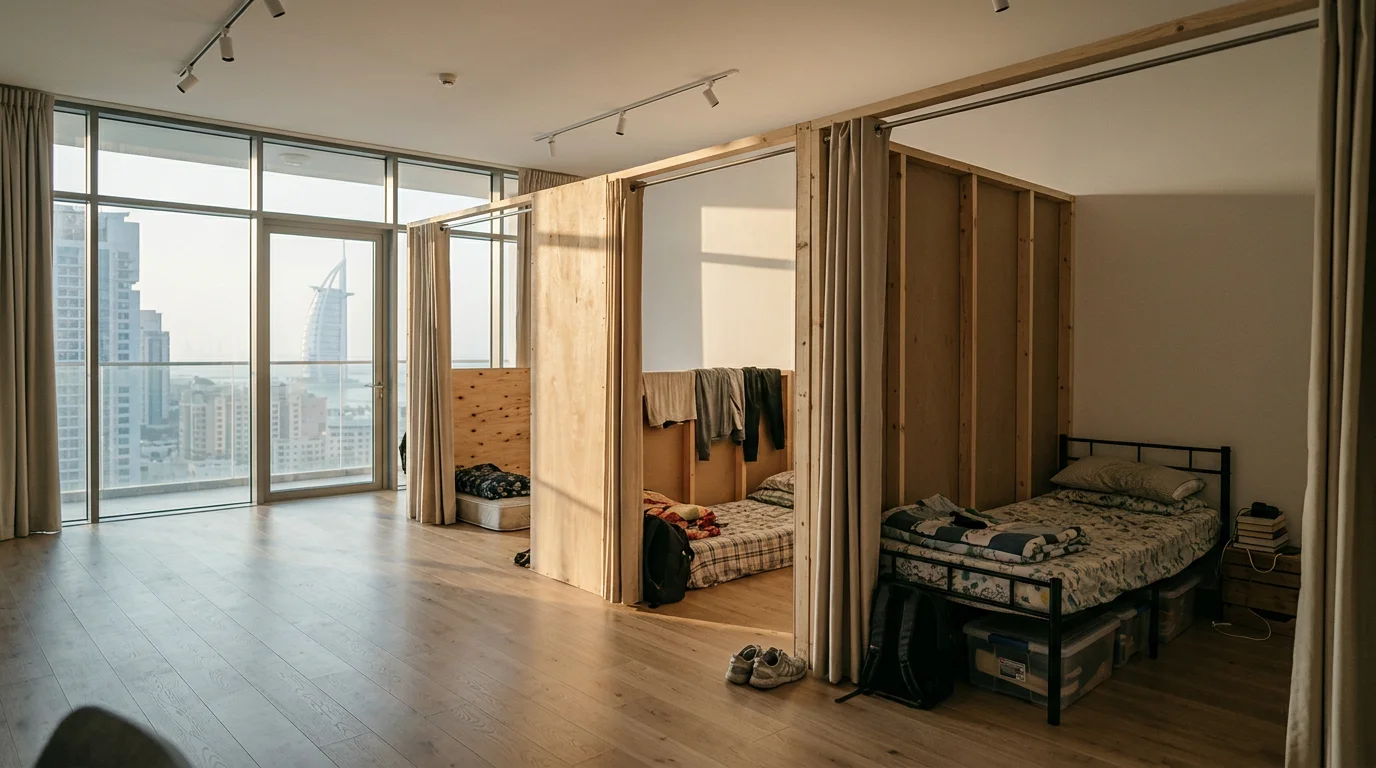
- Building partitions without approval, and non-fire-rated gypsum or wooden partitions are prohibited outright
- Exceeding the permitted occupancy limit for the unit
- Converting kitchens, bathrooms, balconies, corridors, storage areas or parking bays into sleeping space
- Advertising bed spaces
Can a tenant sublet in Dubai?
Under Dubai’s tenancy regulations, a tenant cannot sublease a property or allow a third party to use it without the landlord’s written consent, unless the tenancy contract explicitly permits it.
The Shared Housing Law tightens this further. If the arrangement amounts to shared housing, written landlord consent alone is no longer enough. The unit needs a permit, and the tenant cannot be the one leasing it out regardless.
A practical example: you rent a one-bedroom and rent the bedroom to someone else for AED 3,500 a month. That is subletting. Without written approval you are in breach of your tenancy. If it’s structured as a room rental in a shared unit, it is now outside the law entirely.
The Part Landlords Are Underestimating
Most of the coverage so far has been written for tenants. That’s the wrong end of the risk.
Under this law, the permit obligation sits with the owner or the licensed operator, not the tenant. If your tenant partitions your two-bedroom in Business Bay and puts six people in it, the unpermitted unit is yours. The enforcement action lands on your asset.
THE NUMBERS
Penalties range from AED 500 to AED 500,000, doubling to AED 1 million for repeat violations within the same year. Dubai Municipality has confirmed that the specific violation categories and amounts will be set out in executive regulations to be issued later.
Fines are not the only exposure. The law also allows for:
- Suspension of activity for up to six months
- Cancellation of permits
- Revocation of commercial licences
- Disconnection of utilities
- Eviction orders against non-compliant units
And then there are the costs the law doesn’t mention. Illegal partitions damage walls, flooring and MEP systems. Overcrowding accelerates wear on AC, plumbing and finishes far beyond a normal tenancy. Your building insurance may not respond to a claim arising from an unpermitted use. If the unit is still within its Defect Liability Period, unauthorised modification can compromise your warranty claim against the developer.
You have until 26 August 2027 to comply. Dubai Municipality has been explicit that this one-year grace period is the warning: “The law grants a full year’s grace period for compliance after it comes into effect, and this grace period serves as a warning and regulatory period before the application of penalties begins.”
A one-time extension may be granted in certain cases. Plan as though it won’t be.
A Landlord’s Compliance Checklist
1. Find out who is actually living in your property
This is the uncomfortable one, particularly for owners abroad. Your Ejari says one tenant. Your WhatsApp says everything is fine. Neither tells you how many people sleep there.
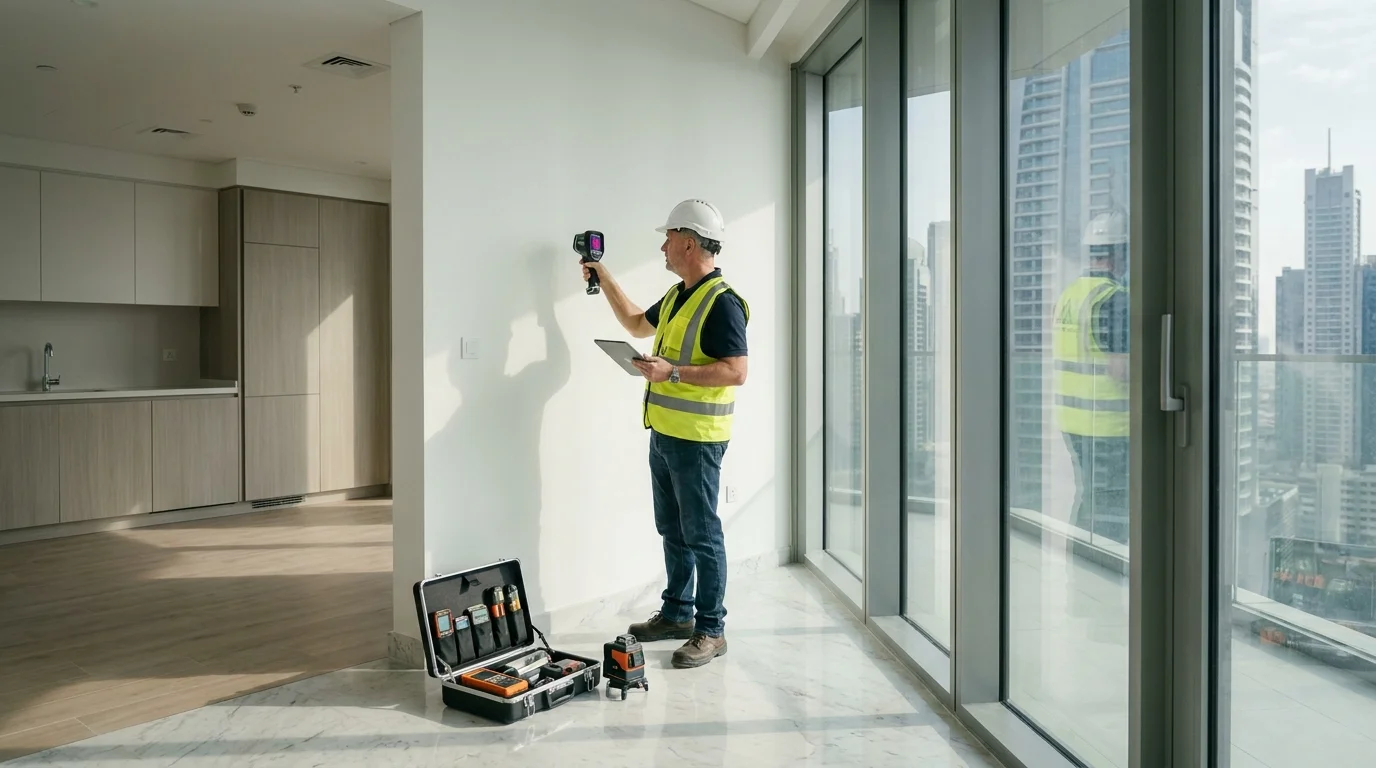
A physical inspection does. At Veer & Sant, our scheduled inspections use thermal and endoscopic cameras, originally for catching hidden leaks and pipe defects, but the same walkthrough documents partitions, room counts and occupancy with dated photographic evidence. If you ever need to act against a tenant, that evidence is what your case is built on.
Overseas Owner Management
Regular inspections with photo documentation, tenant management, maintenance coordination and monthly owner reports, for landlords who can’t be in Dubai. Onboarding in 5–7 days.
2. Read your tenancy contract
Does it explicitly prohibit subletting and specify the maximum number of occupants? Many older Dubai contracts don’t. From 26 August, a vague contract is a liability. Renewals are your chance to fix it, and new tenancies should be drafted correctly from day one.
3. Confirm your Ejari and registration status
Shared housing contracts must be registered in the DLD’s electronic system. Ordinary tenancies still need current Ejari. Lapsed registration weakens your position in any dispute and is a compliance gap you don’t need.
RERA & Ejari Compliance
Handled as standard within our management packages, registration, renewals and RERA-compliant contracts, with every date tracked so you never miss a deadline.
4. Vet tenants properly before they move in
Informal subletting is a screening failure more often than an enforcement failure. Employment verification, visa checks, rental history and reference calls filter out most of the risk before it becomes your problem.
Exclusive Rental + 6 Months Free Property Management
Professional photography, targeted marketing across Bayut, Property Finder and Dubizzle, full tenant vetting, Ejari, DEWA and key handover. Six months of full management included at no extra cost. Average 9–21 days to tenant.
5. Act properly if you find a breach
Do not change the locks. Do not cut the power. A tenant in breach still has rights, and a landlord who self-helps usually loses at the Rental Disputes Settlement Centre.
The correct sequence is documentation, formal notice, negotiation, then RDSC filing. Most landlords lose winnable cases on process, not merit, the notice was informal, the evidence was a phone photo with no date, or the filing came too late.
Tenant Disputes & Early Termination
RERA rules, formal notices, RDSC filings and enforcement, handled legally from notice to resolution. Typical resolution: 2–8 weeks.
6. If your unit is newly handed over, document it now
Off-plan units are the most common targets for partitioning, because they’re empty, unfurnished and often owned by someone overseas. A professional snagging inspection at handover gives you two things at once: every developer defect logged while your DLP is still live, and a complete dated baseline of the unit’s original condition. If a tenant later modifies it, that baseline is your proof.
Handover & Snagging Inspections
Thermal imaging, endoscopic camera inspection, full defect report within 24–48 hours, and developer follow-up until every item is closed. Inspection scheduled within 48 hours.
7. Check that your estate documents match your property documents
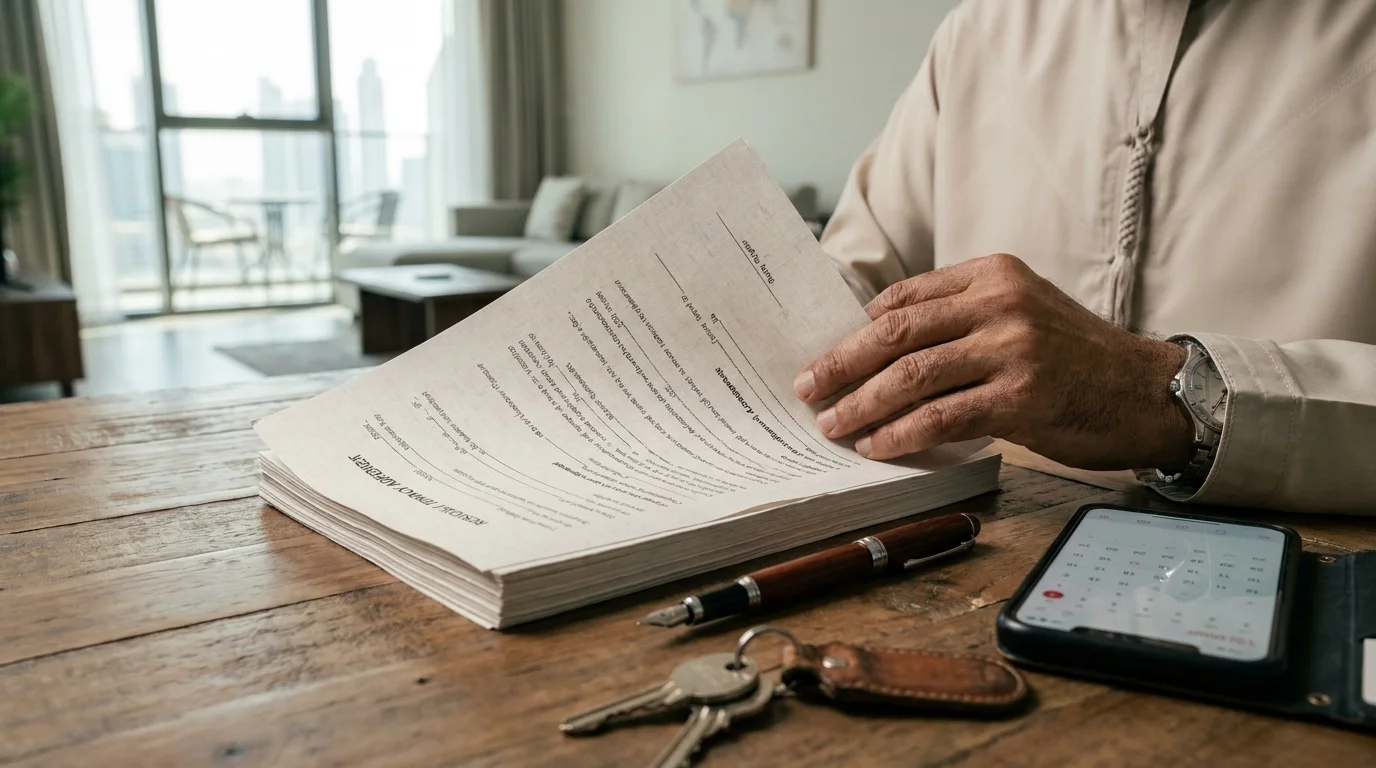
An unrelated point, but the same review catches it. If you own Dubai property and have no registered UAE will, your heirs may face default inheritance procedures, frozen accounts and delayed property transfers. An ADJD Civil Will is valid across all Emirates, can include your UAE real estate, and can name guardians for your children.
UAE Wills — ADJD Civil
Single Will AED 8,000 + VAT · Mirror Will AED 12,000 + VAT. Includes bilingual drafting, Arabic certified translation, document review, court assistance and unlimited amendments up to registration. ADJD registration currently takes 45–60 days.
FAQ
Is apartment sharing banned in Dubai?
No. Sharing is still permitted. What’s banned is informal room and bed-space rental, unapproved partitioning, overcrowding, and operating a shared unit without a permit.
When does the Shared Housing Law take effect?
26 August 2026. Existing shared housing operators have until 26 August 2027 to bring units into compliance, with a possible one-time extension in some cases.
Can I rent out a spare room in my apartment?
Not as a tenant. Only the owner, or a company authorised to lease on the owner’s behalf, can rent out shared accommodation, and only in a permitted unit.
Who applies for the shared housing permit?
The property owner or the licensed operator. Dubai Municipality will publish the application procedure through its approved digital platforms once processes are finalised.
What are the fines?
AED 500 to AED 500,000, doubling to AED 1 million for repeat violations within the same year. Exact amounts per violation type will be confirmed in the executive regulations.
Who handles disputes?
The Rental Disputes Settlement Centre handles disputes between owners, tenants and management companies.
I live abroad. How do I know if my tenant is subletting?
You don’t, unless someone inspects. Scheduled inspections with dated photo documentation are the only reliable way to know what’s happening inside your property, and the only way to build a case if something is.
The Bottom Line
Two landlords own identical units in the same tower. One has a properly drafted contract, a vetted tenant, current Ejari, and a dated inspection record. The other has a signed cheque and a phone number.
When Dubai Municipality begins inspections, the difference between them is not the property. It’s the paperwork.
BOOK A FREE CONSULTATION
No commitment. We’ll tell you exactly where your property stands, occupancy, contract terms, Ejari status, and what needs fixing before the compliance deadline.
Call: +971 4 254 7443 WhatsApp: +971 52 689 8597
Email: hello@veersant.com Web: www.veersant.com
Veer and Sant Real Estate LLC is RERA-licensed. One team handles handover inspections, overseas owner management, exclusive rental, tenant disputes and UAE wills, so your property, your tenants, your compliance status and your estate plan are understood by the same people.