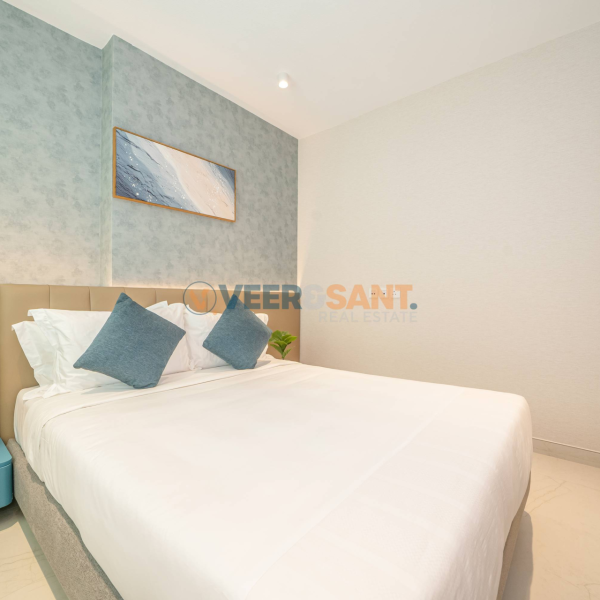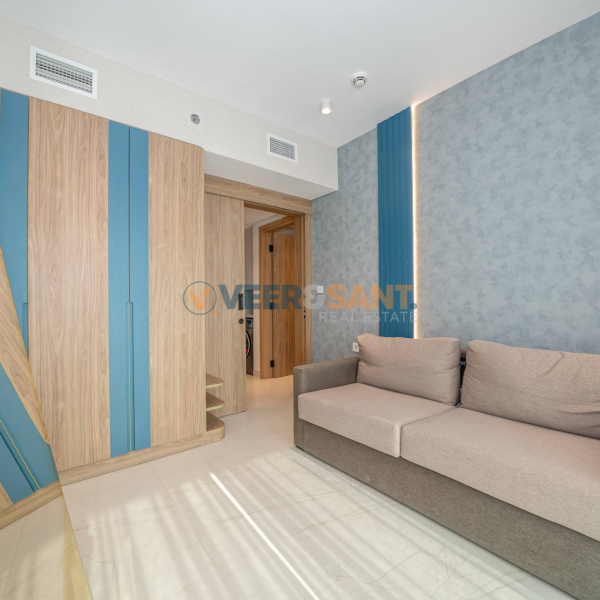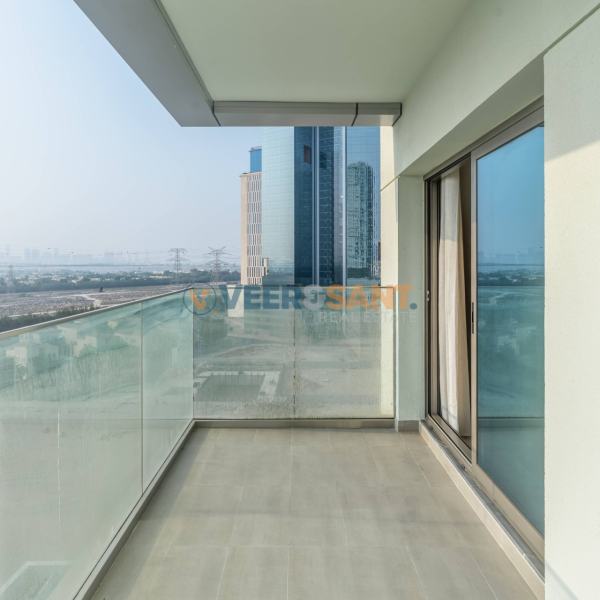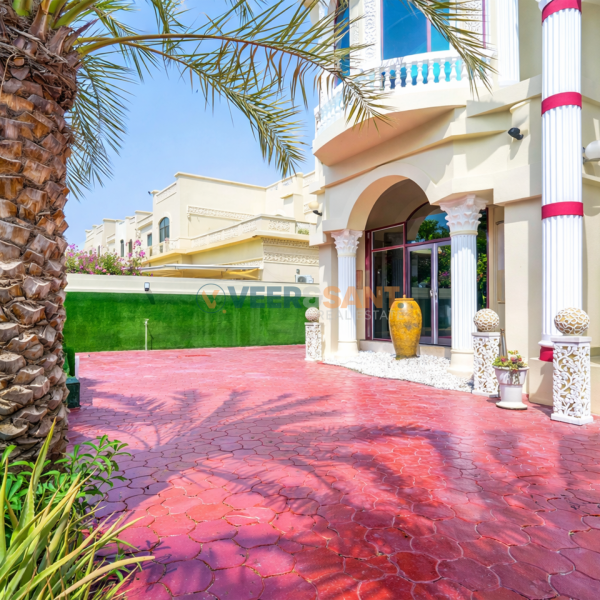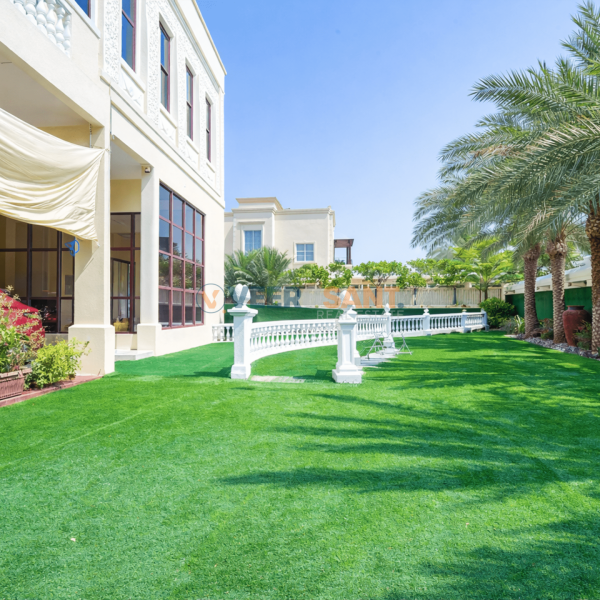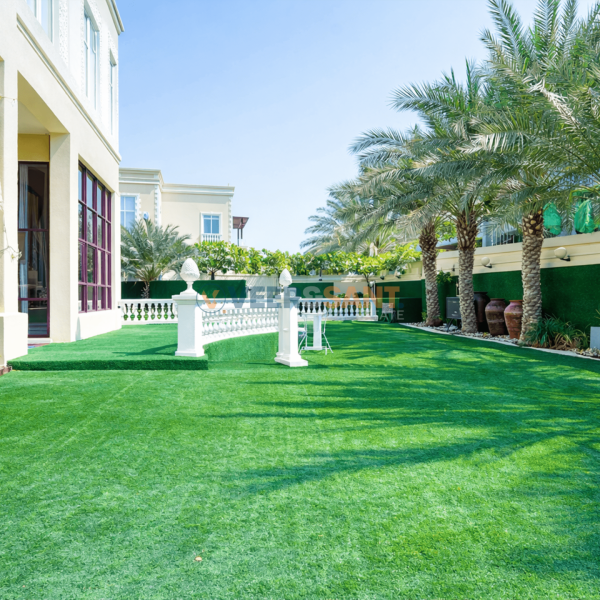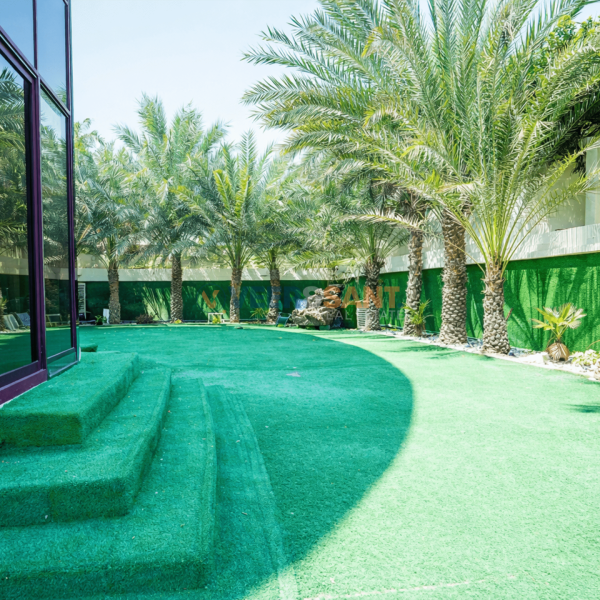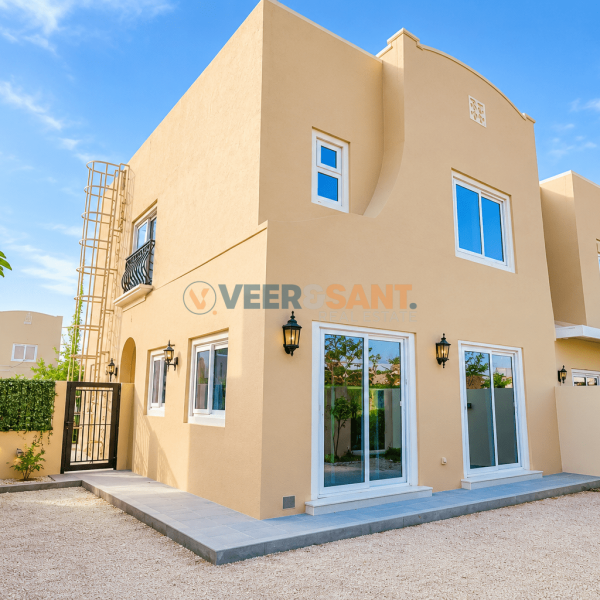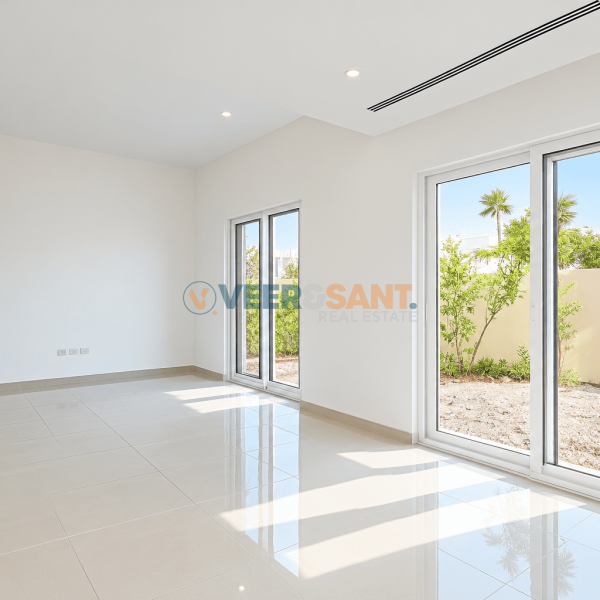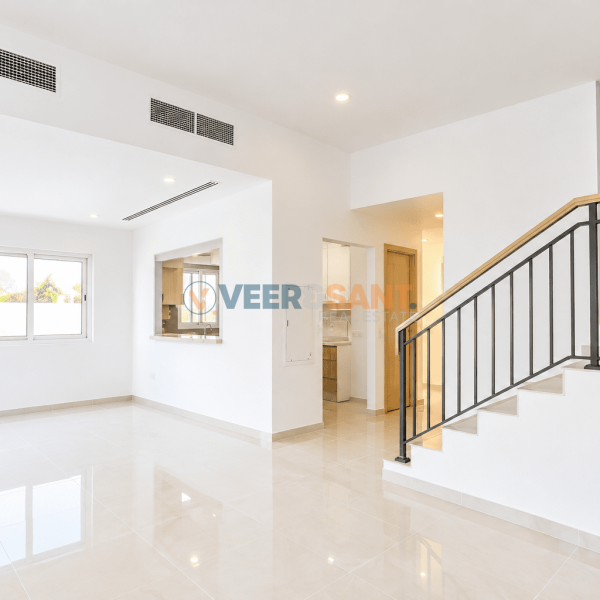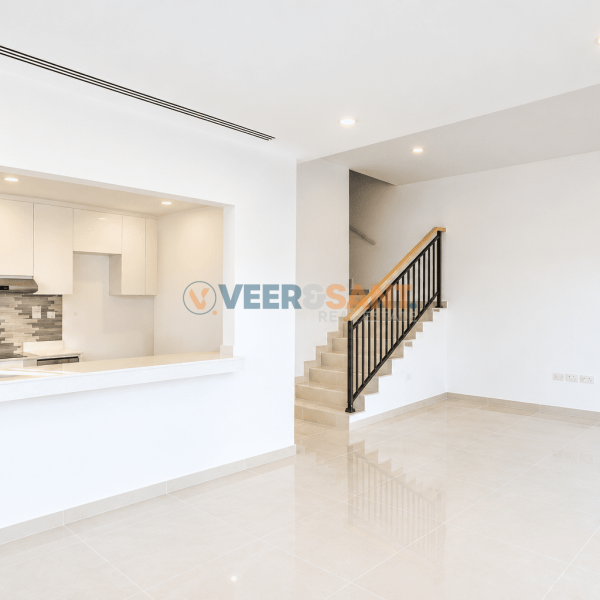

Roughly three-quarters of every home sold in Dubai this year was bought before it was built. Off-plan is no longer the adventurous route into this market, it is the mainstream one, and if you are buying in Dubai in 2026 you will almost certainly be offered it.
This guide covers the whole process: what you pay on day one, what the instalments actually cost, how the escrow system protects you, how to sell before handover, what happens if a developer fails to deliver, and how to tell a well-run project from a badly-run one. It also covers where the market genuinely is right now, which is not where most sales material says it is.
| The short version You need 10–20% down plus a 4% Dubai Land Department fee to secure an off-plan home. The balance is paid in instalments across construction, typically over two to four years. Your money sits in a regulated escrow account, and an unregistered off-plan sale is legally void. You can sell before handover once the developer issues a No Objection Certificate — and the payment threshold that gates it is written in your contract, not in Dubai law. |
What off-plan actually means
Off-plan means buying directly from the developer before the home is built, sometimes before the ground is broken. You sign a Sales and Purchase Agreement (SPA), your unit is entered in the Dubai Land Department’s Interim Real Property Register under an Oqood certificate, and your payments go into a project escrow account the developer can only draw against as construction is certified.
You are buying a contractual right to a specific home, registered with the government, secured against a ring-fenced account. At handover, that interim registration converts into a full title deed in your name.
Why so much of the market works this way
Off-plan accounted for roughly three-quarters of Dubai residential transactions in the first half of 2026, 71% by one Land Department-derived count, 74–75% by three others. Three things drive that.
- Entry price. Off-plan typically prices below equivalent completed stock in the same area, because you are accepting construction risk and a wait.
- Payment structure. Instead of the full price on transfer, you pay in instalments across the build. That is a fundamentally different cash-flow proposition to buying a finished home.
- Choice. Registered buyers select units before general release, floor, aspect, plot position, layout. In a completed community you take what is available.
The trade-off is straightforward and should be stated plainly: you are committing capital to something that does not exist yet, on a timeline you do not control, in a market that may move against you before you get the keys.
The legal architecture that protects you
Dubai’s off-plan framework is often described vaguely in sales material. It is worth understanding precisely, because these are the provisions you will rely on if something goes wrong.
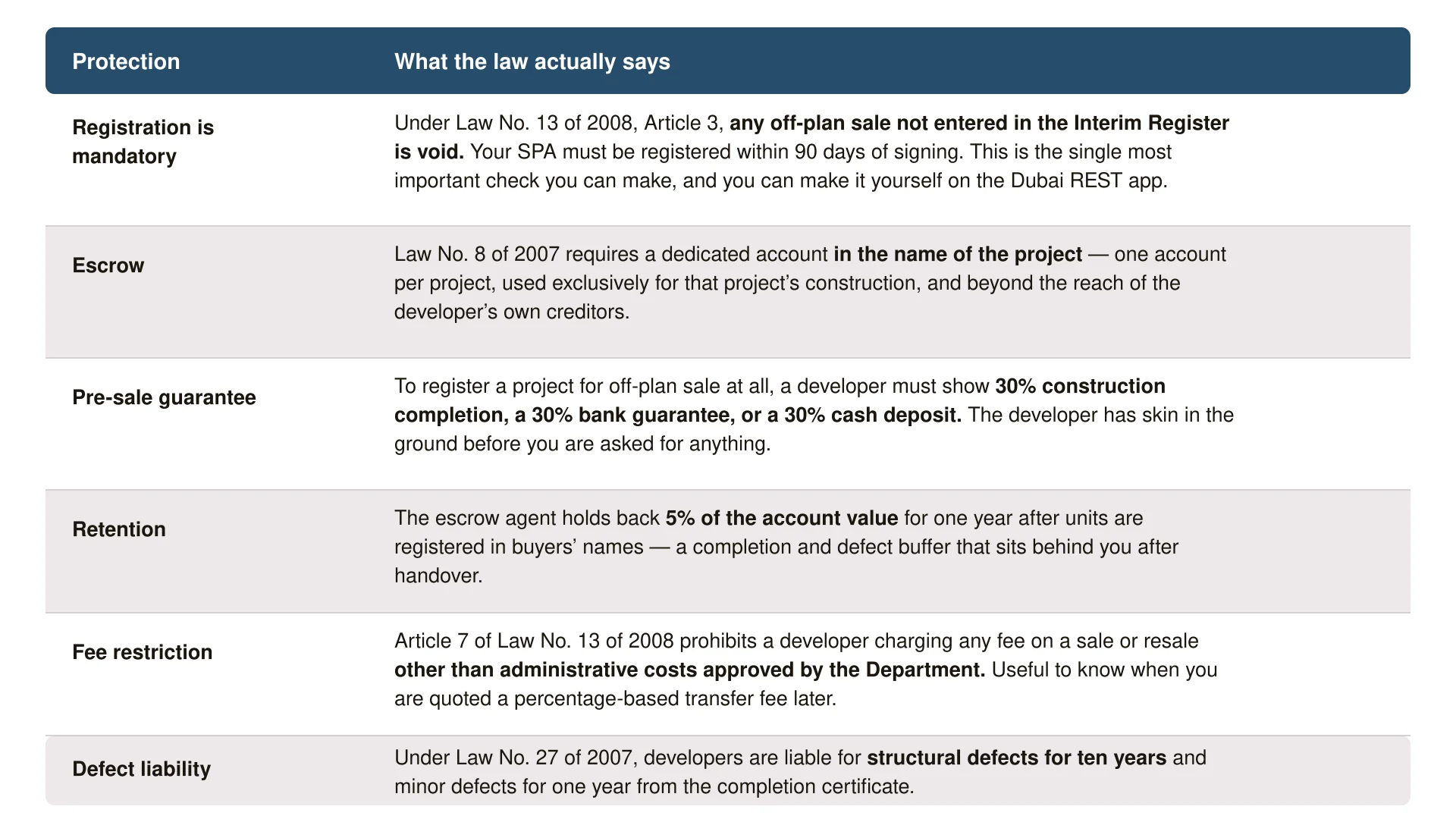
| The three checks that matter most1. Is the project registered? Search it on Dubai REST or the DLD website before you pay anything. An unregistered project cannot legally sell off-plan.2. Does the SPA name the escrow account? Your money goes to the project escrow account and nowhere else. Never to a developer’s general account, never to a broker, never to an individual. Each unit usually has a unique reference tied to that account.3. Did your Oqood certificate arrive? Within 90 days of signing. If it has not, chase it, until it exists, your contract has a legal problem. |
Off-plan or ready: an honest comparison
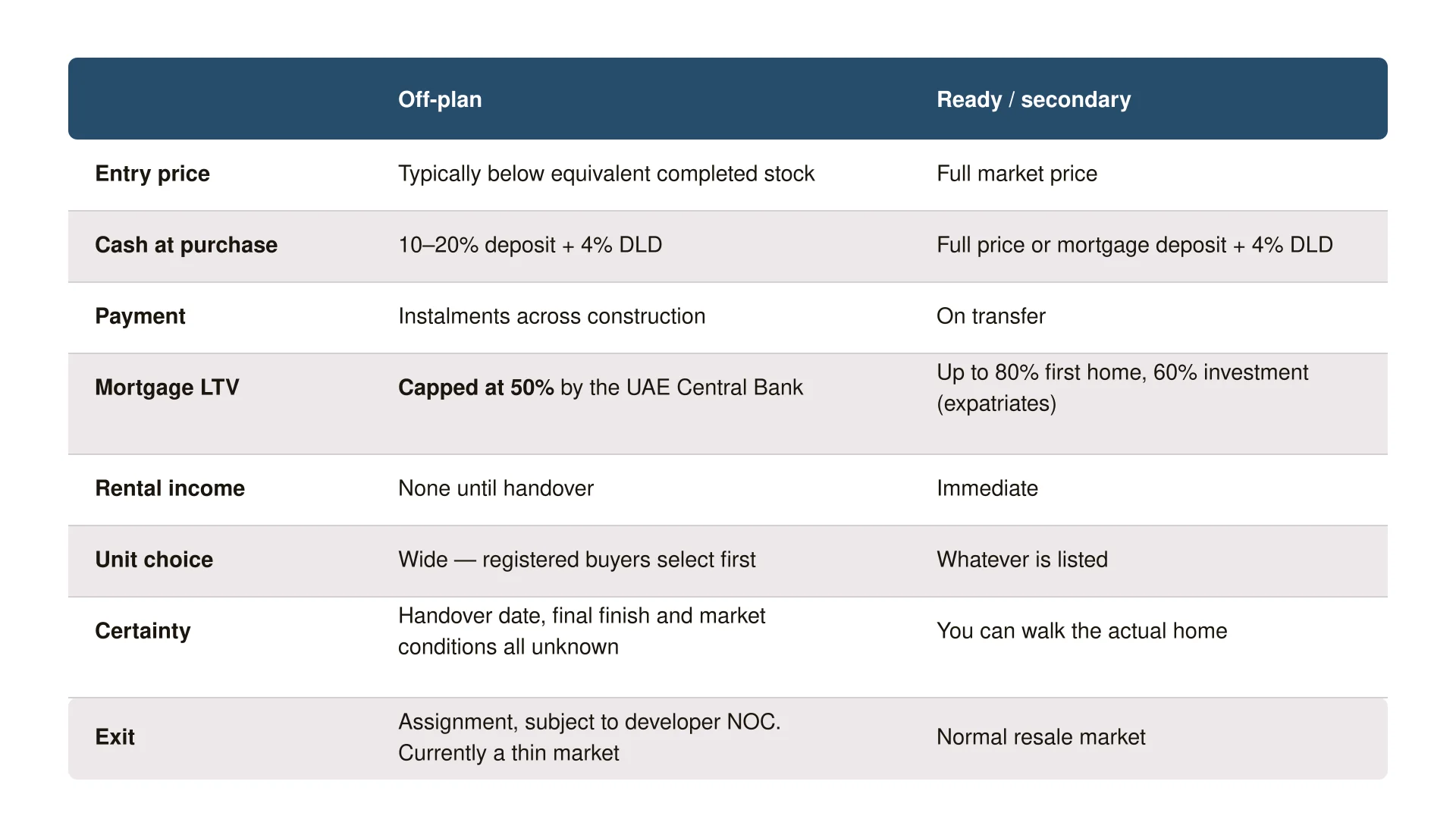
Neither is better in the abstract. Off-plan suits buyers with a time horizon and steady cash flow who want entry price and unit choice. Ready suits buyers who need income now, need certainty, or need to borrow more than half the purchase price.

Step 1 — What you actually pay on day one
The headline down payment on a Dubai off-plan launch sits between 10% and 20% of the price. Villa and townhouse releases in established areas tend to sit at the top of that range, because demand has outstripped supply for years. Volume developers competing on affordability start nearer 10%.
The deposit is not your day-one cost, though. This is:
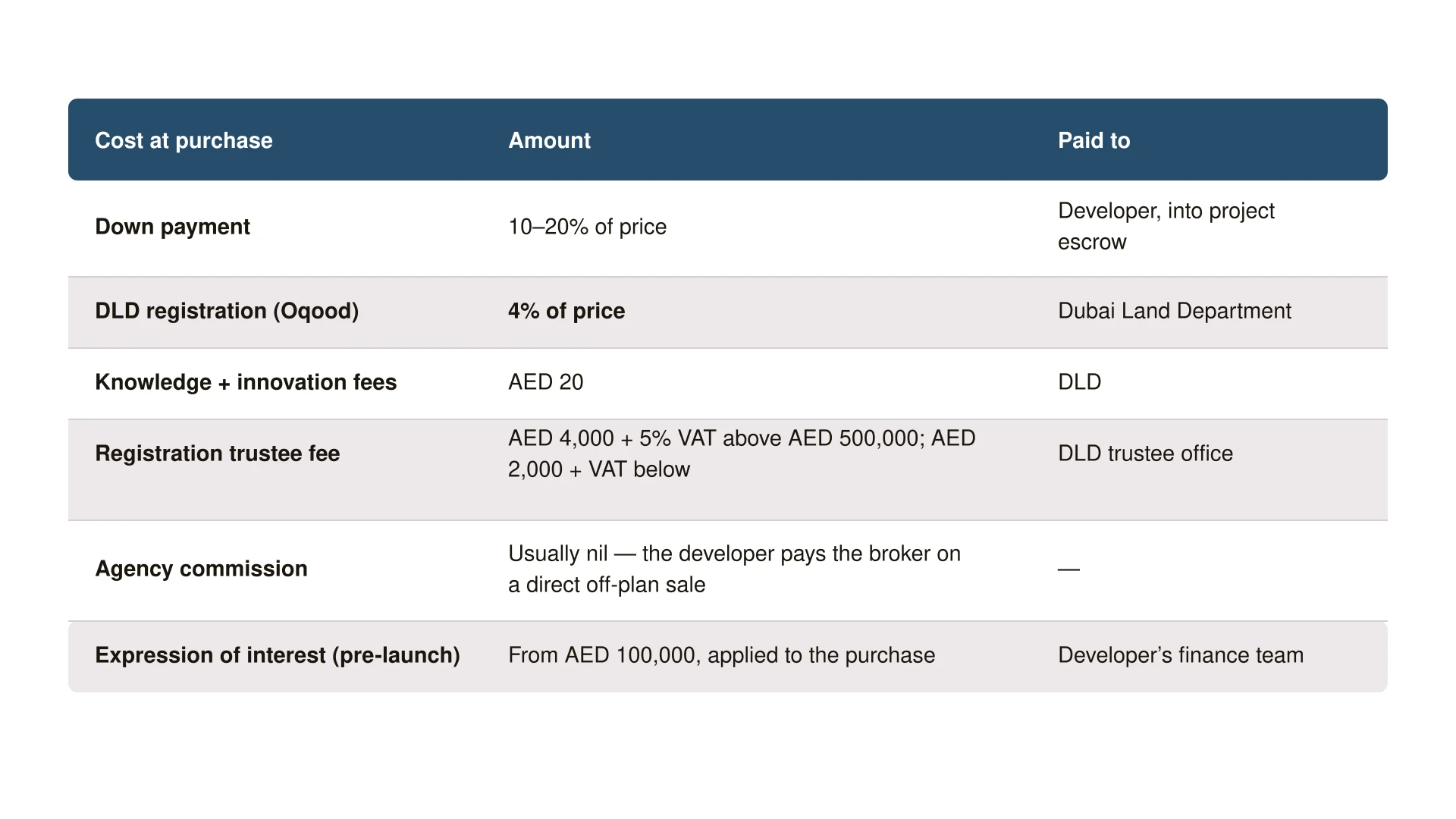
The 4% catches people out. On an AED 2.8 million home that is AED 112,000 on top of the deposit. Two things soften it. It covers the whole lifecycle, at handover your Oqood converts to a title deed with no second transfer fee. And developers frequently absorb some or all of it as a launch incentive, which is worth asking about and worth getting into the SPA rather than taking on trust.
One thing that has changed: since February 2025 UAE banks have been directed not to lend against the DLD fee or broker commission, so those have to come from cash.
| Worked example, AED 2.8M home, 20% down Down payment AED 560,000 DLD registration at 4% AED 112,000 Trustee fee + DLD charges AED 4,220 Total cash to secure the home: AED 676,220 Everything after that is instalments spread across construction. |
On a pre-launch release the first move is not the down payment at all. It is an expression of interest, often from AED 100,000, held by the developer’s finance team and not banked until you have approved a specific allocated home. Registered buyers are briefed first and select first. That is the entire advantage of being early.
Step 2 — How payment plans work
The balance is spread across construction as a payment plan, quoted as two numbers: the share paid during construction and the share paid at handover.
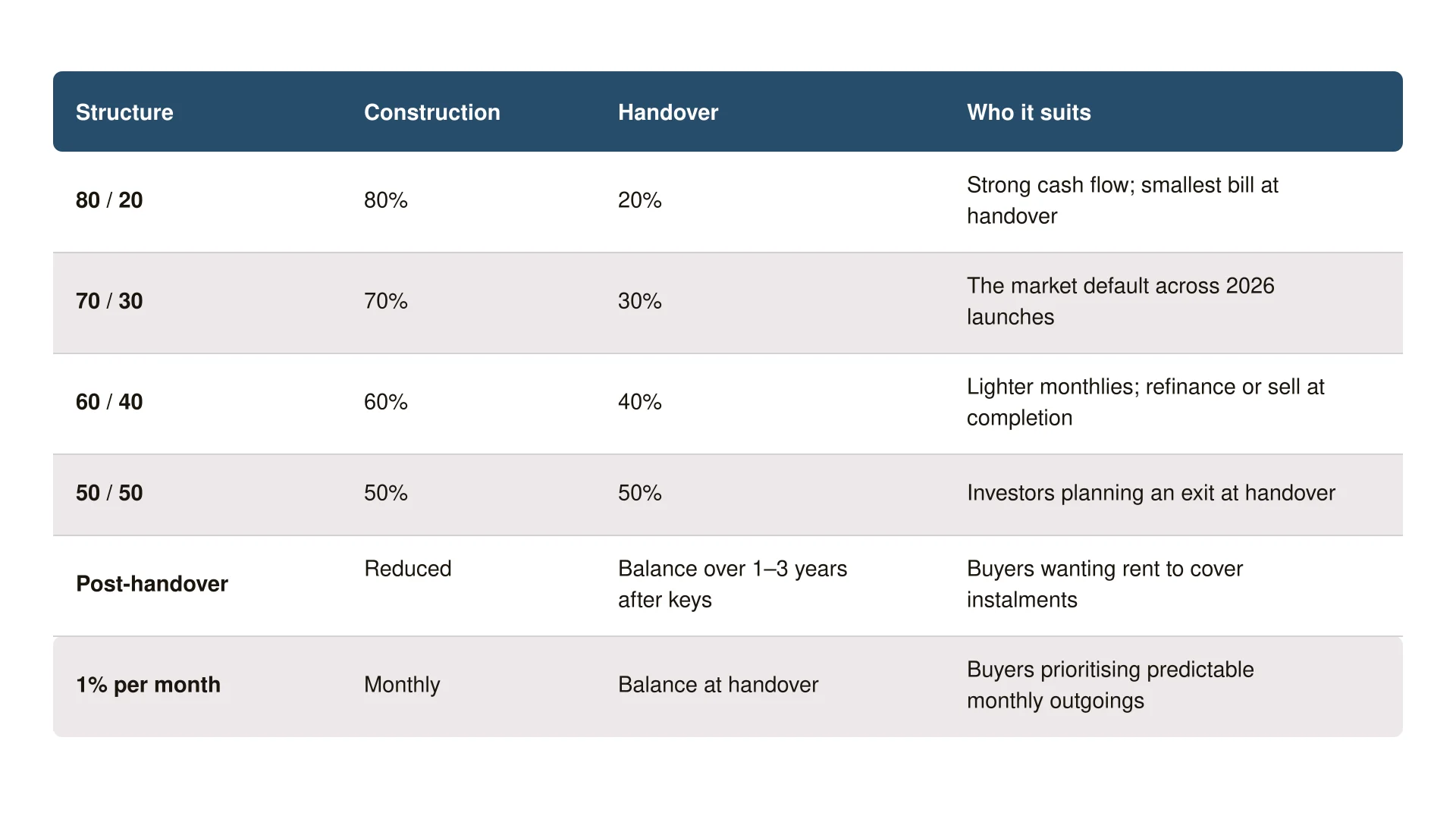
Instalments are either milestone-linked ( paid as construction stages are certified ) or time-linked, a fixed percentage every month or quarter. Time-linked plans are far easier to budget against. Milestone plans front-load if the developer builds quickly, which is a good problem that still has to be funded.
Convert the percentages into a monthly figure
Percentages are hard to feel. On a 60/40 plan over a typical construction period, construction instalments work out at roughly 0.83% of the purchase price per month. On an AED 2.9 million home that is about AED 24,000 a month, with no balloon payment along the way.
Do this calculation before you compare plans, and compare the result against what borrowing the same money would cost you, not against a competitor’s headline discount. That single comparison tells you whether a plan is genuinely good or just well-presented.
| The question to ask about a post-handover plan Post-handover plans look generous because they reduce what you pay during construction. Ask what the property will actually rent for at handover, and whether that rent covers the post-handover instalment. If it does, the plan is doing real work. If it does not, you have deferred a shortfall rather than removed one, and you will be funding it while also paying service charges. |
Can you get a mortgage on off-plan?
Yes, but understand the ceiling before you plan around it. Under CBUAE Circular 31/2013, Article 3(2), property purchased off plans is capped at 50% loan-to-value regardless of purpose, value or category of purchaser. That rule has been in force since 2013, whatever you read about a “new 2026 rule”.
The cap is a ceiling, not an entitlement. In practice lenders also want the project on their approved list, construction typically past 35%, and a substantial share of the price already paid from your own funds. Off-plan mortgages exist, but they are a narrow product.
| The route most buyers actually take Fund the construction instalments from cash flow, then arrange a conventional mortgage at handover, when the property is complete and the completed-property caps apply instead: Expatriate, first home under AED 5m, up to 80% Expatriate, first home above AED 5m, up to 70% Expatriate, second or investment property, up to 60% This is a genuine and material saving over the 50% off-plan cap, not a marketing line. Note that the binding cap is always the lowest one that applies to you. |

Step 3 — The buying process, start to finish
- Register your interest. No payment, no paperwork. On a pre-launch release this is what puts you on the list that gets contacted before anything goes public.
- Briefing and shortlist. Sizes, layouts, pricing guidance, payment plans and availability. A good consultant starts with how you will use the property, family size, live-in or let, budget, timeline, and narrows from there rather than pitching everything.
- Reserve. An expression of interest or reservation, commonly from AED 100,000, secures your place in the selection order. On most releases this is held rather than banked until you approve a specific unit.
- Select your unit. Registered buyers select ahead of general release. This is where being early actually pays, plot position, floor, aspect and layout are decided here.
- Sign the SPA and pay the down payment. Read the assignment clause, the delay clause and the payment schedule before signing. These three decide your flexibility for the next three years.
- Oqood registration. Within 90 days. Verify it yourself on Dubai REST.
- Instalments across construction. Track progress independently rather than relying on developer updates, the DLD publishes project completion data.
- Snagging and handover. Inspect before you accept. Structural defect liability runs ten years, minor defects one year, but a documented snag list at handover is far easier to enforce than a complaint afterwards.
- Title deed. Your Oqood converts to a full title deed with no further transfer fee.
Buying from overseas
Buying from overseas
You do not need to be in Dubai, and you do not need UAE residency. Non-residents can buy freehold property in designated freehold areas with full ownership rights, and the purchase can be completed remotely.
- Power of attorney. Signed before a notary in your country, legalised, attested by the UAE embassy or consulate and then by UAE MOFAIC, and translated into Arabic by an approved translator. Allow two to four weeks. Confirm the current requirement with the trustee office before spending on legalisation, practice has shifted since the UAE joined the Apostille Convention.
- No UAE bank account is required to buy. Instalments go by international transfer directly into the project escrow account. You will want a local account later for service charges or to receive rent.
- Expect source-of-funds checks. The developer, the escrow bank and your own bank will all run them. Have proof of address, statements and evidence of where the money came from ready, and make sure the name on the paying account matches the name that will appear on the Oqood. Name mismatches are the most common cause of stuck transfers.
- Take tax advice in your own country before you sign. The UAE levies no personal income tax, no capital gains tax and no annual property tax on individuals, but that says nothing about your liability where you are resident, and several countries tax worldwide income and gains regardless of where the asset sits.
Step 4 — Selling before handover
This is the question buyers ask last and should ask first. Your exit is a feature of the purchase, not an afterthought.
You can sell an off-plan unit before completion. It is called an assignment, and the right is statutory: Law No. 13 of 2008, Article 6, allows units in the Interim Register to be disposed of by sale, mortgage or any other legal disposition. The Dubai Land Department’s own published answer is that resale is possible once the developer issues a No Objection Certificate. The NOC is the only regulatory gate.
| Correcting something you will read almost everywhere Nearly every Dubai property guide states that “RERA requires 30–40% to be paid before you can resell”. There is no such rule. No Land Department or RERA regulation sets any payment threshold for an off-plan resale.The threshold is a contractual term in your SPA, set by the developer, and it varies from project to project. The figure appears to trace back to a single Emaar project policy from 2013 that a decade of copied content has turned into imagined regulation.What this means for you: read your assignment clause before you sign. That clause, not the internet, decides when you can sell. |
Two things have to line up. Your instalments must be current and any contractual threshold met, and the developer must issue the NOC. Developers will not issue one if payments are behind, which creates a genuine trap for anyone selling *because* they cannot fund the plan.
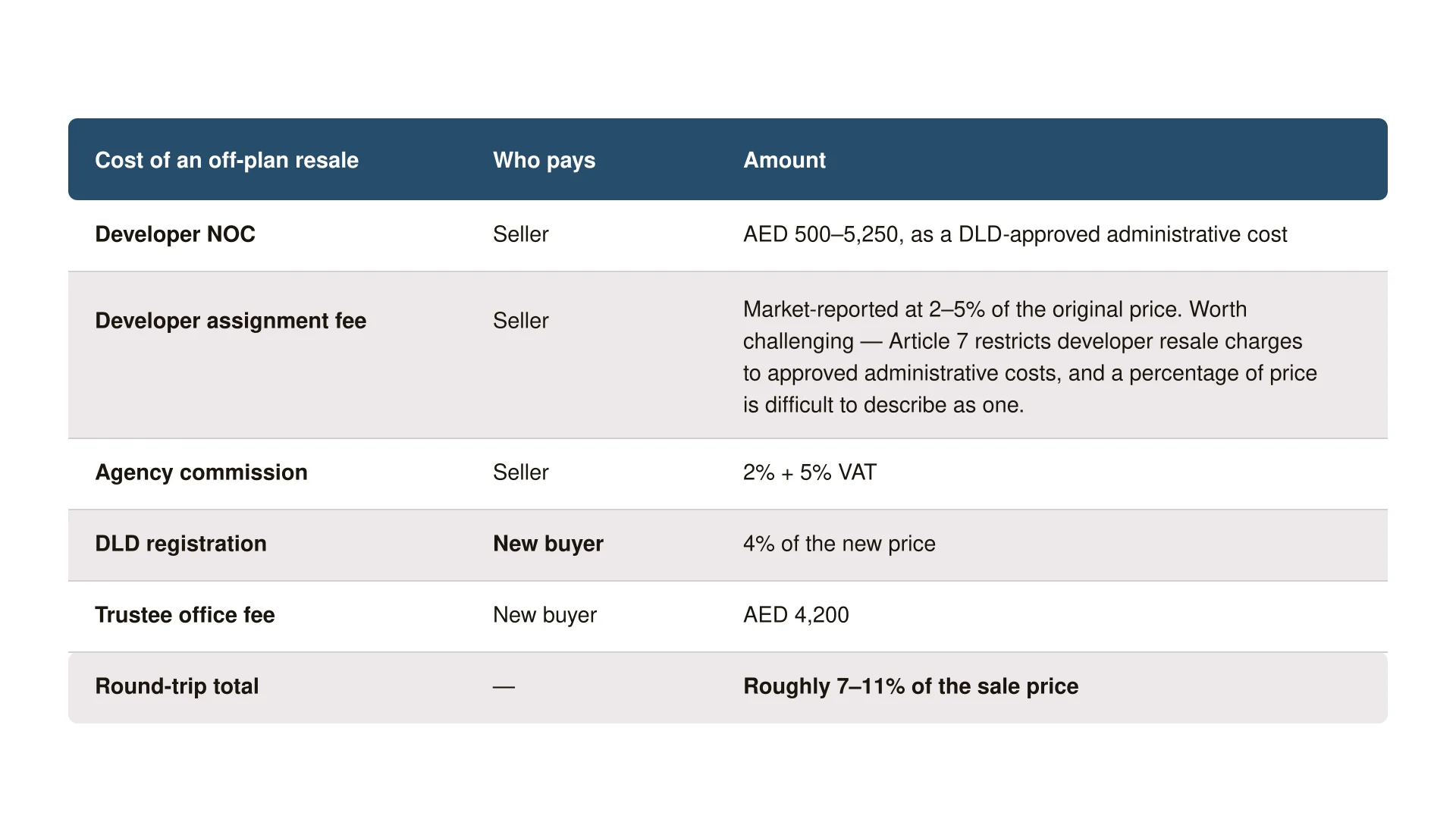
The honest version
Off-plan resale is a real exit, not a fast one, and 2026 has not been kind to it. Off-plan resales fell 51% year on year in the first half of 2026. Three structural reasons, none of which appear in launch-day marketing:
- The buyer pool is thin by design. Your buyer must produce, in cash, everything you have paid plus your profit plus their own 4% DLD fee and trustee costs, and then take on your remaining instalments. On a unit where you have paid 40% at a 20% uplift, that is a seven-figure cheque for a building that does not exist yet, and off-plan mortgages are capped at 50%.
- You compete with the developer. While the project is still selling, the developer offers the same unit type at launch pricing, with a fresh payment plan and fee incentives you cannot match. Assignments price well only once developer inventory in that project is exhausted.
- There is no information asymmetry. The Land Department publishes every transaction. Your buyer knows exactly what you paid and when.
At 7–11% round-trip you need roughly 10% appreciation just to break even. Plan for weeks rather than days. And if you need liquidity on a fixed date, off-plan is the wrong instrument, that is not a criticism of it, just a description of what it is.
If you cannot keep up the payments
Very few guides cover this, which is odd, because it is the risk that actually costs people money. The position is set by Article 11 of Law No. 13 of 2008 as replaced by Law No. 19 of 2020, and it is public order, a harsher clause in your SPA is void.
The developer must notify the Land Department, which serves a 30-day cure notice and attempts mediation. Only then:
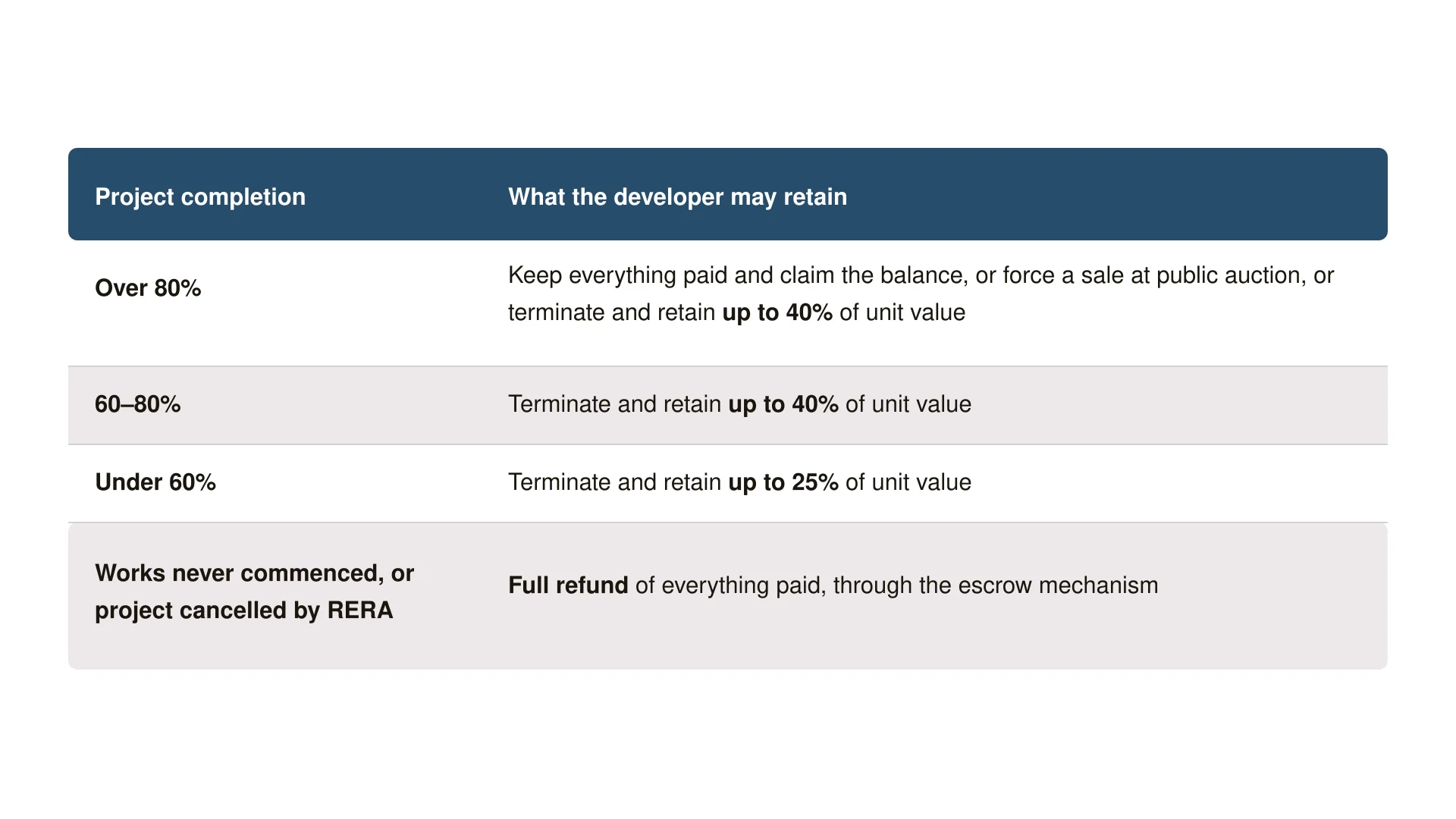
If you are heading for difficulty, act before you miss a payment. A restructured schedule, a payment holiday or an assignment while your account is still current are all available. None of them are available once the NOC is blocked by arrears.
| On handover delays specifically There is no statutory grace period for a late handover. The often-quoted “12-month tolerance window” is a contractual custom, not law, developers commonly write a further period of up to twelve months into the SPA to absorb delay.Compensation figures circulating online (typically “7–9% per annum”) do not trace to any official source and should be treated as invented.Read the delay clause in your own SPA. There is no default fallback if it is silent, and your practical remedies are a RERA complaint, a court termination claim, or pressure toward cancellation, which triggers a full refund. |
If the developer fails to deliver
RERA can cancel a project on nine grounds, including failure to commence without justification, gross negligence, bankruptcy, or a determination that the developer has no genuine intention to proceed. On cancellation, RERA appoints an auditor at the developer’s expense and requires refunds to entitled buyers, within 14 days from escrow, or within 60 days from the developer if escrow funds are insufficient.
Claims about unfinished and cancelled projects go to a Special Tribunal seated at the Land Department. Its awards are final, not subject to ordinary appeal, and directly executable, and( importantly ) its proceedings are exempt from judicial fees. That is a materially better recovery route than a conventional court claim, where filing fees on a property dispute can run to tens of thousands of dirhams.
How to assess a developer and a project
- Delivery record. How many projects has this developer actually completed, and when? Handed-over buildings you can walk through are worth more than any brochure. A developer with a long delivered portfolio and a long queue of announced launches is a different proposition from one with mostly announcements.
- Track record in this product type. A strong apartment developer is not automatically a strong villa developer. Ask specifically what they have delivered in the format you are buying.
- Project registration and escrow. Confirm on Dubai REST that the project is registered and the escrow account exists. This takes two minutes and rules out the worst outcomes.
- Construction progress. The Land Department publishes completion percentages. A project sitting at low single digits long after launch is telling you something.
- Handover history. Ask for the promised and actual handover dates on their last three completed projects. A developer who cannot answer that question has answered it.
- Service charges at their delivered buildings. Amenity-heavy projects carry meaningful ongoing costs that erode net yield. Look at what their existing buildings actually charge per square foot.
- Resale and rental performance of their completed stock. Published transaction data will tell you whether their buyers did well. Treat developer-published ROI figures as marketing until you can trace the methodology.

Where the Dubai market actually is, August 2026
Any guide telling you Dubai only goes up is not looking at the data. Here is the balanced picture, because you cannot make a sensible decision without it.
The market entered a correction after February 2026. On a valuation basis, residential capital values are down roughly 4% quarter on quarter and about 10% since late February. Q2 transaction volumes fell around 29% year on year. Rents are down roughly 6% quarter on quarter. The monthly rate of decline has slowed to about 1%, so this is a decelerating correction rather than a rout, but it is a correction.
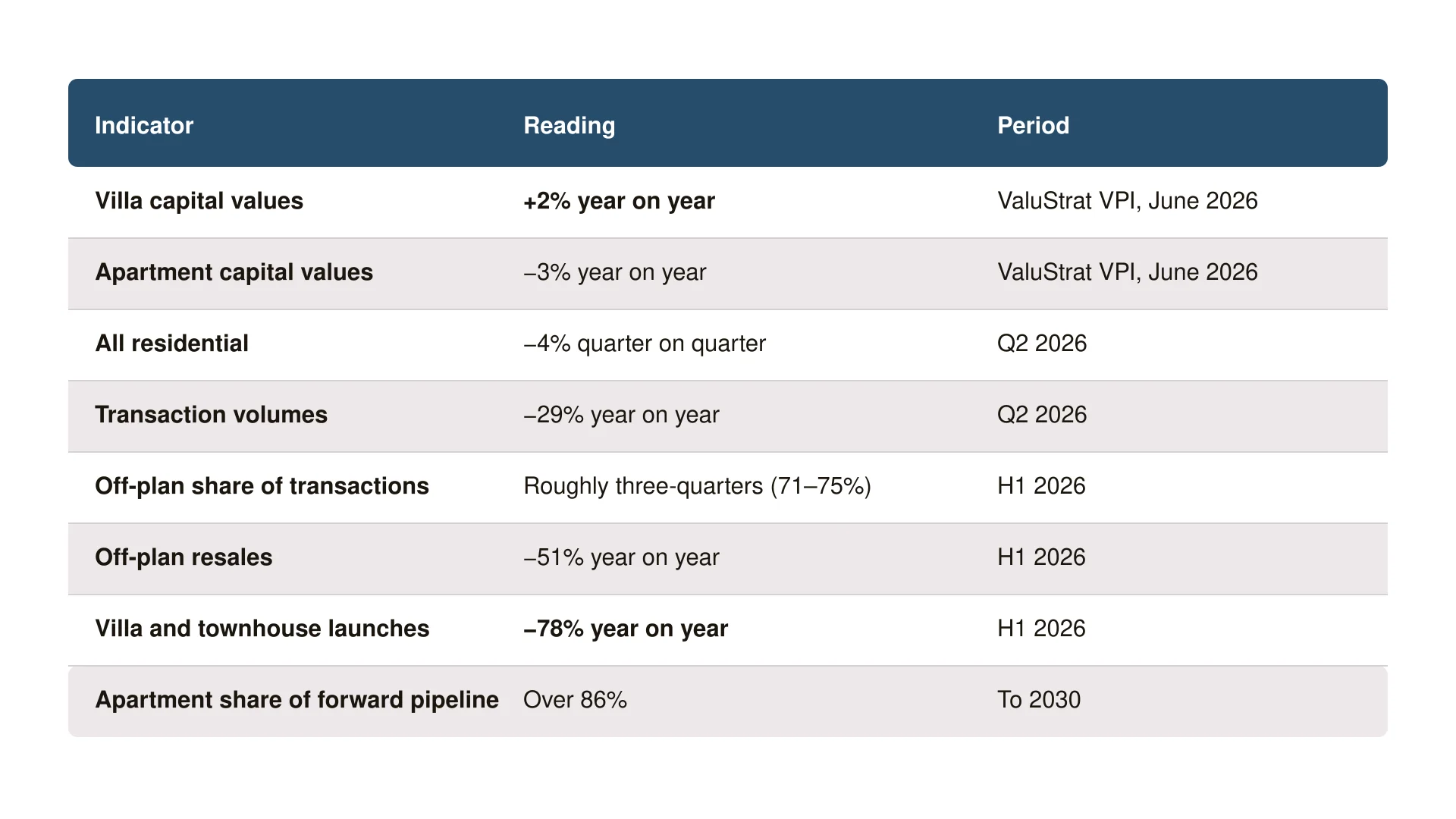
| A note on the “+17%” figure you may have seen Several 2026 market summaries report villa and townhouse prices rising 17% year on year. That figure is the change in average sale price per unit, not a price index, it reflects an unusually heavy year for ultra-prime transactions pulling the mean upward. The same source puts price per square foot at +6%, and valuation-based indices put villa capital values at about +2%.It is worth knowing the difference, because a lot of sales material quotes the first number as though it were the third. |
Why villas and townhouses are the tight part of the market
Read the last three lines of that table together, because they are the genuine structural story in this market right now, and it is a supply story, not a price story.
- Villa and townhouse launches fell 78% year on year in the first half of 2026, against 58% for apartments. Developers have pulled back hardest on exactly the format families want.
- Over 86% of everything in the forward pipeline to 2030 is apartments, against roughly 80% of existing stock, so the mix is shifting further away from family homes, not toward them.
- Apartments are over 82% of scheduled deliveries for the second half of 2026.
- Villas are outperforming apartments, though in the sense of falling less rather than rising more, which is worth being clear about.
The counterweight, stated honestly: the outer townhouse belt is where villa supply is actually concentrated, and several established communities there have already printed negative annual numbers. Asking rents across the belt are down 1–8% over six months, which compresses yields rather than expanding them. Belt townhouse gross yields currently run about 4.8–5.7%, against roughly 6.9% on apartments.
What this adds up to is not “buy anything with a garden”. It is that entry price, developer quality and a payment plan matched to your cash flow matter more in this market than they did two years ago, because appreciation is no longer going to bail out a marginal decision.
Five mistakes that cost buyers money
- Not reading the assignment clause. You will not care about it until you do, and by then it is fixed. It decides when, and whether, you can sell.
- Choosing the plan with the lowest monthly rather than the lowest total cost. A post-handover plan that defers a shortfall is not a saving.
- Assuming the mortgage will be there. Off-plan lending is capped at 50% and lenders are selective about projects. Do not build a plan on borrowing you have not confirmed.
- Ignoring service charges. Amenity-heavy communities carry real ongoing cost. Check what the developer’s existing buildings actually charge before you model a yield.
- Buying on appreciation. In a market that has moved down 10% in six months, a purchase that only works if prices rise is a purchase that does not work.
FAQ
How much deposit do I need to buy off-plan in Dubai?
Typically 10–20% of the purchase price on booking, plus the 4% Dubai Land Department registration fee and around AED 4,200 in trustee and administrative charges. On an AED 2.8 million home at 20% down that is roughly AED 676,000 in total to secure the unit. On pre-launch releases, an expression of interest from AED 100,000 usually comes first.
Can foreigners buy off-plan property in Dubai?
Yes. Non-residents and expatriate residents can buy freehold off-plan property in Dubai’s designated freehold areas with full ownership rights. You do not need UAE residency, a UAE visa or a UAE bank account to purchase, and you do not need to be in Dubai, the process can be completed remotely on a properly notarised, legalised and Arabic-translated power of attorney.
What is an Oqood certificate?
Oqood is registration in the Dubai Land Department’s Interim Real Property Register, made at SPA signature. It records your interest in the unit, triggers the 4% DLD fee and enables resale before handover. Under Law No. 13 of 2008 an off-plan sale that is not registered is void, so this matters: your SPA must be registered within 90 days of signing. You can verify it yourself on the Dubai REST app. At handover the Oqood converts to a full title deed with no further transfer fee.
Can I sell my off-plan property before handover?
Yes, through an assignment. Law No. 13 of 2008 gives you the right to dispose of a registered off-plan unit, and the Dubai Land Department’s published position is that resale is possible once the developer issues a No Objection Certificate. Contrary to what is widely repeated, there is no RERA or DLD rule requiring 30–40% to be paid first, any threshold is a contractual term in your own SPA. Budget 7–11% of the sale price in round-trip costs and allow weeks rather than days.
Can I get a mortgage on an off-plan property in Dubai?
Yes, but the UAE Central Bank caps off-plan lending at 50% loan-to-value for every category of buyer, and in practice lenders also want the project on their approved list and construction well advanced. Most buyers fund the construction instalments themselves and arrange a mortgage at handover, when the completed-property caps apply instead, up to 80% for an expatriate first home under AED 5 million, and 60% for investment property.
What happens if handover is delayed?
There is no statutory grace period in Dubai law. Most SPAs give the developer a contractual tolerance period, commonly up to twelve months beyond the expected completion date, so the answer depends on your specific contract. Compensation figures quoted online do not trace to any official source. If a delay becomes serious, your routes are a RERA complaint, a court claim to terminate, or pressure toward project cancellation, which triggers a full refund through escrow.
Is now a good time to buy off-plan in Dubai?
Dubai is in a decelerating price correction as at August 2026, with capital values down roughly 4% in Q2 and about 10% since late February, and volumes down around 29% year on year. Villas are holding up better than apartments, and forward villa and townhouse supply has collapsed, with launches down 78% year on year. That combination favours buyers entering on price, product scarcity and developer quality with a payment plan matched to their cash flow. It penalises buyers relying on short-term appreciation to fund an exit, particularly given off-plan resales are down 51%.
Thinking about buying off-plan?
It works when the developer is right, the payment plan matches your cash flow, and your exit is understood before you sign. We check all three before we recommend anything — and we will tell you when the answer is no.
- Developer & escrow track record
- Payment plan vs. your cash flow
- A realistic exit, priced today
Free and no obligation · Dubai-based team · Typical reply within working hours (GST)