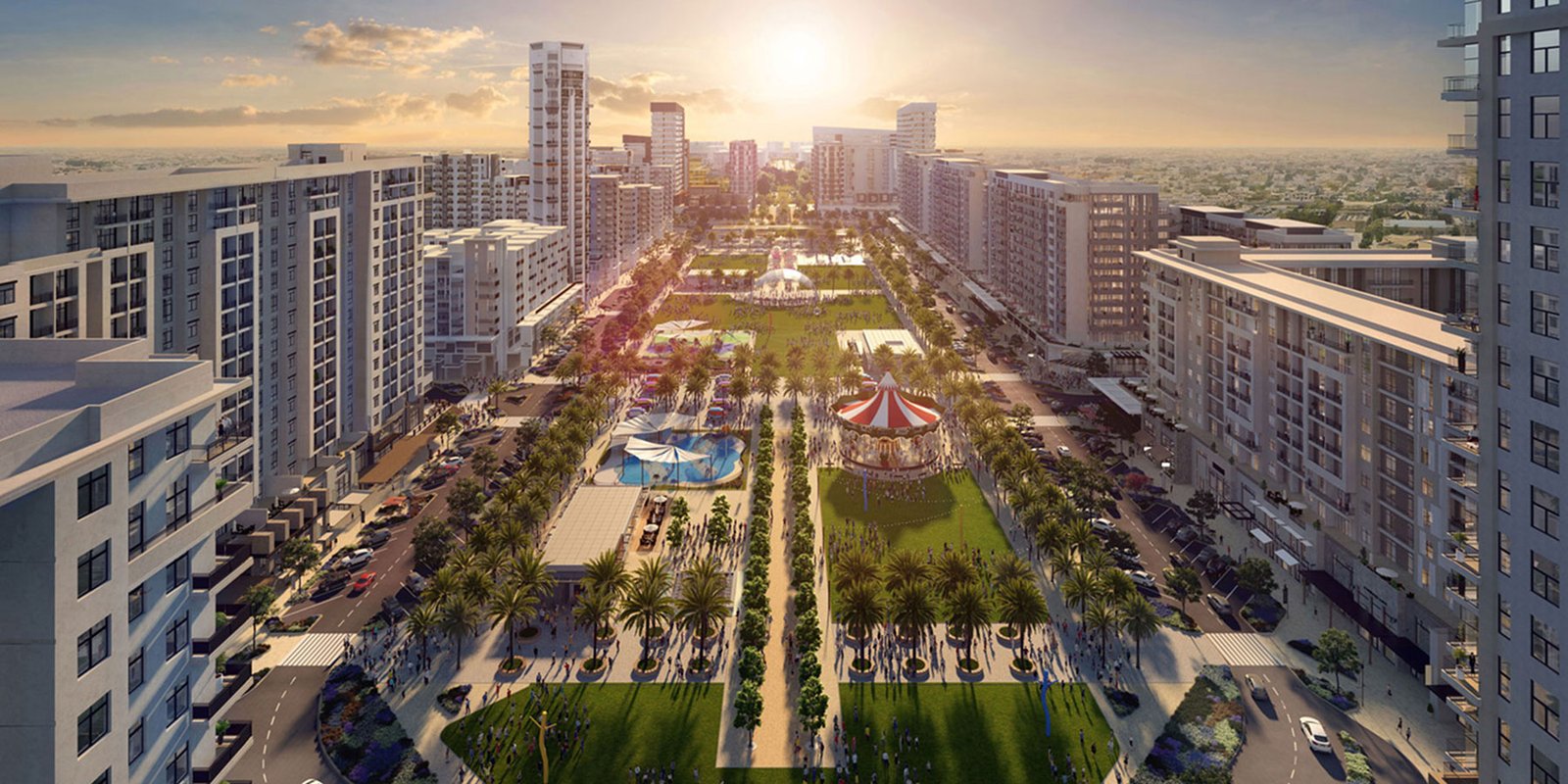
If you live in Dubai, you’ve probably seen the phrase “Dubai 2040” attached to everything from a new park to a metro extension to a property listing. It’s easy to file it under city-branding and move on.
It isn’t. The Dubai 2040 Urban Master Plan is the emirate’s seventh development plan since 1960, launched in March 2021, and it’s the document that decides where parks go, how far you’ll walk to a metro station, and how much of the coastline stays public. Most of the coverage frames it around investors. This one is about what it means if Dubai is simply where you live.
Dubai is planning for 5.8 million residents
The headline number is population. Dubai grew from roughly 40,000 people in 1960 to 3.3 million by 2020 — an eighty-fold increase in sixty years. Dubai 2040 master plan projects 5.8 million residents by 2040, with a daytime population of 7.8 million once commuters, tourists and business visitors are counted.
That distinction matters, and it’s where a lot of social-media posts get it wrong: 7.8 million is the daytime figure, not the resident count. Either way, the practical read is the same. Roughly two million more people will need homes, schools, clinics and a way to get to work — and the plan’s job is to make that fit without the city simply sprawling further into the desert.
Land use shifts accordingly. Land allocated to education and healthcare facilities rises 25 per cent. Land for hotels and tourism activity increases 134 per cent, and commercial land expands to 168 square kilometres.
Five urban centres instead of one downtown
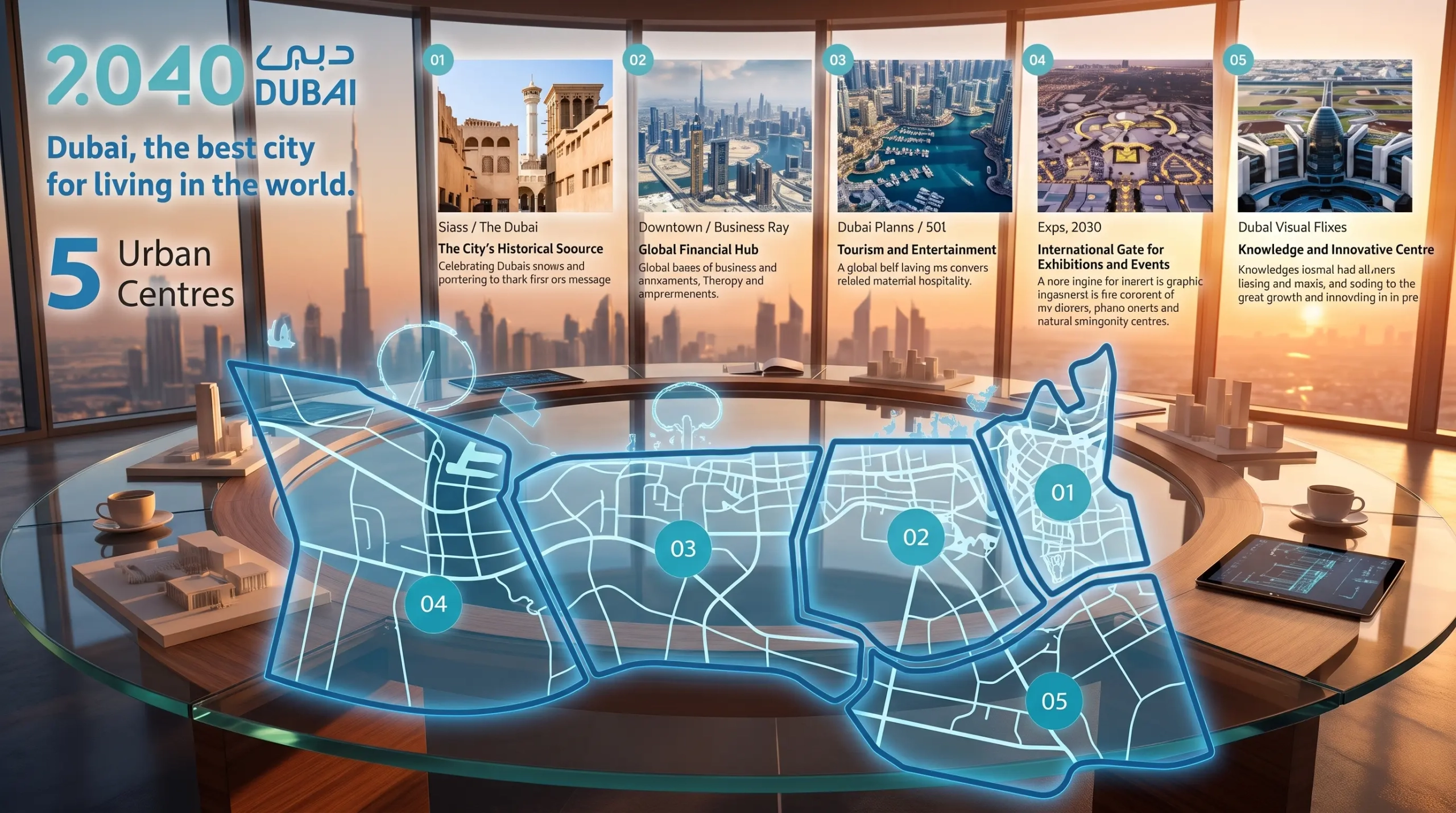
Rather than pushing everything through a single core, the plan concentrates development around five urban centres — three that already exist and two new ones. Each gets a defined role:
- Deira and Bur Dubai — celebrating the city’s history and heritage, with the older neighbourhoods restored rather than replaced.
- Downtown and Business Bay — the financial and business hub, taking in DIFC, Sheikh Zayed Road and Business Bay.
- Dubai Marina and JBR — tourism, leisure and hospitality, anchored on the waterfront.
- Expo 2020 Centre — built around exhibitions, global events and logistics, on the Expo City site.
- Dubai Silicon Oasis Centre — the knowledge and innovation district, aimed at tech talent and research.
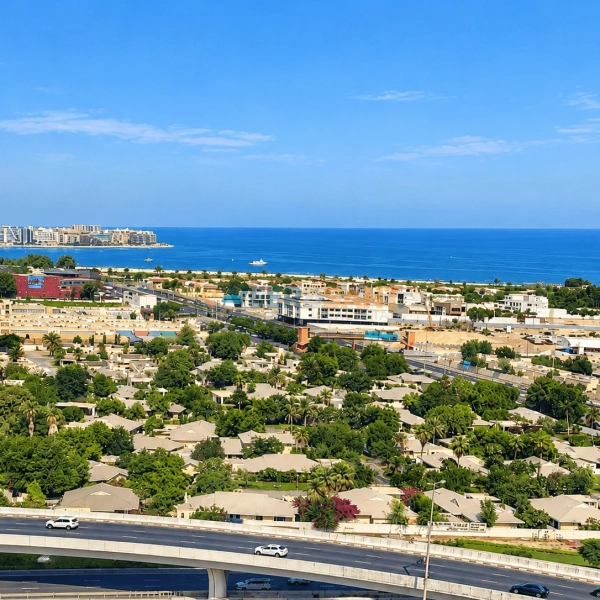
For residents, the effect is decentralisation. If you live in Dubai South or Silicon Oasis, more of what you need — work, schools, clinics, retail — should exist near you instead of forty minutes up Sheikh Zayed Road. That’s the single change most likely to alter daily life.
Green space doubles
The plan commits to doubling green and recreational space, including areas set aside for public parks. Beyond the built-up city, nature reserves and rural natural areas are to make up 60 per cent of the emirate’s total land area.
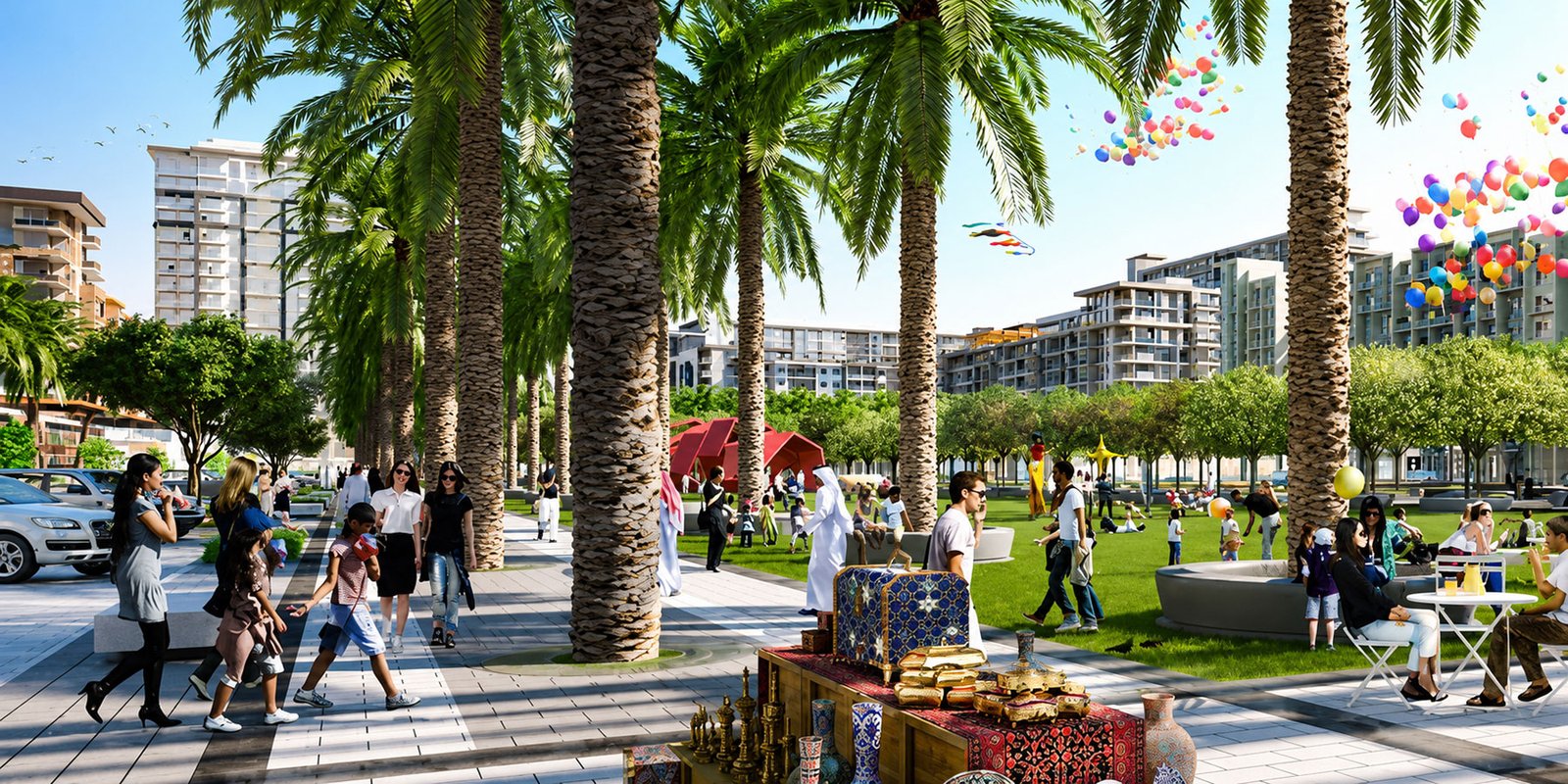
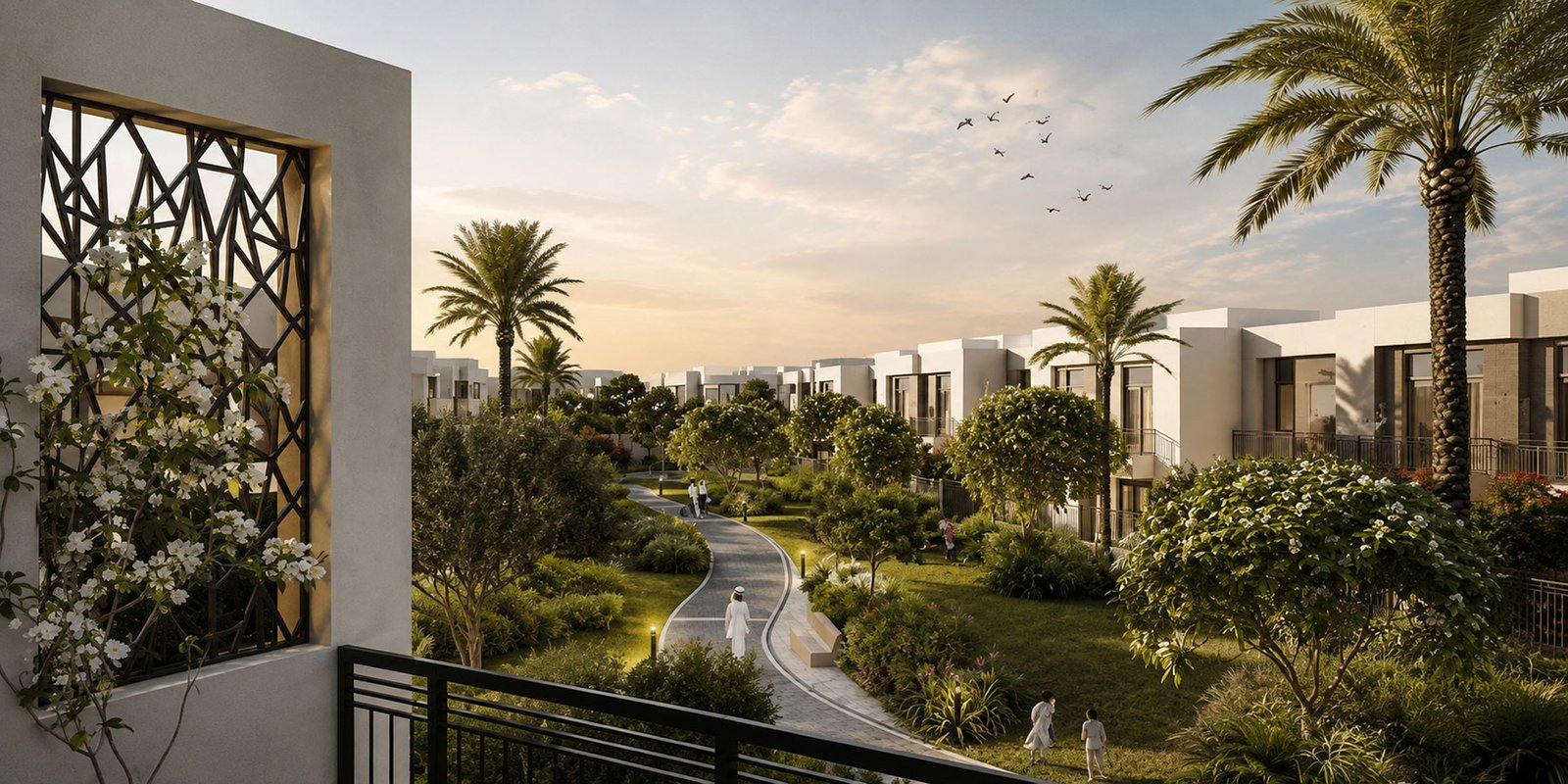
Green corridors are the connective piece: shaded, planted routes linking residential areas to workplaces and services, designed so walking and cycling between them is realistic rather than theoretical. Anyone who has tried to walk half a kilometre in August knows why shade and planting are treated as infrastructure here, not decoration.
Worth flagging: some viral posts claim Dubai will be “400 per cent greener.” The official target is doubling green and recreational areas. The 400 per cent figure belongs to beaches.
Four times the public beach
The length of public beaches is set to increase by 400 per cent. This is arguably the most concrete quality-of-life commitment in the whole document, because beach access in Dubai has historically been uneven — long stretches of coast sit behind hotels and private developments.
Quadrupling public beachfront changes the weekend for a lot of households, particularly families who don’t want to buy a day pass to sit on sand. Projects like the Dubai Islands beaches and the expanded Jumeirah public beach stretches are early examples of the direction.
Getting around without a car
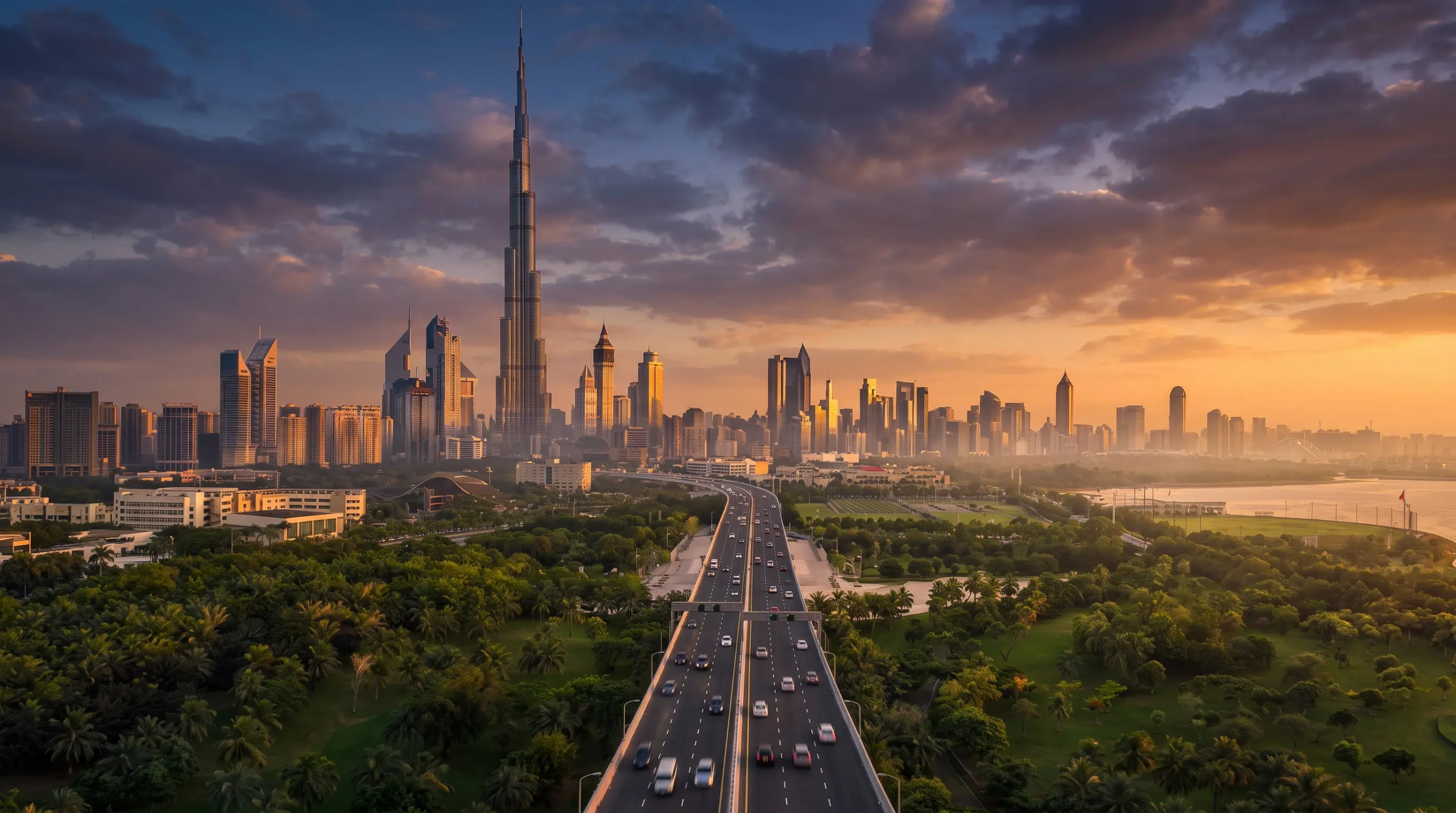
The mobility target is that more than half of Dubai’s population will live within 800 metres — a ten-minute walk — of a public transport station. The plan explicitly prioritises mass transit, walking, cycling and flexible mobility over private cars.
You can already see the groundwork: the Metro Blue Line, expanding cycle-track networks, and the pedestrian bridges and shaded walkways appearing around existing stations. For a resident, the honest version of this promise isn’t “Dubai becomes car-free.” It’s that a household might realistically drop from two cars to one — which, given insurance, parking and Salik, is a meaningful monthly number.
What this means for you, practically
- If you’re renting — Neighbourhoods inside or adjacent to the five urban centres, and those near planned transit, are where amenities land first. Worth checking before you sign a two-year lease.
- If you’re buying — Proximity to a current or planned metro station is becoming a durable value driver, not a nice-to-have. Verify station plans against RTA announcements rather than a brochure map.
- If you have kids — The 25 per cent increase in land for schools and health facilities is aimed squarely at the parts of the city that grew faster than their services did.
- If you’re just here for the life — Doubled parks, quadrupled public beach and green corridors are the parts of this plan you’ll actually feel, and the parts that arrive incrementally rather than on one launch date.
The reasonable caveat
A twenty-year master plan is a direction of travel, not a guarantee. Timelines move, phases get re-sequenced, and some targets will land late or in modified form. The useful way to read Dubai 2040 is as a statement of priorities — greener, more walkable, more decentralised, more coastline open to the public — against which you can measure what actually gets built.
On that measure, the first five years have produced visible results. Which is more than most twenty-year urban plans can say.
Thinking about buying in Dubai?
At Veer & Sant, we look beyond the brochure.
We help buyers and investors evaluate Dubai property based on the things that actually matter: location, infrastructure, future development, rental demand, liquidity and long term potential.
If you’re considering buying in Dubai and want to understand which communities make sense for your budget and goals, take a look at veersant.com or get in touch with our team.
Don’t just buy what Dubai is building today. Understand what Dubai is becoming.